The vocation of healthcare workers: Service and closeness to the sick
By Brother Hubert Kufwakuziku, SJ
In this year 2025, when the Church celebrates the Jubilee of Hope, 5-6 April have been designated as days when the Church thinks about and celebrates with the sick and with those who care for them, that is, the nurses or the healthcare workers.
For me, as a Jesuit and a nurse, thisJubilee gives me more dynamism and hope to live out my mission with my sick Jesuit companions more fully. I am a Jesuit brother with a background in nursing, and I have devoted my entire life in the Society of Jesus to being closer to those who suffer in body and soul. I worked for five years as head of the Jesuit infirmary in Kinshasa and five years as head of nursing at the Jesuit hospital in the Djuma parish in the Democratic Republic of Congo (DRC).
This noble profession helps me to support people in the difficult health situations they face and, above all, to give them hope and reassurance that God loves them and will not abandon them despite their situation. I have witnessed firsthand the devastating effects of poverty and lack of access to healthcare in the communities I have served. Despite the challenges, I am continuously inspired by the resilience and strength of the patients I care for. Providing comfort and care to those in need brings me a sense of fulfillment and purpose that I could not find in any other profession.
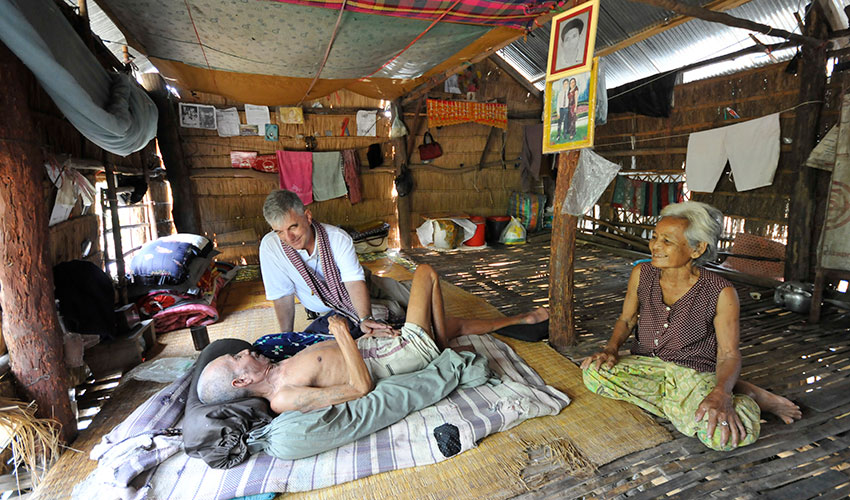
The healthcare profession requires that nurses be able to exercise their keen sense of observation and the ability to listen. They draw on their human and interpersonal skills (empathy, discretion, respect, honesty) to build a relationship of trust with the patient or the sick person, which encourages better dialogue in order to arrive at a better nursing diagnosis and an effective care process. Nursing comes with a lot of responsibilities towards patients and, in my case, a great responsibility towards the sick and/or elderly Jesuits at the infirmary at the Canisio, where I currently work.
In the context of this Jubilee, the Church shines the spotlight on the men and women (doctors, nurses, health workers, volunteers in the health sector, and pastoral health workers) who devote their lives to the sick, and also the sick themselves. The Church highlights the relationship of care, duty, service, and support that the healthcare workers have towards those they care for; in relation to the relationship of dependence that the sick have with healthcare workers. For example, during the COVID-19 pandemic, healthcare workers around the world worked tirelessly to care for those infected with the virus, putting themselves at risk to save lives. The sick individuals, in turn, relied on these healthcare workers for treatment, support, and comfort during their time of need. As Christians, we are to pray for healing and recovery of the sick, as well as those who care for them.
As a Jesuit, I do not see my work in the field of health care as a means of earning a living, but rather as a Christian calling – a vocation. Looking at my mission in this way, I find myself drawn towards even more compassion and attentiveness towards patients. I see my role as a healthcare worker not just as a job, but as a way to live out my faith and serve others in need. Beyond providing medical treatment, I also provide emotional and spiritual support to those under my care. By approaching my work with generosity and a sense of calling, I am able to truly make a difference in the lives of my patients.
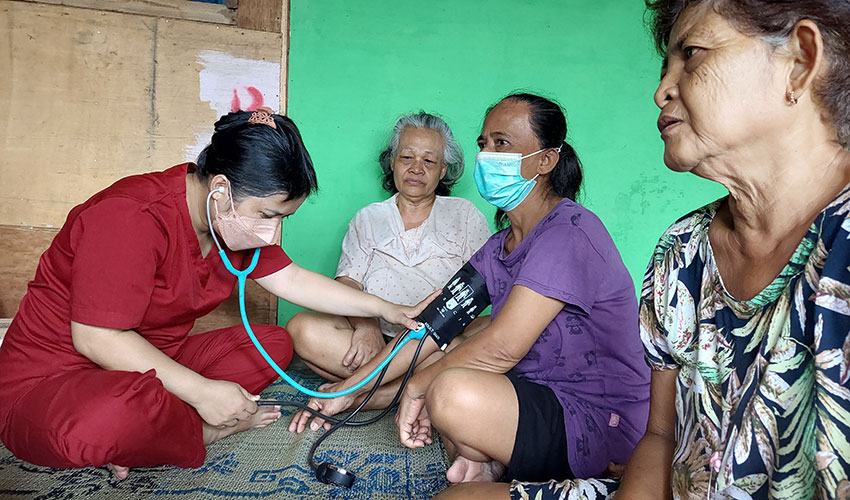
After my personal experience in our two infirmaries (Servico in Kinshasa, DRC, and Canisio in Rome) I am convinced that beyond accompanying the sick, nursing care must help them gain confidence and feel loved and valued in society. This is particularly true in the case of the incurably sick, who risk being written off as insurmountable burdens. Every individual deserves to feel respected and cared for, regardless of their health condition.
The responsibility we have as Christian caregivers revitalizes our faith in Christ and gives us hope to be alongside those who are desperate and discouraged by life because of concerns about their health. As we reflect on Jesus’ suffering on the cross during Lent, we can see the selfless act of Simon of Cyrene stepping in to help Jesus carry his Cross. This act of compassion and assistance mirrors the work of modern-day caregivers who provide support and aid to those in need.
The Jubilee of the sick and healthcare workers is a powerful reminder that the work of providing health services is valuable and impactful. It inspires individuals to embrace their role in providing care for others with renewed dedication and purpose, knowing that their efforts make a significant difference in the lives of those they serve. This sense of hope can fuel caregivers to continue their work with compassion and love, truly embodying the spirit of Lent during this Jubilee when we are called to become pilgrims of hope.
Related Posts:

The Caring for Community and Creation (CCC) project was initiated by the Jesuit Conference of Asia Pacific (JCAP) in 2022 to address poverty and ecology as identified in the JCAP apostolic plan. The project has three specific objectives, one of which is strengthening communities through...
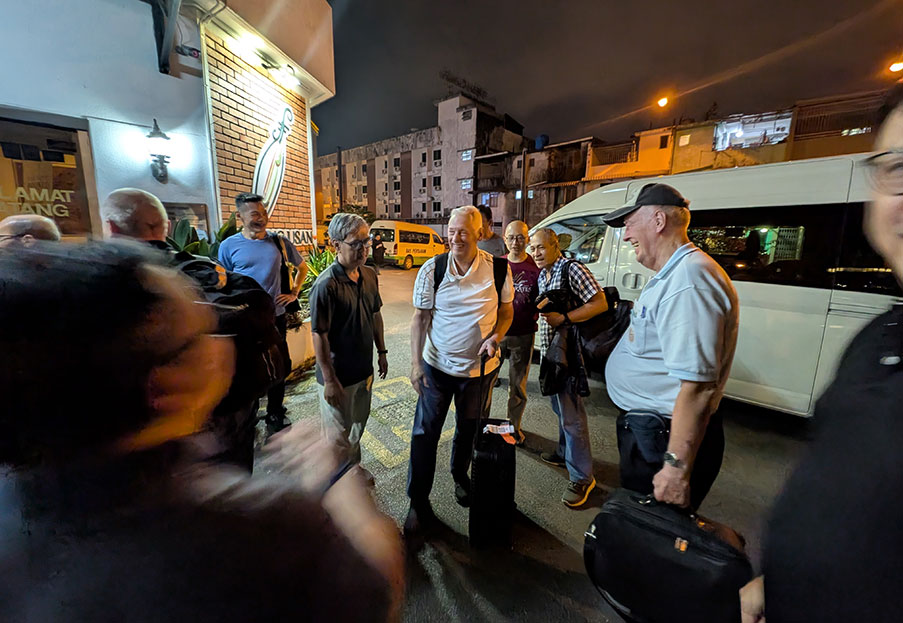
Fr Arturo Sosa, SJ, arrived in Kuching, Malaysia to begin his 5th apostolic visitation of the Jesuit Conference of Asia Pacific (JCAP). With a full schedule of meetings and travel between different Jesuit ministries and communities in Malaysia, Thailand and Indonesia...

The Paraquarensis Province was separated from that of Peru in 1604. It comprised the territories of the present-day states of Paraguay, Argentina, Uruguay, part of Bolivia, and, temporarily, Chile. One of the most notable ministries in this Province was the Guaraní reductions...
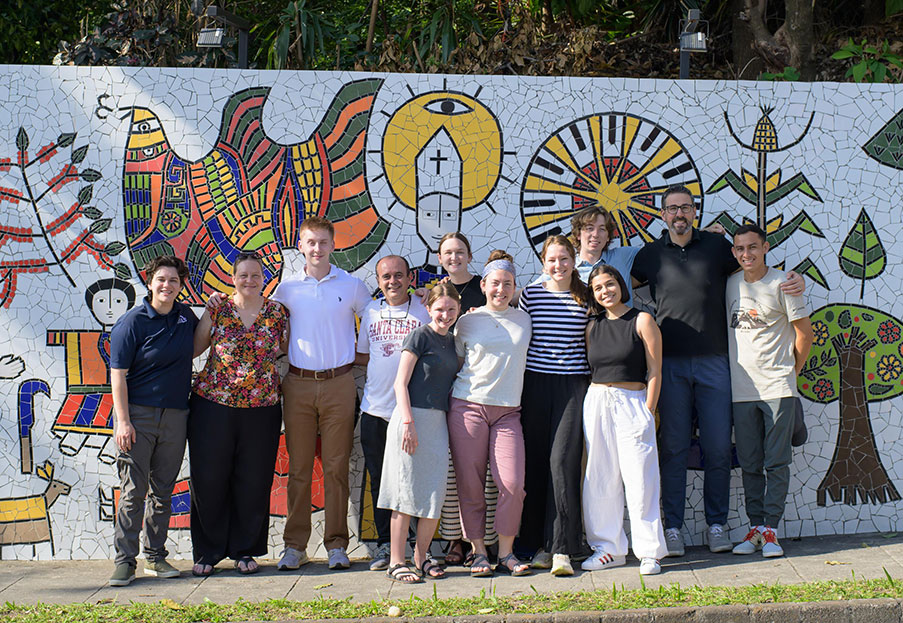
Launched at the 2018 IAJU Assembly, Magis Exchange offers students the chance to study across borders, cultures and academic contexts. It is more than an academic mobility program: it embodies a shared commitment to forming young people ready to engage thoughtfully...
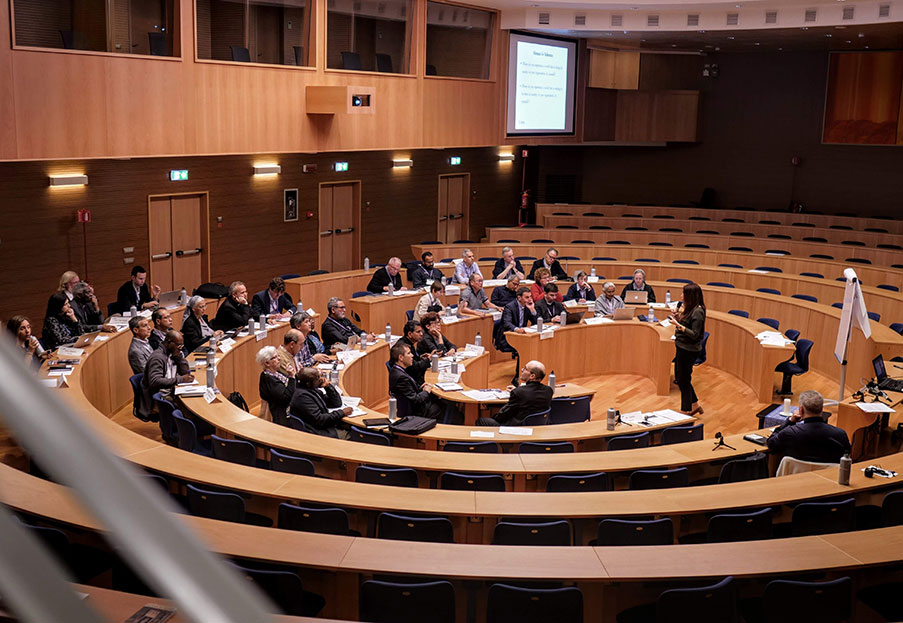
The Society of Jesus has designated Loyola University Chicago as the new home for the Discerning Leadership Program (DLP) which provides leadership formation, accompaniment and resources for senior Church leaders. Loyola University Chicago will henceforth steward...

When nearly one hundred facilitators of discernment gathered in Salamanca in late 2025, something more than a meeting took place. Convened at the desire of Fr Arturo Sosa, Superior General of the Society of Jesus, the Ignite the Way gathering set out to form facilitators for processes of communal discernment...