Following the land, the Creator embodied
By Trevor Scott, SJ; Greg Kennedy | Ignatius
Jesuit Centre, Guelph, Ontario, Province of Canada
[From “Jesuits 2024 - The Society of Jesus in the world”]
The Ignatius Jesuit Centre: The incarnation that enlightens and motivates an integrated engagement between regenerative agriculture, ecological restoration, and spiritual accompaniment.
The heart of eco-spirituality - The Incarnation
The heart of eco-spirituality is our Creator’s own incarnation into our created existence... God taking on our flesh. Pondering this great mystery of creation, the existence of our earthly lives is rooted in the soil beneath our feet – the womb of all our food that sustains us. With the help of our prayerful imaginations, we can witness how God has literally and mysteriously become earth... for us. To touch the Earth is to feel the Creator tangibly present.
Witnessing this deepened Incarnational mystery of the world around us can help deepen our response to Jesus’ invitation, “Follow me” ... especially today upon a planet of decreasing natural abundance and fruitfulness. For those with ears to hear, the soil itself now speaks through Jesus. The land is asking us to leave behind our deadly nets, those former ways of domination, control, greed, and fear. The land is saying “follow me” to life.
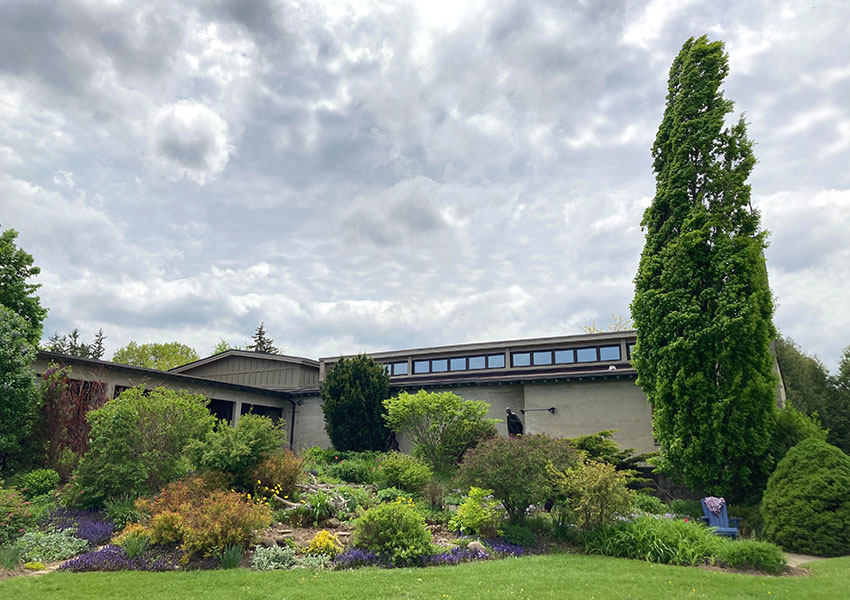
Ignatius Jesuit Centre - Cultivating spiritual depth and ecological engagement
Ignatius the pilgrim put his whole strength and spirit into following Jesus. The Ignatius Jesuit Centre (IJC) in Guelph, Canada, continues this pilgrimage not to the land where Jesus walked, but rather towards the land that Jesus was. In its three chief ministries of regenerative agriculture, ecological restoration, and spiritual direction, the Centre has grown increasingly aware of its responsibility and need to follow, rather than lead, the land. Its mission states this awareness clearly: “IJC cultivates spiritual depth and ecological engagement.” The Centre follows the truth of the Incarnation: that the human spirit only really grows when deeply rooted in the nature of reality, and the reality of nature.
Ignatius Farm and other ecological projects
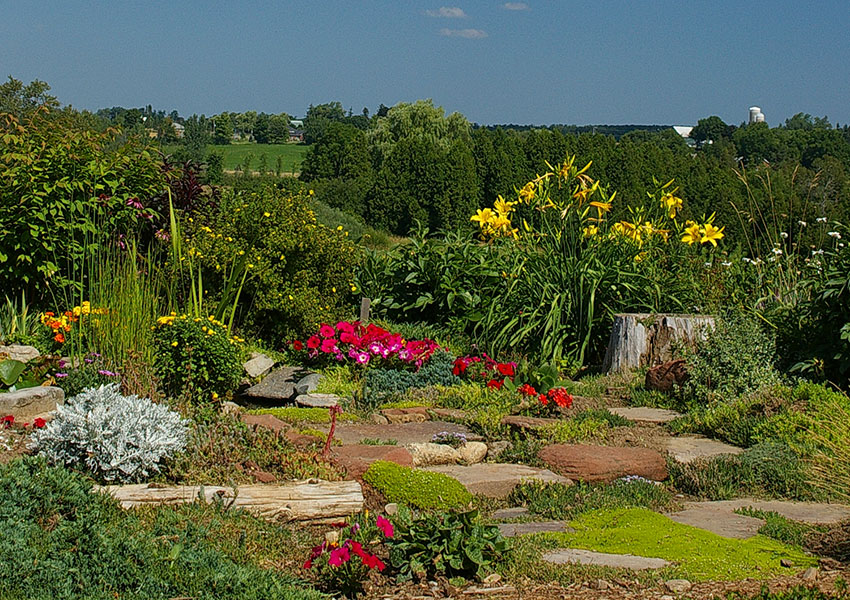
For more than a century, Jesuits have farmed about half of the 240 hectares that comprise IJC. Since 2001, all food grown on Ignatius Farm is certified organic. Following the land agriculturally means giving it rest and nurture through cycles of fallowness and cover crops to enhance the fertility of the soil without pesticides or chemical fertilizers. A community-shared agriculture (CSA) project now grows over 60 varieties of fruits and vegetables. People can buy a share of the farm’s harvest and pick up their food in a variety of locations from late spring to early winter. Farm volunteers can also receive a share, which enables those on lower incomes to enjoy healthy, organic food. A vast quilt of community gardens provides a place for 275 local households to grow their own food. The farm also offers a seven-month internship for new farmers interested in organic food production.
Other projects participate in the ecological mission of the centre. The Old-Growth Forest Project is creating a 38-hectare sanctuary of wetlands, meadows, forests, and waterways along the banks of Marden Creek and the Speed River which is protected in perpetuity by a conservation easement. Marden Creek has become a kind of living icon for following the land, as it slowly settles again into its narrow, natural course after nearly two centuries of confinement and bloated stagnation. Here to follow the land is also to attend to the freedom of its waters.
Cultivating spiritual depth
At the heart of the Ignatius Jesuit Centre is Loyola House, a retreat centre that has been offering spirituality programmes since 1964. The late Canadian Jesuit Jim Profit sought to adapt Ignatius’ Spiritual Exercises to incorporate a more explicitly ecological perspective. An agronomist by training and a gentle prophet by temperament, Jim was also instrumental in founding the Old Growth Forest Project and converting the farm to organic production. Today, most of the house’s retreats and training programmes help participants build a deeper connection with creation. It now offers a number of land-based retreats, explicit on biology and implicit on theology, convinced that wonder itself is a grace open to people of any faith or none.
Following the land at Loyola House means recognizing it as one of the best spiritual directors around. Retreatants are constantly encouraged to spend as much time as possible in the forests and fields. Some direction sessions even occur on IJC’s vast trail network because there the director naturally “allows the Creator to deal immediately with the creature and the creature with its Creator and Lord,” as Ignatius counsels in the Exercises. Together, with the gardeners, farmers, volunteers, hikers, skiers, and ecological restorers, all those here engaging the land are growing spiritually, for the land is, by the mystery of the Incarnation, the body of God become human.
Photos: Trevor Scott, SJ

Related Posts:

In an effort to strengthen global collaboration and advocacy across regions, the Global Ignatian Advocacy Network (GIAN) – an apostolic platform of collaboration animated and coordinated by the Social Justice and Ecology Secretariat of the Society of Jesus (SJES) – has launched...
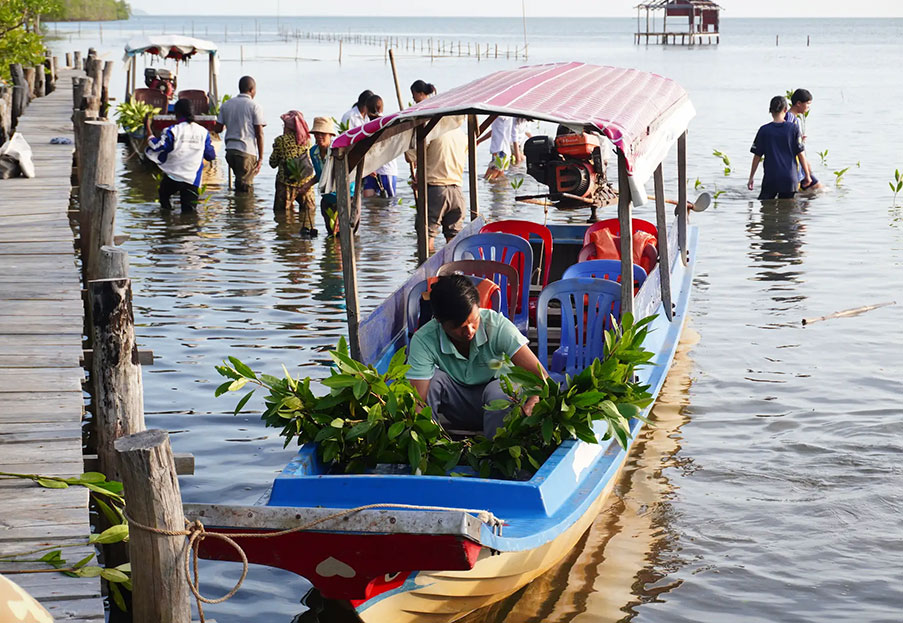
The Caring for Community and Creation (CCC) project was initiated by the Jesuit Conference of Asia Pacific (JCAP) in 2022 to address poverty and ecology as identified in the JCAP apostolic plan. The project has three specific objectives, one of which is strengthening communities through...

Pope Francis raised climate change to global consciousness as the defining moral issue of our time. As a result, the Church has become a global voice urging political accountability and personal responsibility for healing the planet. Building on his legacy, Pope Leo vigorously calls for urgent climate action...
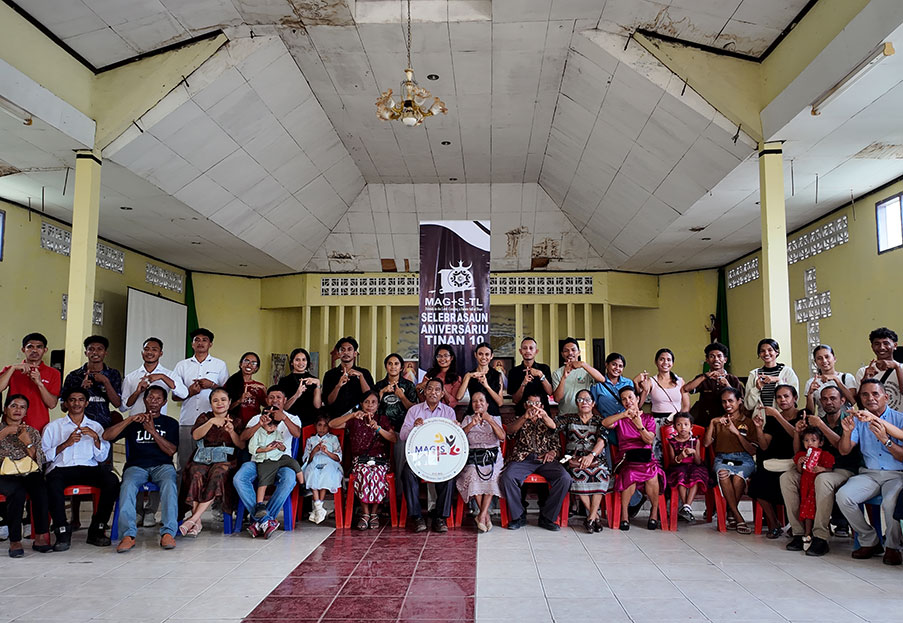
For ten years, MAG+S Timor-Leste has been quietly accompanying young people. In our small community shaped by friendship, prayer, and service, many young people have encountered the richness of Ignatian spirituality and discovered a deeper relationship with God...

The annual meeting of Eco-Jesuit delegates in South Asia, held at Inigo Bhawan in Matigara, Darjeeling, became much more than a routine gathering. Set against the fragile ecology of the Eastern Himalayas, the meeting turned into a moment of discernment on the future...

The Social Justice and Ecology Secretariat (SJES) of the Society of Jesus has released its 2025 Annual Report, “The Promotion of Justice is Fueled by Hope”. The report details regional milestones at the conference level, the results of global advocacy, and its commitment to the mission of...