The Ignatian Solidarity Network’s 20-Year Journey
In 1989, on the evening of 15 November, soldiers belonging to an elite Salvadorian military unit entered the campus of the University of Central America (UCA) with orders to silence the Jesuits. In the residence the soldiers found 6 Jesuits – Ignacio Ellacuría, Ignacio Martín-Baró, Segundo Montes, Juan Ramón Moreno, Joaquín López y López, Armando López – and two laywomen – housekeeper Elba Ramos and her 16-year-old daughter Celina. Early in the morning of 16 November, the soldiers dragged them from their rooms and executed them in cold blood.
The Jesuits were targeted due to their efforts to peacefully resolve the conflict between the Salvadoran government and the Farabundo Martí National Liberation Front (FMLN) - a bloody civil war that spanned 12 years and killed or made disappear more than 83,000 mostly poor people. The mastermind of the murders, Colonel Inocente Montano, Vice-Minister for Public Security, intended not only to kill the messengers of peace, but also to intimidate others who might advocate for the poor and marginalized in El Salvador. Montano thought that the murders of the UCA Jesuits, which the soldiers tried to blame on the FMLN, would permanently silence the cries for justice.
They were wrong.
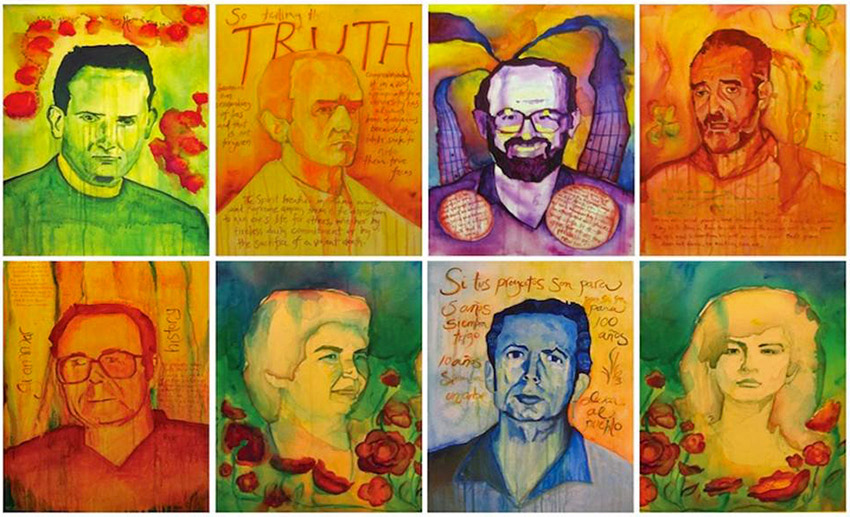
Thirty-five years after the murders of the UCA 8, their story has inspired the greatest push for Social Justice in the history of the Church. As news of the murders spread, the international community was outraged, with each new detail peeling back the layers of the conspiracy. Ironically, the murders led to the international scrutiny that Colonel Montano and his co-conspirators thought they were preventing. The deaths of the UCA martyrs became a focal point for social justice that exposed human rights violations across the region, and an incubator for a new generation of ministries that advocated for the poor and oppressed.
One of the ministries that emerged from that incubator was the Ignatian Solidarity Network (ISN). Founded in 2004, ISN promotes social justice through the lens of Ignatian Spirituality: the collective wisdom of the founder of the Society of Jesus, St Ignatius of Loyola. ISN’s mission is to network, educate, advocate for social justice and to form those with a passion for social justice. Since its inception, ISN has collaborated with Catholic universities, high schools, and parishes who have established programs serving the poor and the underrepresented.
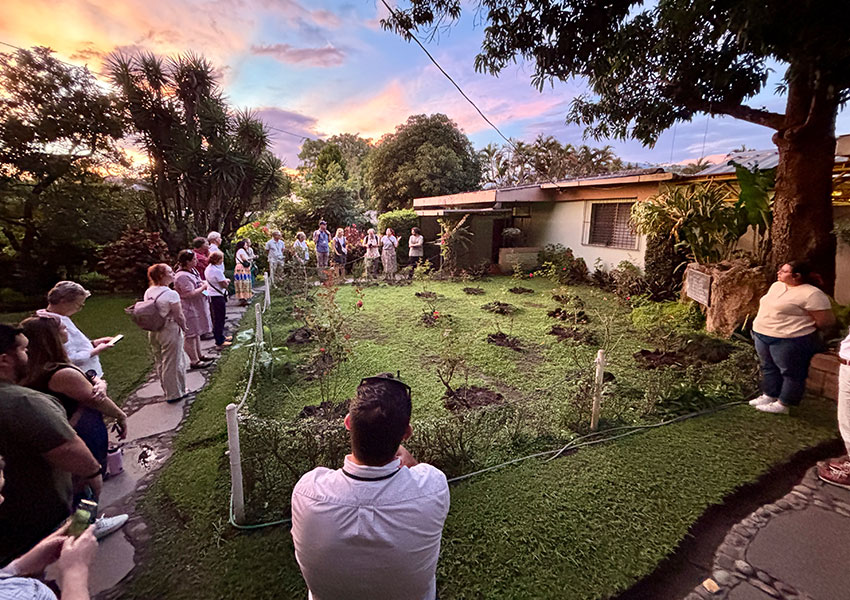
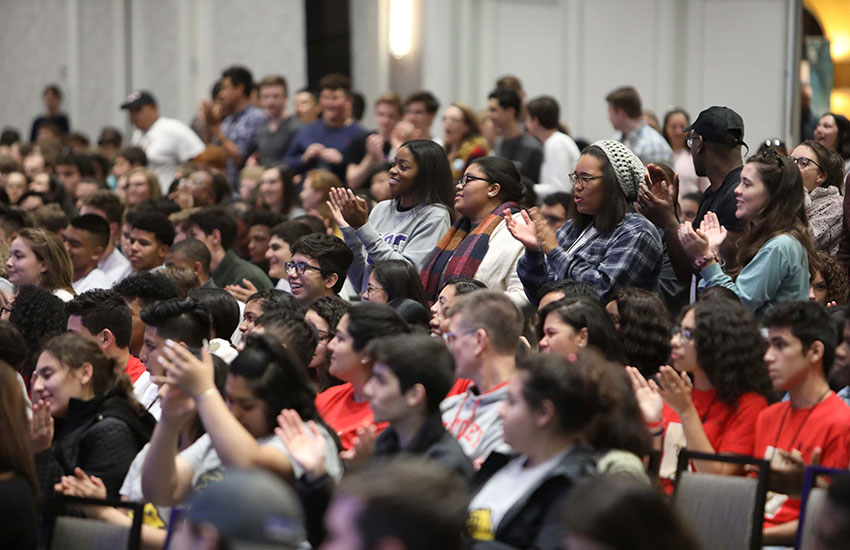
From the “Ignatian Family Teach-In for Justice” that takes place each year in Washington DC, to the protests at the “US Army School of the Americas” Fort Benning in Georgia (where many of the murderers had trained), to a lengthy lists of educational campaigns and ministry events, ISN has animated generations of men and women who look at the violence perpetrated against the most vulnerable among us and say... “enough”.
It is in that historical context that the Society of Jesus celebrates 20 years of the ISN. Fr Arturo Sosa, Superior General of the Society of Jesus, sent a video greeting, encouraging ISN to continue its mission with boldness, while assuring them of the support of the Society. In the message, Fr General highlighted the ISN’s focus on collaboration and networking while encouraging a culture of inclusivity and cooperation. He also pointed at the ISN’s emphasis on addressing structures of exclusion, and the work done to invite young people into a transformative process that is rooted in Catholic Social thought in view of a more just and hopeful future.

Related Posts:

There is an ostensibly simple sign that hangs in the entryway of The Loyola School. It greets students and visitors alike as they step from the streets of Baltimore into what once was a string of rowhomes but now is a center for early learning and childhood development...

The USA Midwest Province’s use of solar energy began with schools and now reaches to the rooftops of a Jesuit residence and the Province office itself. About half of the Province office’s electricity comes from the 152 panels on the roof of the Chicago building...
On a cool Advent morning, nine members of the Jesuit Media Lab community – an initiative sponsored by the Jesuit Conference of Canada and the United States to gather and support creators inspired by the Ignatian tradition – met at Georgetown University in Washington, D.C., the oldest...
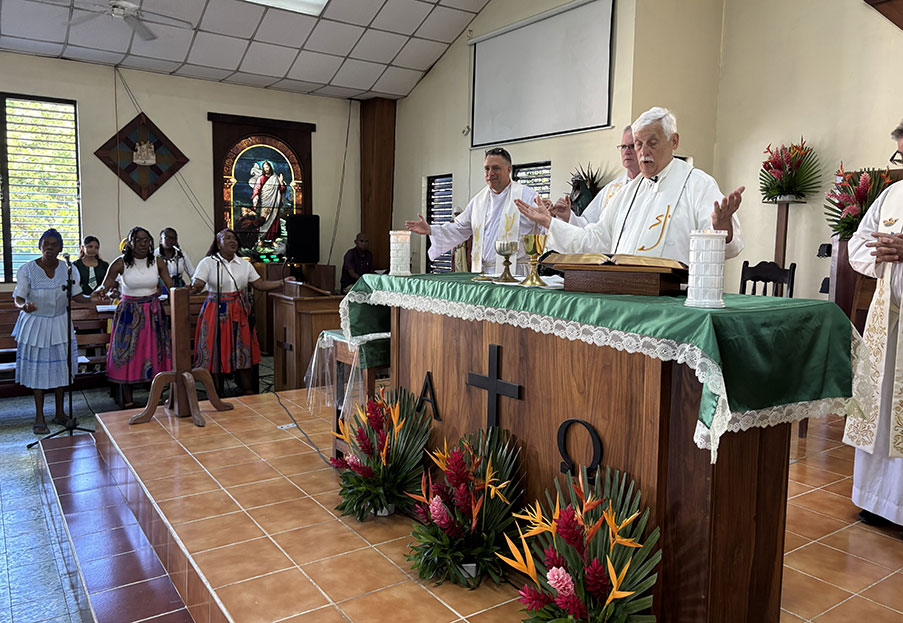
Fr Aric Serrano, SJ, is a Jesuit of the US Central and Southern Province. Born in Pecos, Texas, he was missioned to St. Peter Claver Parish in Punta Gorda, Belize after his ordination in 2023. He shares his reflection on the visit of Father General Arturo Sosa to the indigenous communities of southern Belize.
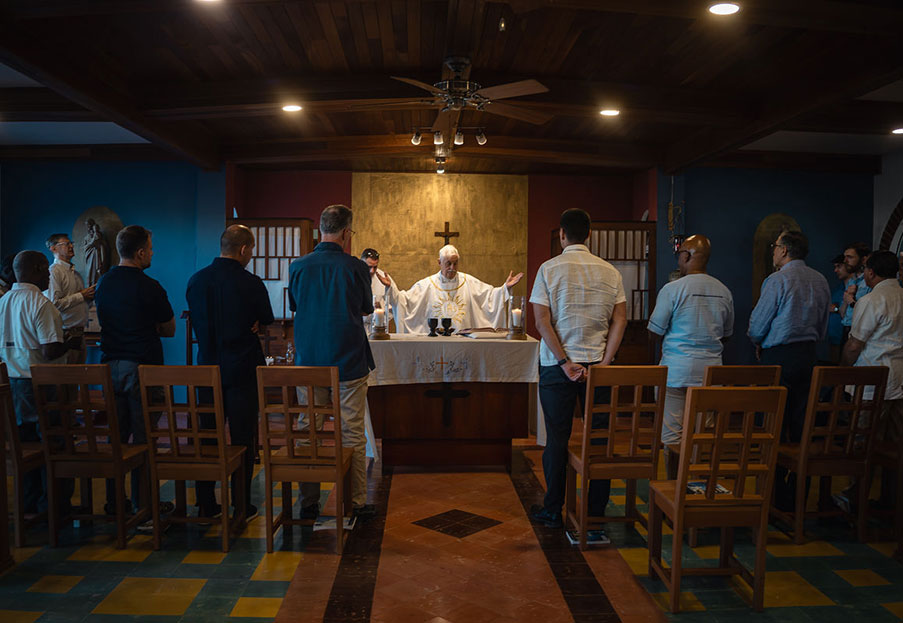
Fr General’s travels through the USA Central and Southern Province (UCS) continued with a visitation of Jesuit ministries in Belize. For 175 years, the Society of Jesus has been ministering to the people of the Central American country. The following is an excerpt of a brief history of the Society of Jesus in Belize...
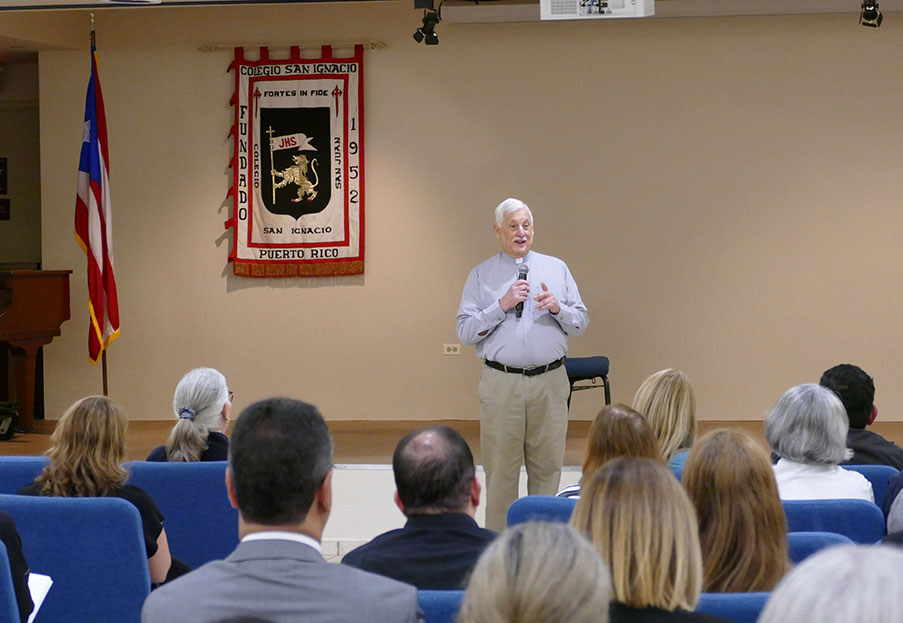
After touring Jesuit works in Denver, St. Louis, Houston, and New Orleans, Fr General Arturo Sosa landed in San Juan, Puerto Rico, to continue his official visitation of the Jesuit USA Central and Southern Province (UCS). His first stop was at the Centro Universitario Católico (CUC}...