From Poverty to Possibility – Father General visits the Roma Mission in Hungary
Fr Arturo Sosa visited one of the most deprived villages in Hungary, where the Jesuits from the Hungarian Province launched a mission five years ago. In Arló, NE Hungary, Hungarian and Roma people live together, daily facing poverty and situations of difficulty. The Jesuits and their collaborators working here are on a mission to show solidarity and provide support to these communities in need.
Since the closure of nearby industrial plants in the 1990s, the region of Arló has been in decline, with limited job opportunities and widespread poverty. Franciscan sisters have been serving the local community since 1994.
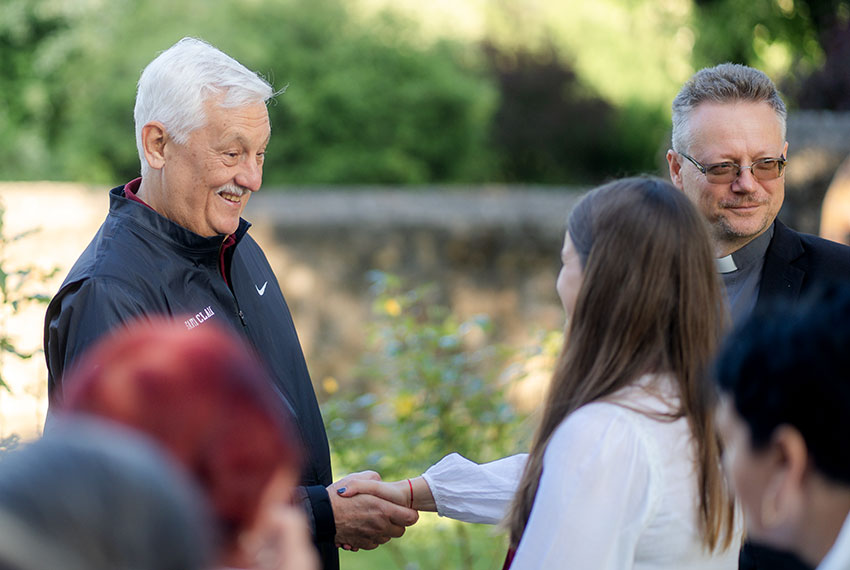
Seeing the difficulties in the village, the Jesuits decided not only to help with donations but also to establish their Roma mission to support the locals through solidarity and presence. The Jesuits arrived in the village in 2020 to work in cooperation with the Hungarian Charity Service of the Order of Malta to make essential services accessible. They also took over leadership of the local church and started to work in the local school as well.
The staff of the Jesuit Presence Program maintain regular contact with hundreds of locals. Every day, they offer assistance to families in need, organize mother-and-baby groups and kindergarten programs, and teach young people to dance, play music, and cook. In fact, a music group of Roma children has been formed and they are beginning to perform more and more frequently. They even performed for Father General Arturo Sosa, showcasing their first original composition about love.
Recently, the Jesuits launched a fundraising campaign because the village previously had no playground – something essential for healthy child development. Donations came in quickly, and the playground was built in the yard of the Jesuit Presence House. It was blessed by Father General.
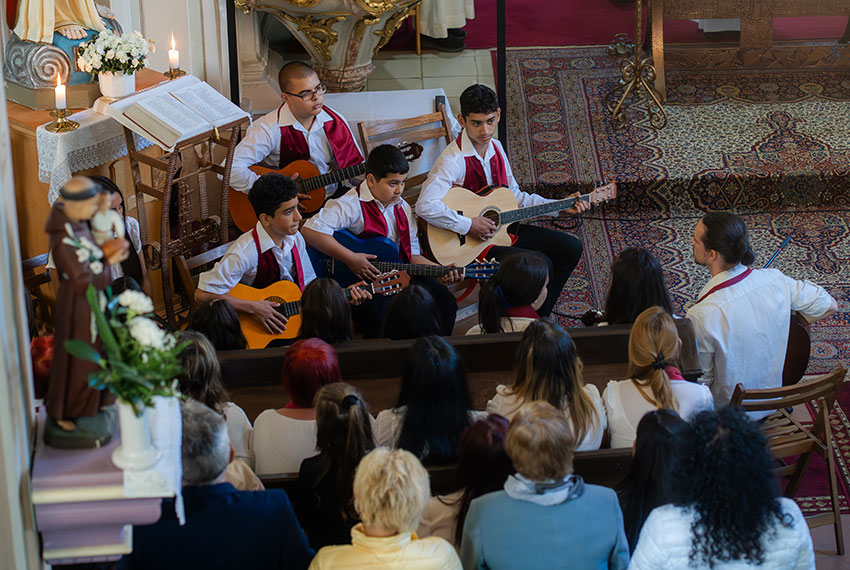
At the afternoon Eucharist celebrated in the church of Arló during Fr Sosa’s visit, a Romani Mass was performed by a choir and orchestra made up of local young people and women. The Mass was composed by Vera Simkó-Béres, a teacher at the Jesuit high school in Miskolc.
In his homily, Father General recalled the Gospel. The Apostle Peter asked how many times he must forgive. And Jesus responded with a parable about two servants of the king, the two debtors. After the king completely cancelled the first debtor’s enormous debt, that servant stubbornly and mercilessly continued to try to get his debtor to pay him. The king in the parable did not reproach the first servant for being greedy or evil. The only thing he reproaches him for is not following his example, not wanting to be in his image and likeness.
To answer the question of how many times we must forgive and to what extent we must be good, Fr Sosa noted that Jesus, through this parable, asks us: Who do you want to be like? Whom do you want to follow?



Related Posts:
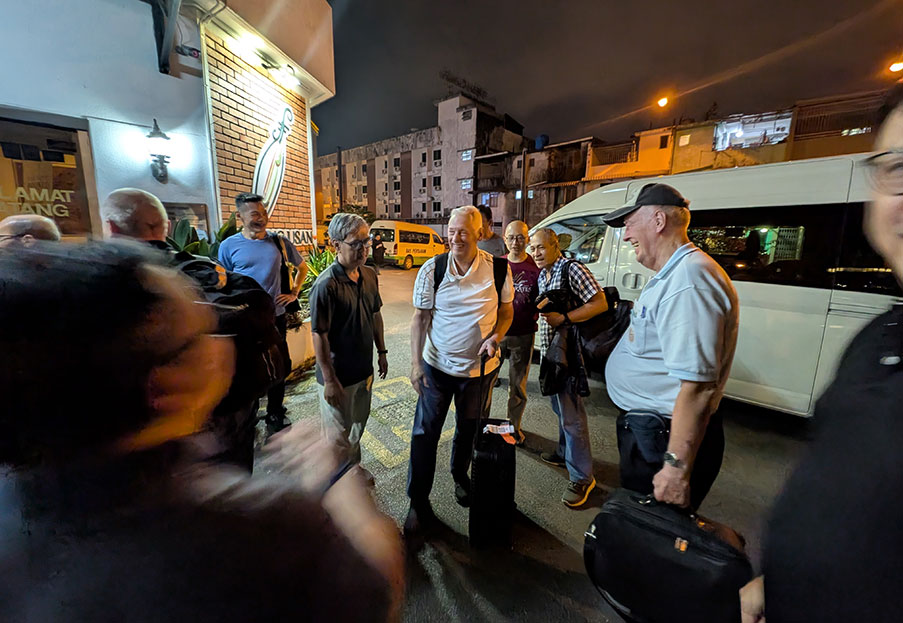
Fr Arturo Sosa, SJ, arrived in Kuching, Malaysia to begin his 5th apostolic visitation of the Jesuit Conference of Asia Pacific (JCAP). With a full schedule of meetings and travel between different Jesuit ministries and communities in Malaysia, Thailand and Indonesia...
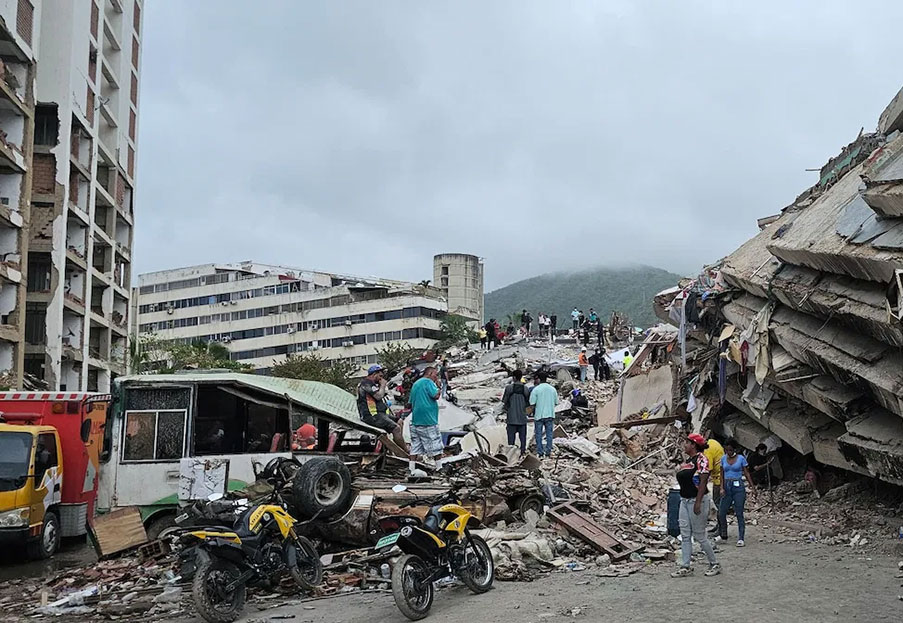
A series of powerful earthquakes have struck Venezuela on 24 June, causing widespread destruction across affected communities and leaving thousands of people in urgent need of assistance...
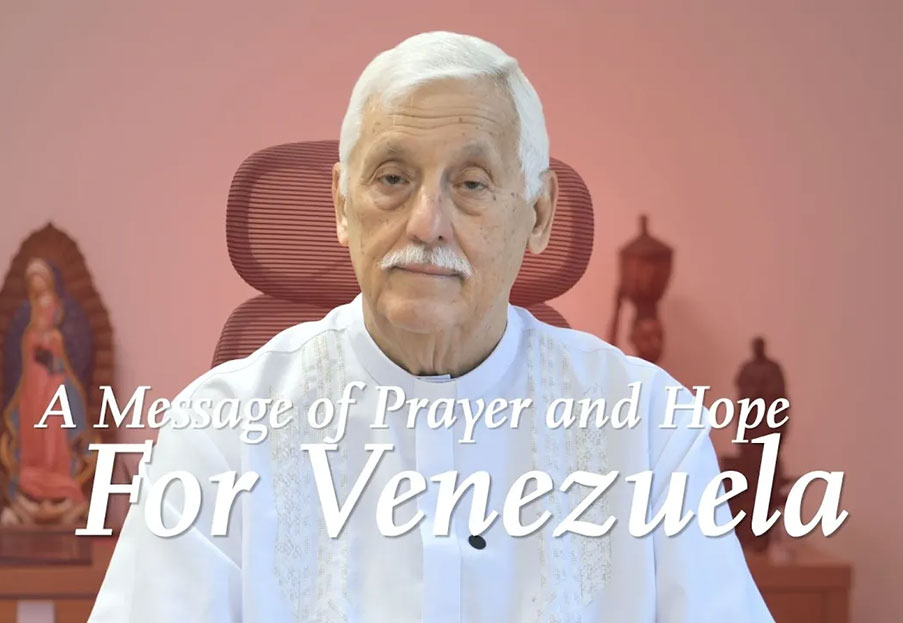
As Venezuela begins the difficult task of recovering after two strong earthquakes that claimed lives, left many missing and caused widespread destruction, Father General Arturo Sosa has sent a message of closeness and hope to the Venezuelan people.
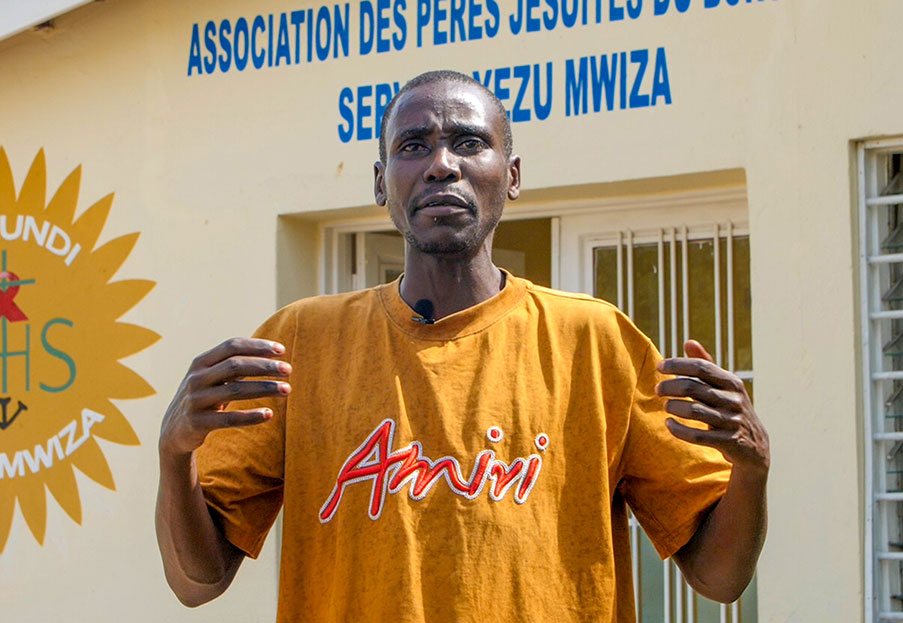
Service Yezu Mwiza (SYM) is a Christian, socio-medical organization dedicated to fighting HIV/AIDS, tuberculosis, and malaria, while promoting holistic healthcare and social justice. Founded in 2008, it operates as a prominent reference centre under the care of the Jesuits in Burundi...
As the Society of Jesus prepares for the II Congress JESEDU-Montreal 2027, a global process of review, discernment, and foresight is now underway. This initiative seeks to evaluate how the shared vision for Jesuit education has been implemented across the worldwide network of...
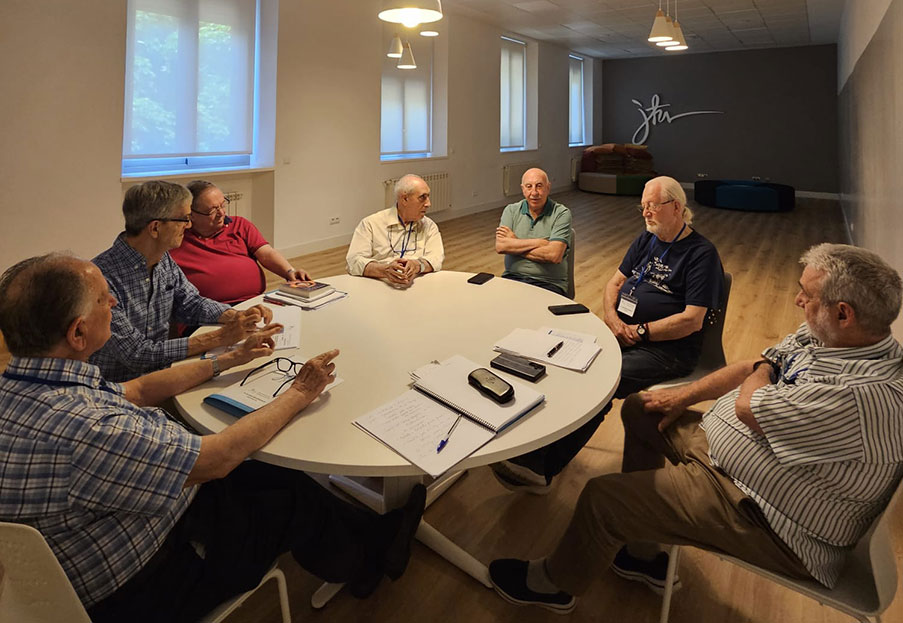
From 23 – 31 May, the Delegation for the Elderly of the Spanish Province organised the third edition of the formation course for elderly Jesuits at the Jesuit House in Salamanca. The program brought together 24 Jesuits aged between 70 and 85, with one or two participants in their 90s...