“We want to form men and women who are ready to take responsibility”
Jesuit universities in the Central European Province are celebrating their 100th anniversary
In German, people say that things that naturally belong together go together “like a pot and a lid”. That’s exactly how Jesuits and education fit. From the very beginning, theological and philosophical education have been a cornerstone of the Jesuit order – and it remains so today. In the Central European Province (ECE), Jesuits are committed to shaping the future of theology and philosophy at four central faculties and universities. During his visit to Germany, Father General Arturo Sosa stops at the two Jesuit institutions in Frankfurt and Munich. Both are celebrating their 100th anniversary.
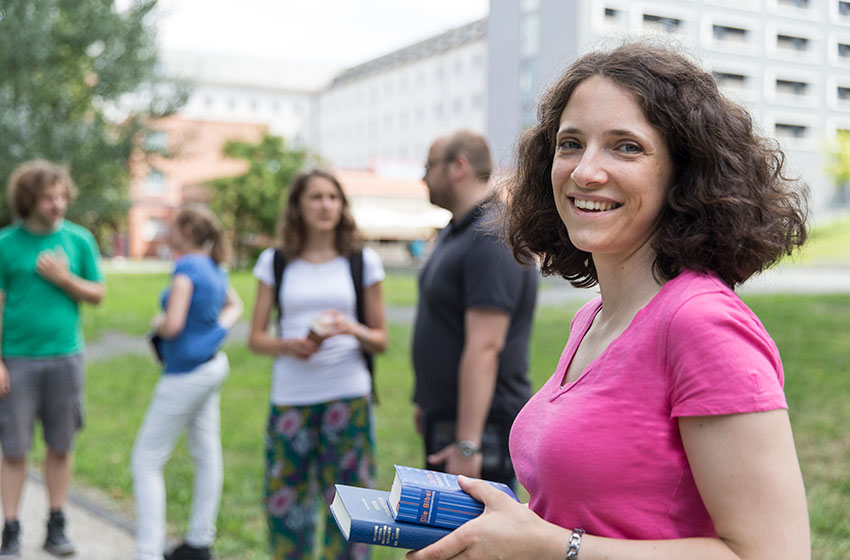
Ignatius of Loyola quickly understood that good education was essential – not only for young Jesuits but also for spreading the faith. Today, Jesuit educational work pursues an even broader goal. “We Jesuits are not only concerned with training church personnel”, says Fr Christian Rutishauser, former delegate for the universities of the ECE Province. “We want to form men and women who are ready to take responsibility in public life and civil society.”
Facing change in higher education
Fr Rutishauser is well aware of the current shifts in higher education. “University education is undergoing major changes”, he explains. “There are many reasons for this, including the declining role of theology and the Church in society. Still, existential and spiritual, theological and philosophical education remain central to our mission.”
A century of formation and faith
In this context, it’s remarkable that two Jesuit universities in the ECE Province are celebrating their centennials this year and next. Father General begins his visit in Frankfurt, where he opens the 100th anniversary celebrations of Sankt Georgen College. Founded in 1926 in Valkenburg, the Netherlands, due to political circumstances, the college moved to Frankfurt after World War II. Today, Sankt Georgen trains not only Jesuit novices and priests, but also students from across Germany and from the global Church. It serves as a key academic centre for several dioceses and prepares students for roles in the Church, academia, and society.
The Jesuit School of Philosophy in Munich has also seen change. Established in 1925 in Pullach outside Munich as an internal training centre for Jesuits, it relocated to downtown Munich in 1971. With the move came a new vision: The school opened its doors to all students. Its centennial is being celebrated throughout the year, with Father General’s visit as the highlight.
Beyond the classroom: A broader commitment to education
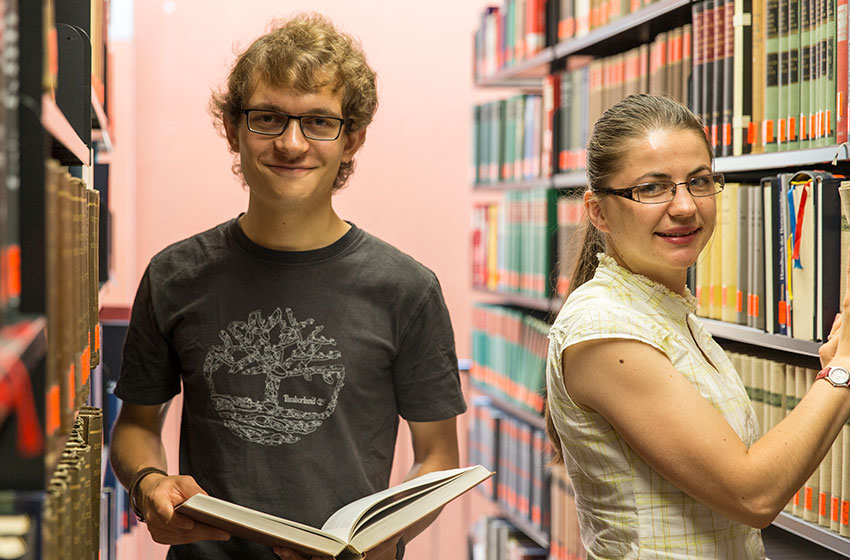
Jesuit commitment to higher education goes beyond their own institutions. Across their ministries, Jesuits support young people on their educational journeys, provide those on the margins of society, with online access to Jesuit Worldwide Learning at a higher education level; and teach theology at public universities. “We need personality development, value formation, and the ability to reflect and make sound judgments”, says Fr Rutishauser. “That’s essential for anyone taking on responsibility.”
According to the Jesuit approach to education, there is one thing that must never be overlooked: the individual. “Higher education isn’t just about academic qualifications or theological and philosophical reflection”, Fr Rutishauser emphasizes. “It’s also about shaping character and leadership.”

Related Posts:
The Society of Jesus in Thailand is relatively small, with 37 Jesuits concentrated in three communities serving four cities, but the history of the Jesuits in Thailand goes back centuries, to the time of Saint Francis Xavier and the first missions of the Society of Jesus to what was then called...
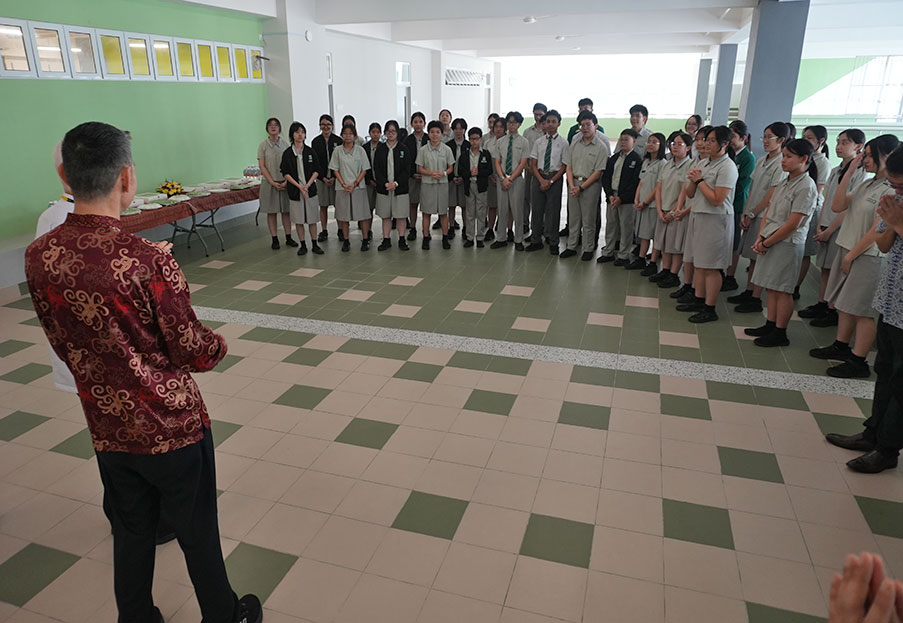
On a sunny mid-week day in Kuching, Fr General Sosa visited St. Joseph’s Private Secondary School (SJPS) where the Jesuits of the Malaysia-Singapore Region work as teachers and administrators. Currently, Fr Stanley Goh is the Rector, while Fr Francis Lim served as the first...
Fr Arturo Sosa, SJ, arrived in Kuching, Malaysia to begin his 5th apostolic visitation of the Jesuit Conference of Asia Pacific (JCAP). With a full schedule of meetings and travel between different Jesuit ministries and communities in Malaysia, Thailand and Indonesia...
Launched at the 2018 IAJU Assembly, Magis Exchange offers students the chance to study across borders, cultures and academic contexts. It is more than an academic mobility program: it embodies a shared commitment to forming young people ready to engage thoughtfully...
Excitement is building for MAGIS Korea 2027, the international gathering that will bring young people from across the Ignatian family to Korea ahead of World Youth Day in Seoul. A recent online information session, led by Fr Hakjoon Lorenzo, SJ, General coordinator of MAGIS Korea...
As Venezuela begins the difficult task of recovering after two strong earthquakes that claimed lives, left many missing and caused widespread destruction, Father General Arturo Sosa has sent a message of closeness and hope to the Venezuelan people.