“To Be Present is Already a Ministry”: The Jesuit Choice of Quiet Witness in Pakistan
By Br Peter Long and Roma Shamshad
After three years of being ad experimentum with the Jesuit Conference of Asia Pacific (JCAP), the Pakistan Jesuit Mission pauses to reflect on what it means to live and serve in this land. These years have not been easy. Pakistan is often described as an “arduous” place – socially, culturally, and even spiritually. Yet it is precisely here that the mission has learned to step beyond familiar boundaries, to live between caution and enterprise, and to engage a reality that is both demanding and full of grace.
Amidst these rugged realities a central question has always emerged: how do Jesuits move forward from here?
Looking back, the history of the Pakistan Jesuit Mission offers a response. It resembles a path patiently built, like stones laid one after another. Each generation has contributed something – often small, sometimes fragile, yet indispensable. These “stones” have formed a way forward, guiding those who follow it, into a mission where God is already present and at work.
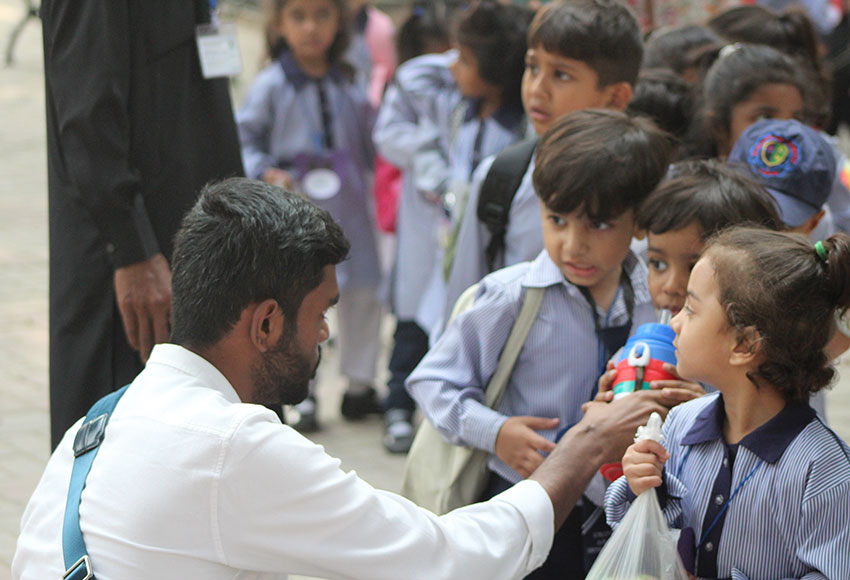
Scripture reminds us: “There is an appointed time for everything” (Eccl 3:1). The mission in Pakistan has unfolded in this spirit – step by step. Waiting patiently while persevering boldly in all, that the Lord calls the mission to accomplish.
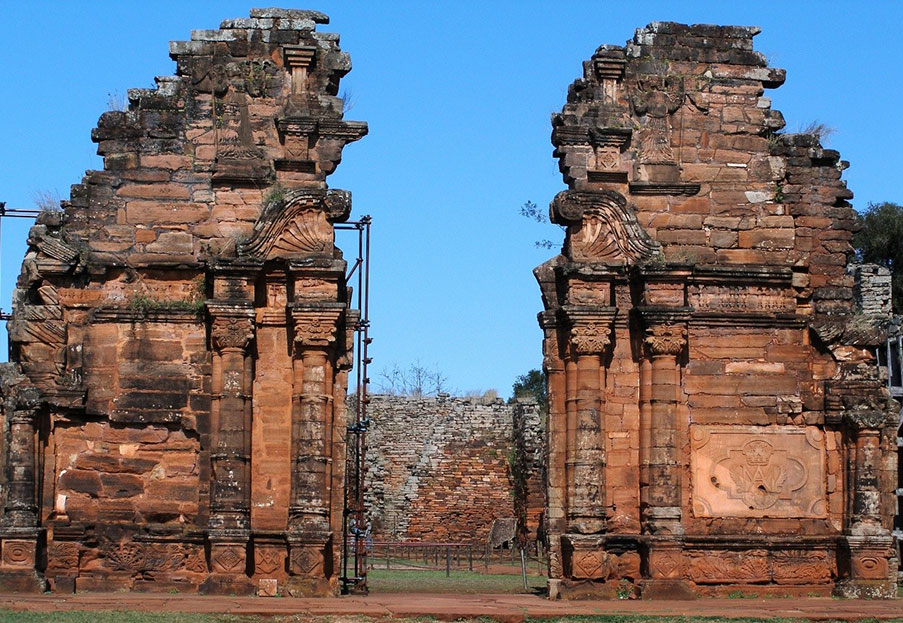
The first stone is obedience. In the late sixteenth century (1581) at the invitation of the Mughal Emperor Akbar, the Jesuits arrived at his royal court bringing with them ideas that were novel to this land. They entered into dialogue, shared knowledge, and expounded the Christian faith. In 1595, they built the first chapel in Lahore. Their mission was not only religious but intellectual, engaging deeply with the scholars of the time. Though they eventually withdrew for political reasons, their presence marked the beginning of a long and eventful journey that bore fruit in the centuries that followed.
The mission later took a new direction. By 1860 the Jesuits had moved south, serving as chaplains to the British soldiers and workers. Together with other congregations, they established communities in Sindh and Balochistan. They founded parishes, schools, and institutions such as St. Patrick’s High School, Karachi (1861). Education became central to their work, strengthening the Catholic community while responding to real social needs. They also addressed everyday struggles, such as alcoholism and gambling among soldiers, corruption, moral laxity and syncretism, by catechizing and promoting healthier ways of life. Even when they withdrew from Sindh and Baluchistan in 1935 returning to Bombay and Ahmedabad, the Jesuits left behind the foundational stone of ingenuity that continued to sustain the nascent Church.
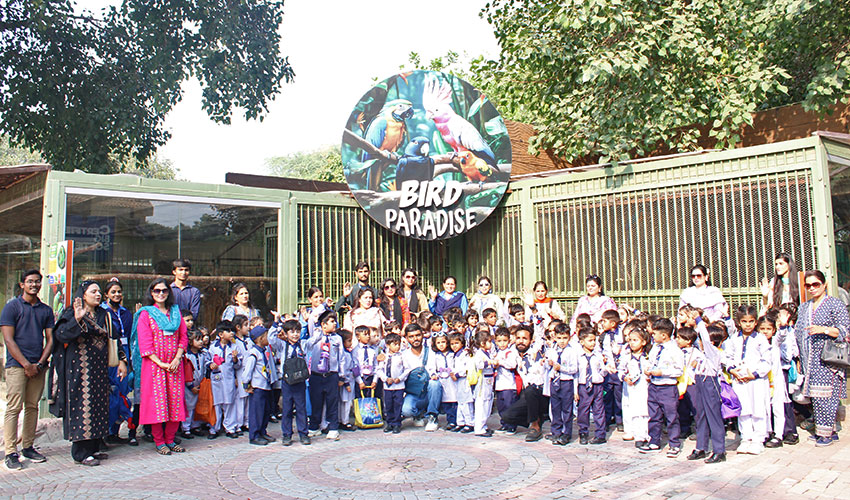
The next stone is courage. In the 1960s under the auspices of the South German Province, three Jesuits returned to Lahore to reignite the mission. They did not begin anew, but built upon what had already been laid. A significant expression of this was their commitment, especially of Fr Butler, SJ, to interreligious dialogue. By opening spaces such as libraries to people of all faiths, they chose to build bridges rather than walls. This courage did not erase differences, but it fostered deeper human understanding.
Alongside courage came creativity. When Jesuits reached the communities at the outskirts of Lahore, who were without schools; they chose to forge ahead despite the lack of infrastructure. Gathering children under a tree, they began to teach and instill the importance of education. This is how Jesuit education in Pakistan started: without structures or status, sustained only by a willingness to be present and to serve. In such simplicity, patience took root and grew.
From this emerged another stone: fidelity. Over time, different Jesuit Provinces supported the mission. The Australian Province contributed in the 1980s, followed by the Sri Lankan Province, which continued the work, especially in education and interreligious dialogue. More recently, in April 2023, the JCAP assumed responsibility for the mission. Each transition brought challenges, but also continuity. Despite changing circumstances, the commitment to serve in Pakistan has remained steady.
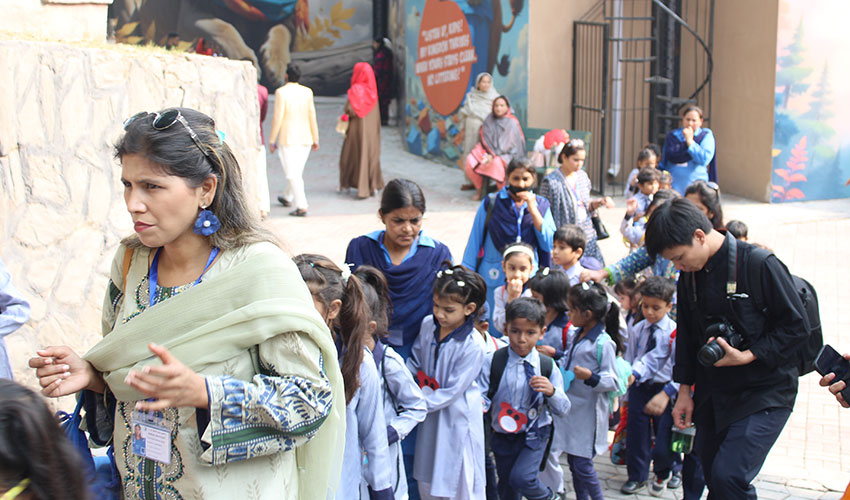
Through all these phases, one question has remained: what holds everything together?
The answer is simple, yet challenging: a presence that endures.
The Jesuit Mission in Pakistan has learned that what matters most is not what we do, but that we remain. Presence means living among the people, sharing their struggles, and building relationships over time. It means extending a hand and walking together. It is neither quick nor dramatic, but it is faithful.
As Scripture says: “God has made everything beautiful in its time” (Eccl 3:11).
These past three years have evidenced that the mission is not about quick success or visible results. It is about coming, staying, and continuing an unfinished work. Growth here is not only about moving forward or upward; it is also about going deeper – into the realities of the people, into the history of the land, and into the quiet ways God is already present.
In the end, the mission rests on a simple trust: “Everything God does will endure forever” (Eccl 3:14).
The Jesuit Mission Pakistan continues to listen, to respond, and to remain – step by step, stone by stone.

Related Posts:
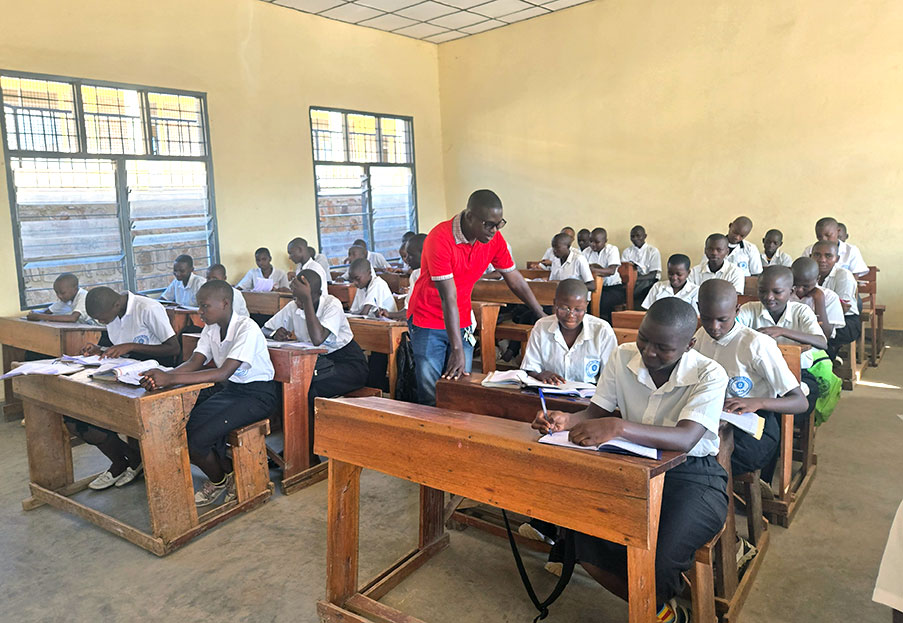
École Fondamentale Saint Louis de Gonzague was built to give every child space to be included, to live and learn alongside others, and to recognize their dignity as human beings. When the Jesuits founded the school in September 2004, in a region greatly affected by...
As the Society of Jesus prepares for the II Congress JESEDU-Montreal 2027, a global process of review, discernment, and foresight is now underway. This initiative seeks to evaluate how the shared vision for Jesuit education has been implemented across the worldwide network of...

The Secretary for Secondary and Pre-secondary Education, with great joy and gratitude, announces that Fr Hugo Gómez Sevilla, SJ, a Jesuit leader with a wealth of valuable international leadership experience building networks, pastoral sensitivity, and a deep commitment to Jesuit education...
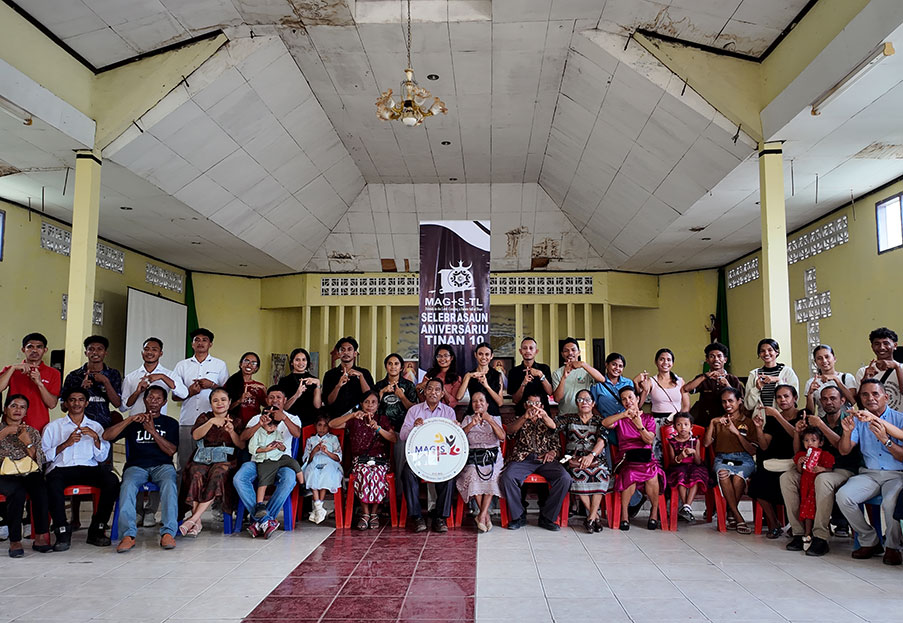
For ten years, MAG+S Timor-Leste has been quietly accompanying young people. In our small community shaped by friendship, prayer, and service, many young people have encountered the richness of Ignatian spirituality and discovered a deeper relationship with God...
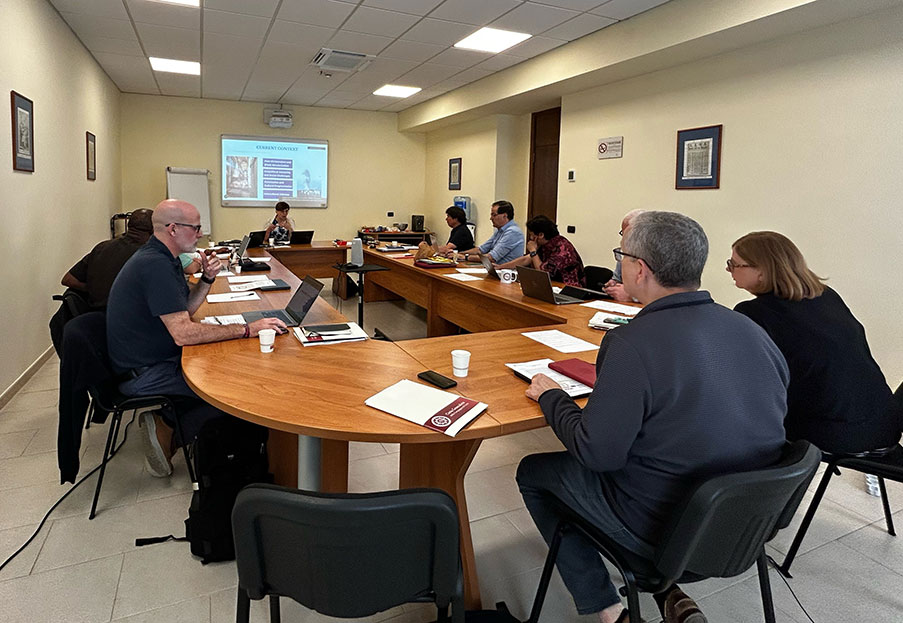
The ICAJE (International Commission on the Apostolate of Jesuit Education) and JGNS (Jesuit Global Network of Schools) Board meeting took place from 26 May to 29 May 2026, bringing together leaders of the global Jesuit educational apostolate to reflect on shared priorities...
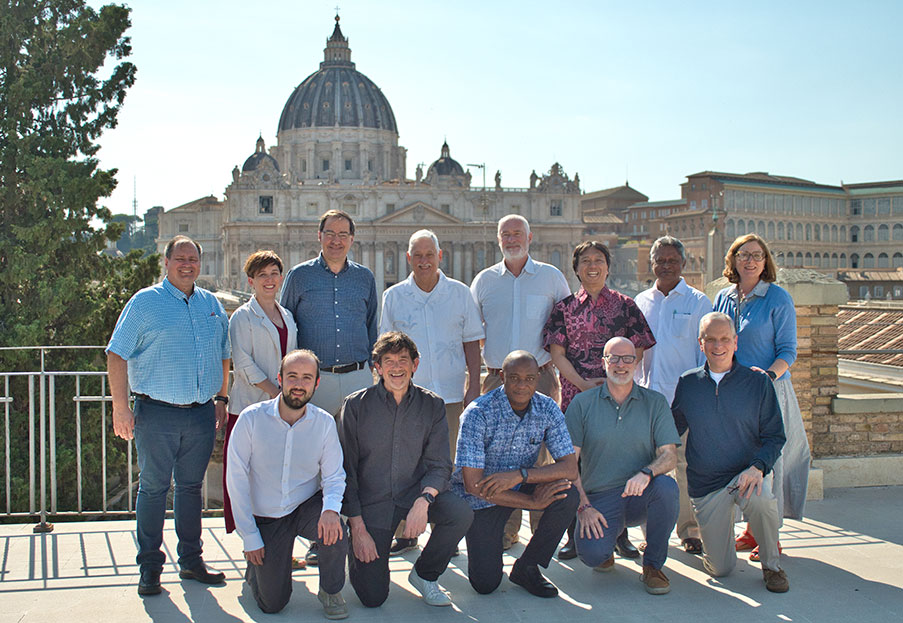
The International Commission on the Apostolate of Jesuit Education (ICAJE) supports the Secretariat for Secondary and Pre-Secondary Education in animating, coordinating, and renewing Jesuit education worldwide. Since its establishment in 1980, ICAJE has fostered collaboration...