A Church for All: Synodality and Inclusivity in a Changing World
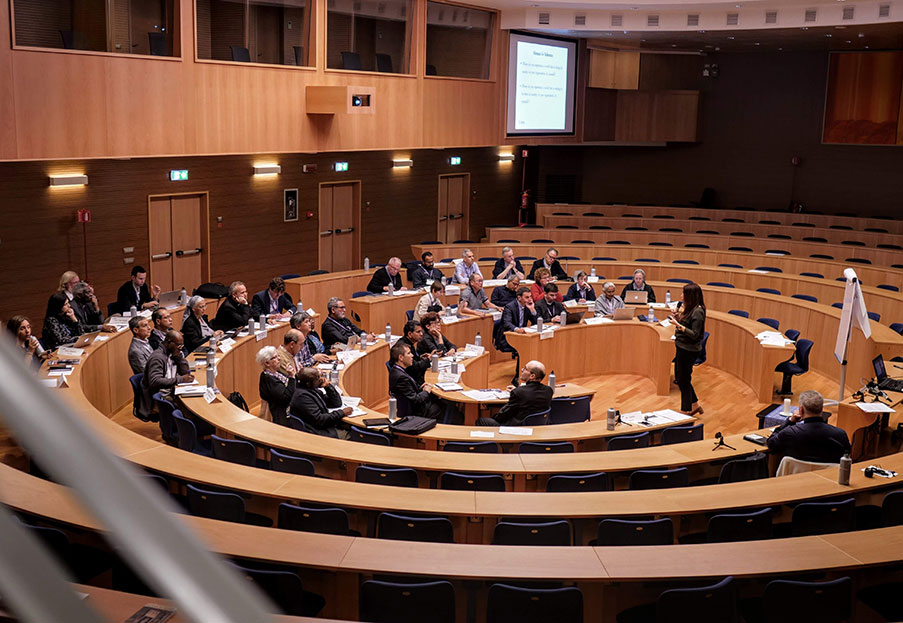
Throughout this month, Cardinal Stephen Chow, SJ, has been actively participating in the Second Session of the Synod on Synodality. In this interview, he discusses his hopes for the Synod, emphasizing the need for an outcome that will contribute towards everyone – clergy, religious and laypeople alike – walking on the path together. This inclusive approach, he says, will be helped by real life experiences, discernment and reflection.
Reflecting on synodality, Cardinal Chow highlights the value of harmony, which he distinguishes from uniformity. He notes that respecting unity in plurality, while maintaining harmony is crucial for regions like Hong Kong where he is the Bishop, and on the Asian continent in general.
The Jesuit Cardinal also draws on his Jesuit formation to explain his approach to the Synod, particularly his sense of freedom in accepting the outcome of the work of the Synod. While not every decision may be agreeable to all, he stresses that “God is in it, in the outcome – the documents. And it’s the love of God. It’s God’s promise, his faithfulness with us.”
Ecumenism and interfaith dialogue are important, especially in a continent of diverse religions like Asia. Cardinal Chow speaks of the efforts of collaboration between the Hong Kong’s major religions. He underlines the importance of finding common ground and maintaining good relationships with other Christian denominations, as well as other religions.
Cardinal Chow goes on to echo Pope Francis’s call for the Church to reach out to the marginalized, stating that the peripheries are not too far away – the exist in every society. This includes the poor, the refugees, and minorities who cannot speak for themselves. He emphasizes that the Church must lend its voice to speak for these people and be at the forefront in advocating for them. Above all, the Cardinal believes that the true change brought about by the Synod is a “Church that is walking, journeying together” while learning to listen and dialogue with empathy.

Related Posts:
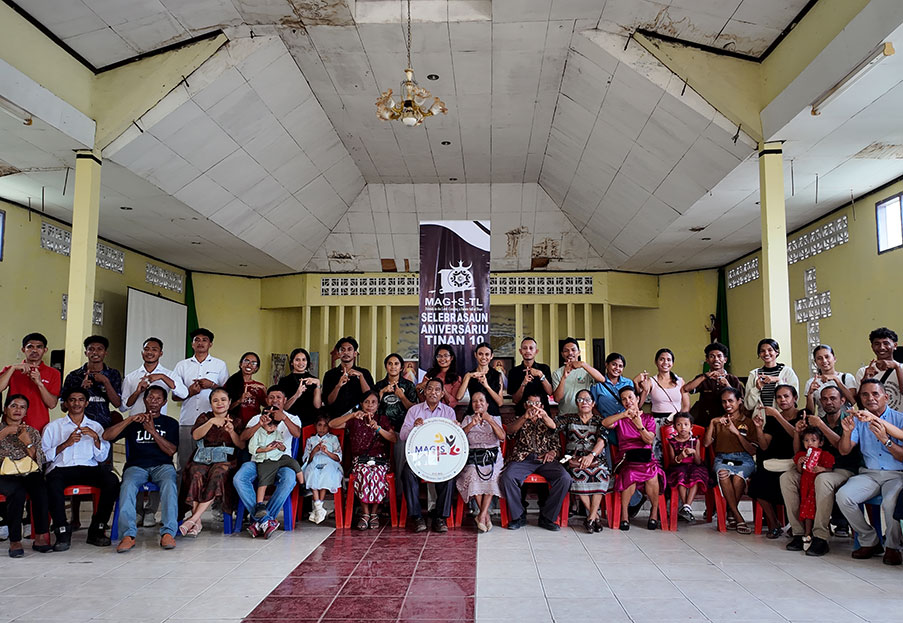
For ten years, MAG+S Timor-Leste has been quietly accompanying young people. In our small community shaped by friendship, prayer, and service, many young people have encountered the richness of Ignatian spirituality and discovered a deeper relationship with God...

After three years of being ad experimentum with the Jesuit Conference of Asia Pacific (JCAP), the Pakistan Jesuit Mission pauses to reflect on what it means to live and serve in this land. These years have not been easy. Pakistan is often described as an “arduous” place...
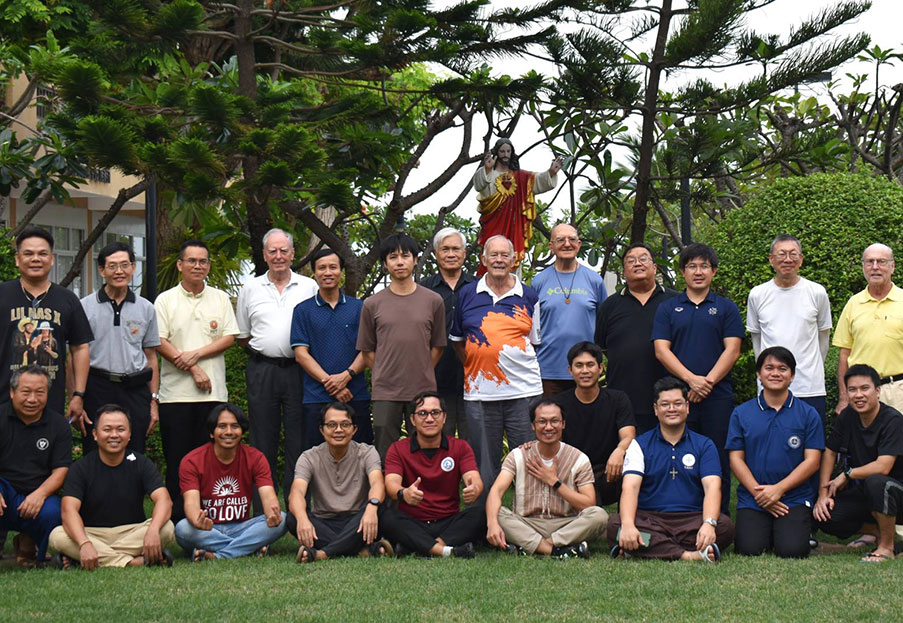
On 12 May 2026, Father General Arturo Sosa appointed Fr Francis Xavier Manasan Wongvarn, SJ, as the new Regional Superior of Thailand. Born on 4 October 1981 in Bangkok, Fr Manasan entered the Society of Jesus in 2001. He studied philosophy at Ateneo de Manila University where he obtained...

Father General Arturo Sosa has appointed Fr Albertus Bagus Laksana as the new Provincial of the Indonesian Province of the Society of Jesus. He will formally assume office on 27 July 2026. Born in 1972, Fr Bagusentered the Society of Jesus in 1992 and was ordained to the priesthood...

Sr Nathalie Becquart, the undersecretary of the Synod of Bishops discusses how to accompany dioceses or local church communities in implementing a synodal process, based on experiences from the Secretariat General of the Synod. She emphasizes two foundational principles...

Father General has appointed Fr Hwang Jeong-yeon Javier as the Provincial of the Korean Province. Born in 1967 in Seoul, Fr Hwang entered the Society in 1996. He completed a Master of Arts in Philosophy at the Graduate School of Theology of Sogang University in 2001 and...