We are all migrants
By Heydi Galarza and Freddy Quilo, SJ | Province
of Bolivia
[From “Jesuits 2025 - The Society of Jesus in the world”]
The Fundación SJM Bolivia (SJM Bolivia Foundation) is transforming Bolivia’s experience of emigration by welcoming, encouraging and integrating immigrants, mainly Venezuelan forced migrants, and seeking to strengthen their capacity for resilience.
José, a Venezuelan citizen arrived in the city of El Alto, Bolivia in 2019. Like many of his fellow Venezuelans, to survive day to day, he sold sweets in one of the city’s most traffic-clogged streets. A policeman was there too, trying to organise the chaotic traffic. Day in, day out, both just got on with their jobs. Then, one afternoon, the policeman noticed José had not turned up to sell his sweets. When he eventually re-appeared, he asked José the reason for his absence. Somewhat surprised, José replied and dared to ask why he wasn’t behaving like the other policemen, and checking up on his immigration status. The policeman responded by inviting him to share a meal, during the course of which he revealed he had once been a migrant in Spain. The whole time he was there he had not been able to regularise his residency status. That day, the policeman and Jose acknowledged they were both migrants.
The story above sums up the message Fundación SJM Bolivia conveys through its work fostering inter-cultural co-existence in a nation of migrants. Our activities are a response to forced migration, one of several human dramas without precedent in Latin America.

Just like José, since 2018 many Venezuelan forced migrants, who have been reduced to begging, have filled the main streets of Bolivia’s large cities, hoping to obtain a little money for rubbish food and a roof over their head. They hope to reach Chile and find work there so they can send remittances to family back home.
By mid-2022, according to a SJM Bolivia Foundation report, there were 13,678 Venezuelan migrants in Bolivia. By the end of the year, 15,000 immigrants were living here, mainly in Santa Cruz, La Paz and Cochabamba. In 2023, the UN-Bolivia estimated that by the end of the year their number would have increased to more than 18,200.
Bolivia has a long tradition of emigration and is currently a stopping-off point and final destination for forced migrants. The SJM Foundation and the Society of Jesus have long-standing experience of migration. Yet this scenario presents us with an entirely new apostolic challenge, namely, how do we accompany and welcome migrants while acknowledging Bolivia’s own experience of emigration? To promote inter-cultural fraternity via “social friendship” as advocated by Pope Francis, means prioritising the welcome of migrants and accompanying them. It means encouraging and helping them to integrate while strengthening their own capacity for resilience.
According to all the national and international organisations working with migrants and refugees and figures from our SJM Foundation database, their number is only going to rise. During the pandemic, between January and August 2020 the Foundation recorded the arrival of 183 Venezuelan migrants. In 2021, their number rose to 1,153 migrants and by 2022, it had increased to 1,937. Many more have arrived since then, although, at the time of writing, the official figures have not yet been confirmed.

Another fact worth remembering is that 10 per cent of all the migrants who entered Bolivia between 2015 and 2022 decided to remain. The rest left, mostly heading for Chile. To give specific figures, by the end of 2022, the Foundation had recorded 43 families living in La Paz and El Alto.
Reading the Book of Exodus in the Old Testament reminds us that we too were once “foreigners in the land of Egypt”. This alerts us to the fact that we develop a sense of fraternity and justice by acknowledging that we are all migrants, even though only some of us cross borders.
Bolivia remains a transit country and source of emigrants, but this particular “small remnant of Israel” seeking to settle in lands like our own leads us to question the reasons behind that decision. That obliges us to not only seek to strengthen the economy, but also to create spaces that display more solidarity, greater empathy and less xenophobia, in other words, lands where the atmosphere we breathe is more humane.

Related Posts:
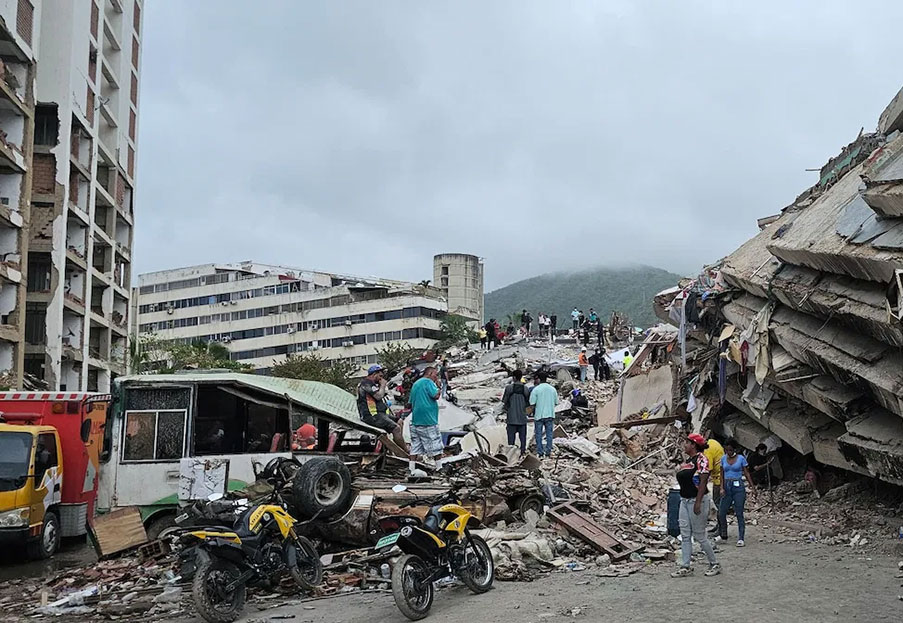
A series of powerful earthquakes have struck Venezuela on 24 June, causing widespread destruction across affected communities and leaving thousands of people in urgent need of assistance...
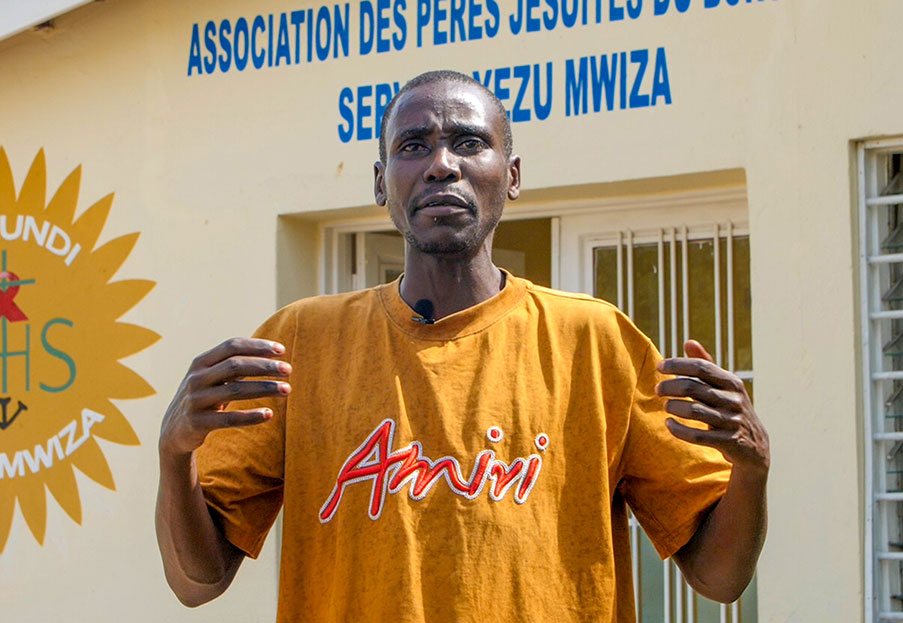
Service Yezu Mwiza (SYM) is a Christian, socio-medical organization dedicated to fighting HIV/AIDS, tuberculosis, and malaria, while promoting holistic healthcare and social justice. Founded in 2008, it operates as a prominent reference centre under the care of the Jesuits in Burundi...

World Refugee Day is celebrated every year on 20 June. This international day was designated by the United Nations to honour refugees around the globe, shine a light on their plight, and work together to find long-term solutions to displacement.
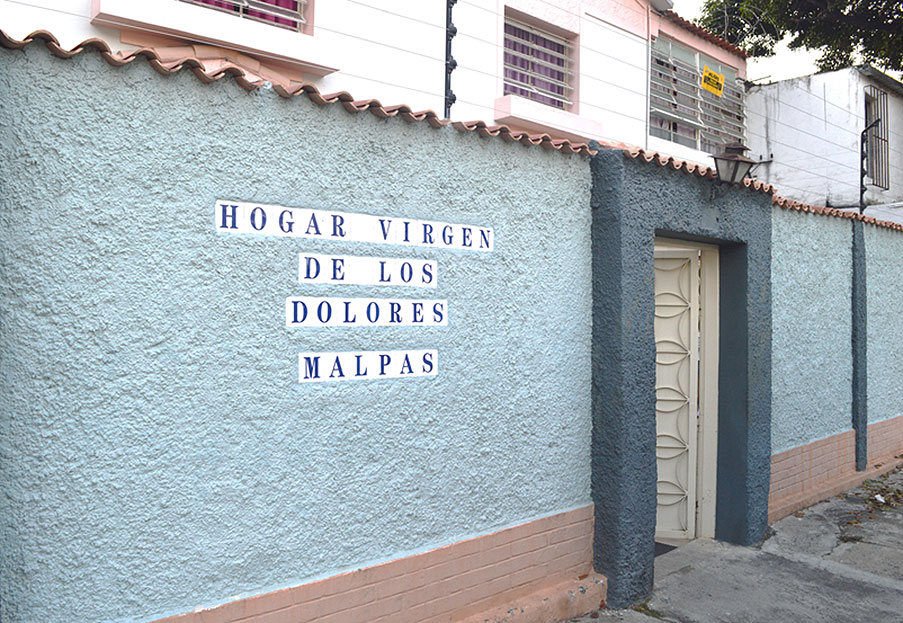
For eight decades, the Hogar Virgen de los Dolores (HVD) has served Venezuela’s most vulnerable children, building a legacy rooted in the Jesuit commitment to education and social justice. What began as an apostolic initiative has now evolved into a model of education...

One of the Universal Apostolic Preferences promulgated by Father General in 2019 invites the Apostolic Body of the Society of Jesus to “Walk with the poor, the outcasts of the world, those whose dignity has been violated, in a mission of reconciliation and justice”...

The Social Justice and Ecology Secretariat (SJES) of the Society of Jesus has released its 2025 Annual Report, “The Promotion of Justice is Fueled by Hope”. The report details regional milestones at the conference level, the results of global advocacy, and its commitment to the mission of...