Walking alongside the Elderly: The Work of the Loyola Centres Network in Cuba
By the Communications Office of the Jesuit Province of the Caribbean
One of the Universal Apostolic Preferences promulgated by Father General in 2019 invites the Apostolic Body of the Society of Jesus to “Walk with the poor, the outcasts of the world, those whose dignity has been violated, in a mission of reconciliation and justice”. After discerning how to implement this Preference and assessing the most recent wave of the migration crisis that Cuba has been experiencing since 2022, the Jesuits present in the largest island of the Antilles placed the accompaniment of the elderly and older adults among their apostolic priorities, recognizing them as one of the most vulnerable groups in this reality.
In addressing contexts of precariousness, loneliness, and abandonment, the Caribbean Province of the Society of Jesus, which carries out its work in Cuba, recognized in these people the most visible face of exclusion. This is especially true in light of the migration of one of the main sources of employment and economic support for families: young people. Jesuits and collaborators clearly recognized that older adults must be a priority in the mission, and that the commitment to assist them in their many needs – including material ones – must grow.
To look upon their realities with sufficient mercy is to recognize in them a majority who spent much of their lives working and contributing to society, but who, once they reach the stage where their productive capacities are diminished, are left alone, helpless, and without hope.
Moreover, the Cuban population is aging rapidly. According to reports from the National Office of Statistics and Information (ONEI), in 2022 nearly 22.3% of the population was 60 years of age or older, making Cuba the country with the oldest population on the Latin American continent. This phenomenon stems from a combination of low fertility rates, high life expectancy, and high emigration. Although more recent data has not been published, it is estimated that the percentage of the adult population is currently higher.
Meanwhile, the minimum pension stood at around 1,528 pesos as of September 2025, and although an increase to 3,056 pesos is projected, it remains insufficient. The elimination of subsidies, shortages, and inflation further exacerbate the situation. Added to this is the absence of robust public policies to protect this population: there are no effective subsidies for food, medicine, or basic services, nor is there guaranteed access to cultural or recreational activities. In this scenario, we also find that the majority of the aging population consists of women, who have a longer life expectancy but a lower quality of life. For the most part, women are overrepresented as caregivers, which entails physical and emotional overload, especially for those over 50. This feminization of old age and care exacerbates gender inequalities in precarious contexts.
Faced with the growing and painful reality of hundreds of vulnerable older adults turning to parishes run by the Jesuits, the Society of Jesus in the Caribbean Province has launched a care service aimed at this section of the population, with the goal of providing human companionship and relief for their most basic needs. Fr Danny Roque, SJ, Director of the Loyola Centres Network in Cuba, explains: “Around 2021, when the context of monetary policy changes emerged, we observed that, even with the increase in pensions, it represented very little money compared to the rising cost of living, particularly for food. So we made the decision to provide more direct support and to embrace as part of our mission in Cuba not only charitable work for the elderly but also their social advancement. We sought to ensure that this approach was integrated into all the work of the Society of Jesus in Cuba, which is carried out primarily in parishes and Loyola Centres.”
Loyola Centres: From an Educational Focus to the Advancement of the elderly
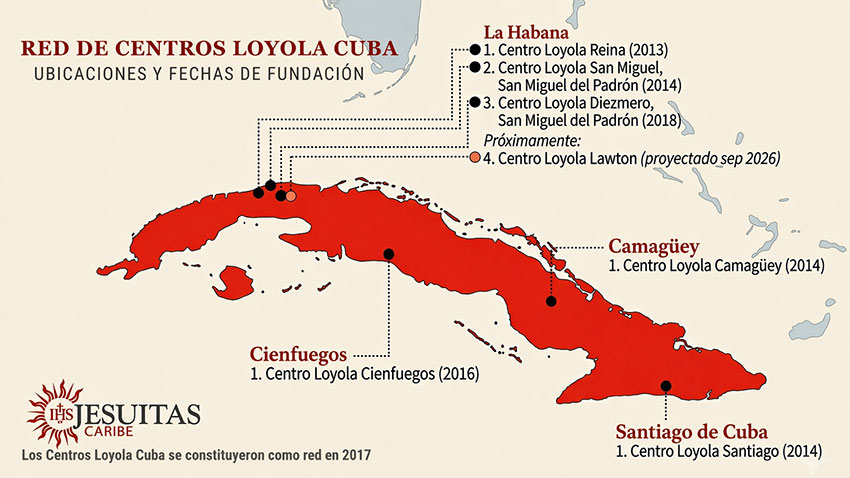
The Loyola Centres are known in Cuba primarily for their educational work. They emerged in mid-2013 in Havana as spaces for supplementary education, to help parents who could not afford tutoring for their children. Over the years, they have evolved into socio-educational spaces that, through education and social action, seek the integral promotion of the human person, with a special emphasis on the most vulnerable.
To better serve the community, each centre is organized into two major, interrelated areas of work: the educational area, with four programs, and the social action area, with nine. Together, they offer a total of 74 types of courses, workshops, and activities ranging from academic tutoring and arts or vocational training to social assistance, the promotion of values, reflection on citizenship issues, entrepreneurship training, psychological and spiritual support, dialogue on faith and culture, and environmental stewardship.
The challenge of educating children and adolescents in Cuba is complemented by a growing number of courses and initiatives for older adults. Workshops are offered for them in doll-making, computer skills, English, tai chi, and mental health.
Among the most in-demand courses in urban settings is, for example, the one on mobile phones; a significant number of seniors are learning to use mobile apps necessary for managing their pensions, paying bills, and communicating with their families via WhatsApp. A window that eases the loneliness of being an elderly person in a country.
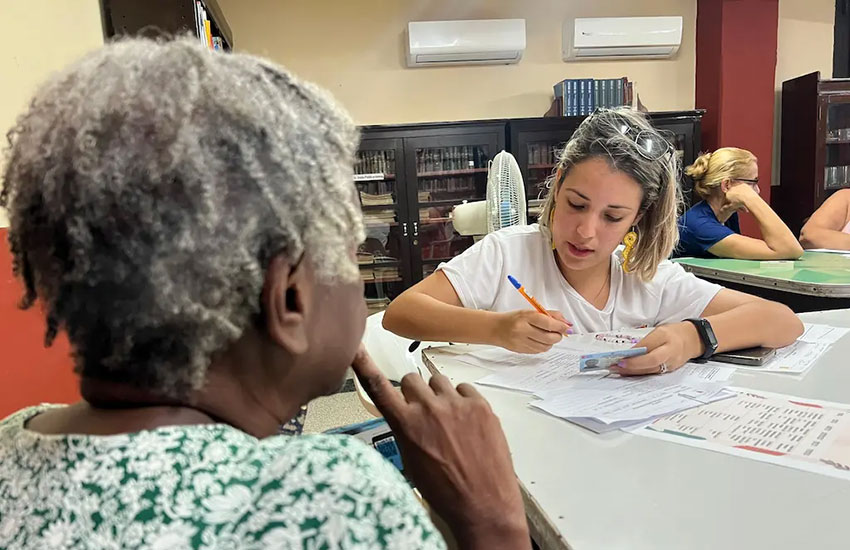
“I already know how to pay online, make transfers, and send voice messages”, says Margarita joyfully. Susana, for her part, adds: “I discovered YouTube and now I can easily find information about medications. I’ve also learned how to make video calls to talk with my son.” For many people, these skills are part of everyday life, since most daily activities involve, in one way or another, interacting with communication devices or social media. However, Margarita and Susana are 79 and 75 years old, respectively.
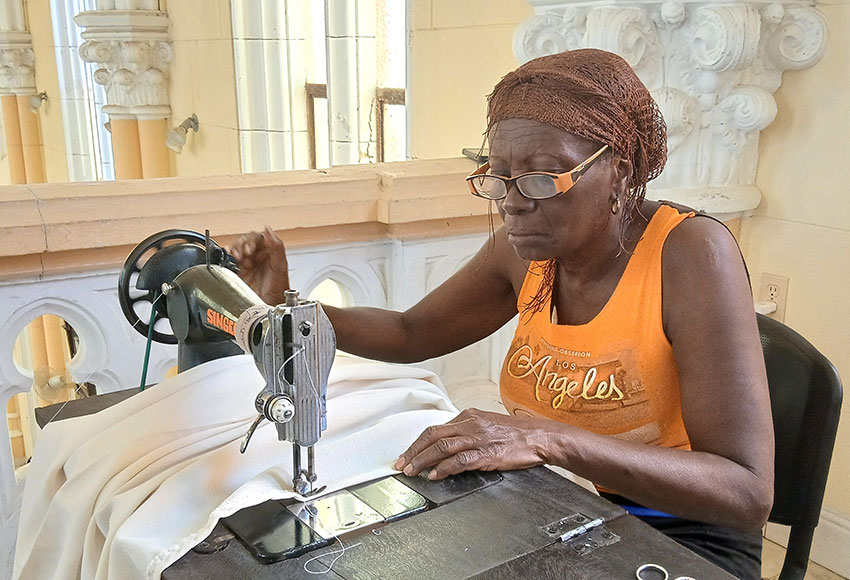
Likewise, spaces created to provide materials for entrepreneurship are in high demand among this population. Fr Roque explains that “through the Centres, we try to integrate them into production and marketing chains so they can benefit from their work. It’s not that they make finished products, nor that they live entirely off of it, but they do produce parts of goods that they later market and can use to increase their income.”
The programs also reach older adults in rural areas, where they work with rural communities not part of state production control systems; they advise them on the production and sale of preserved foods, condiments, seedlings of various crops, and ornamental plants. These activities not only provide them with extra income but also contribute to their empowerment.
For their work in Cuba, the Loyola Centres receive support from partner agencies such as Jesuitenweltweit in Germany, Jesuitenweltweit in Austria, MISEREOR, Kindermissionwerk, Manos Unidas, ENTRECULTURAS, Ayuda Más, Kerk in Actie in the Netherlands, Brot für die Welt in Germany, Fondation OSEJTM, and American Jesuits International in the United States. Without the support of these organizations, maintaining these facilities would be unsustainable.
Charity and Comprehensive Care: A Commitment to Cuba
For about five years now, the works of the Society of Jesus in Cuba have been working with the elderly, either directly or indirectly. In the current crisis facing the island, soup kitchens for the elderly have proliferated, operating with varying degrees of impact in most local churches. The Jesuits have also joined this relief effort. At least two breakfasts per week are offered in several parishes, thus covering part of the nutritional needs of those who are hungry or living in precarious conditions. Likewise, thanks to the commitment of parish communities, private donations, and the collaboration of parishioners, in some localities this service has been expanded to include an additional weekly lunch.
Some testimonials from beneficiaries show that the soup kitchens, in addition to providing food, offer a listening ear and companionship that boosts the self-esteem of those who receive it. Marlene, who has participated in several courses at the Loyola Reina Centre and attends the soup kitchen at the Sacred Heart Parish, says: “It is a tremendous blessing. I had no family, no one. Here I feel supported, and I even prepared to receive the sacraments.” For her part, Caridad says: “I like the food at the soup kitchen, and it also helps me a lot, because I’m alone. I have no other support. I come with great love to participate.”
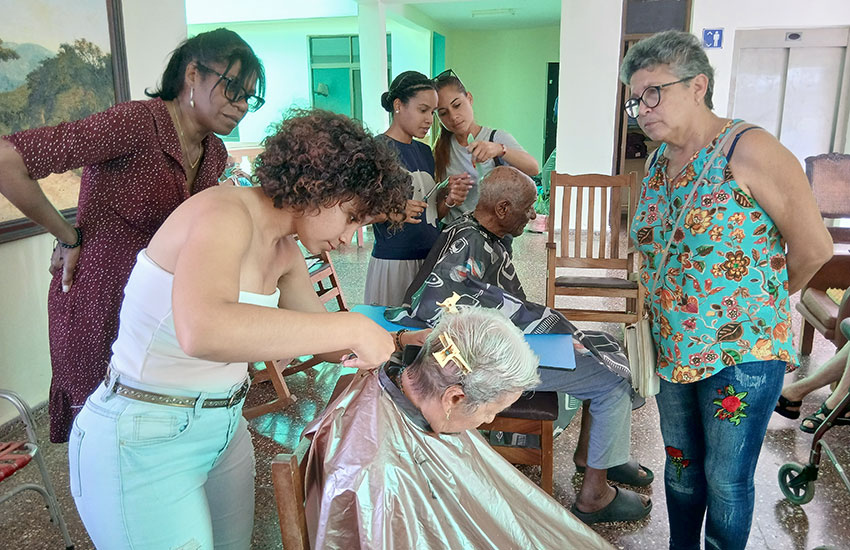
In addition to the food assistance offered in parishes, the Society of Jesus, through the Loyola Centres, seeks to strengthen the dignity and overall well-being of the elderly through initiatives for human development. Fr Roque adds that “at the soup kitchens, they generally receive prepared meals or food rations so they can prepare them at home. At the same time, they are provided with specialized assistance, which includes sessions with psychologists, emotional support, spaces for relaxation and social interaction, as well as recreational, therapeutic, and cultural activities.” In some of these locations, there are also groups of students studying hairdressing, barbering, and manicure affiliated with the Loyola Centres, who provide free beauty services for the elderly at least once a month. The programs also include talks with geriatric specialists, recreational and leisure activities, visits to sites of cultural or artistic interest, basic healthcare, and the provision of medications – especially for those with chronic conditions requiring ongoing treatment.
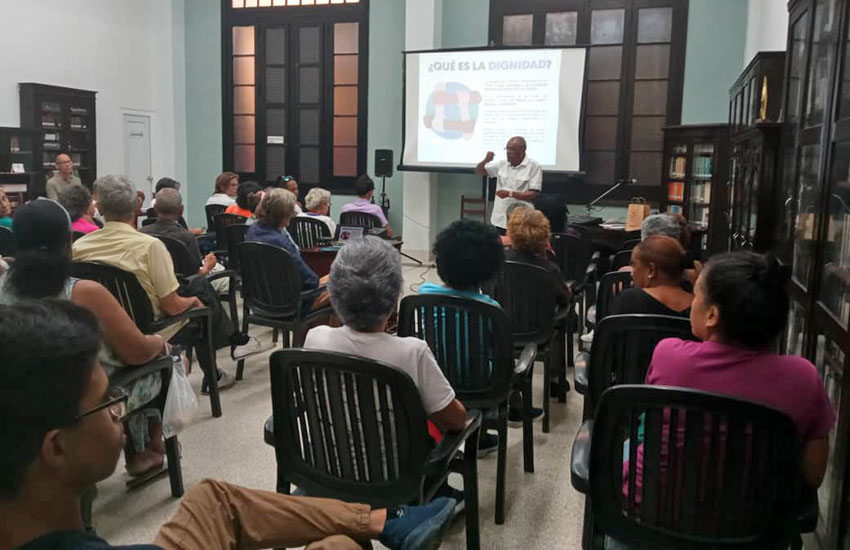
One of the Centres’ most well-known programs is called “Otoño”. Part of the Loyola Reina Centre, located in the country’s capital, it recently launched a wide variety of workshops, with open enrolment and no limit on the number of participants. The result? More than 90 people from nearby neighbourhoods signed up on the very first day. Today, the number exceeds 200. Among the diverse options, highlights include workshops on self-care, Pilates, basic computer skills, English, mobile phones, positive psychology, knitting, doll-making, crafts, massage, tai chi, relaxation, and cognitive training. There are also complementary workshops on theatre, singing, creative writing, and spiritual development. Options that aim to grow and diversify, given the increasing impact they have on the lives of older adults.
We give thanks to God for providing the means for the Jesuits of the Caribbean to continue accompanying the most vulnerable. The joy on the faces of the people, who feel comforted and encouraged even in the midst of the turbulent reality they face, confirms that the choice made by the Jesuits and their collaborators in the mission in Cuba stems from a loving regard for the Cuban people, with whom they share the Gospel and daily challenges.

Related Posts:

The Paraquarensis Province was separated from that of Peru in 1604. It comprised the territories of the present-day states of Paraguay, Argentina, Uruguay, part of Bolivia, and, temporarily, Chile. One of the most notable ministries in this Province was the Guaraní reductions...
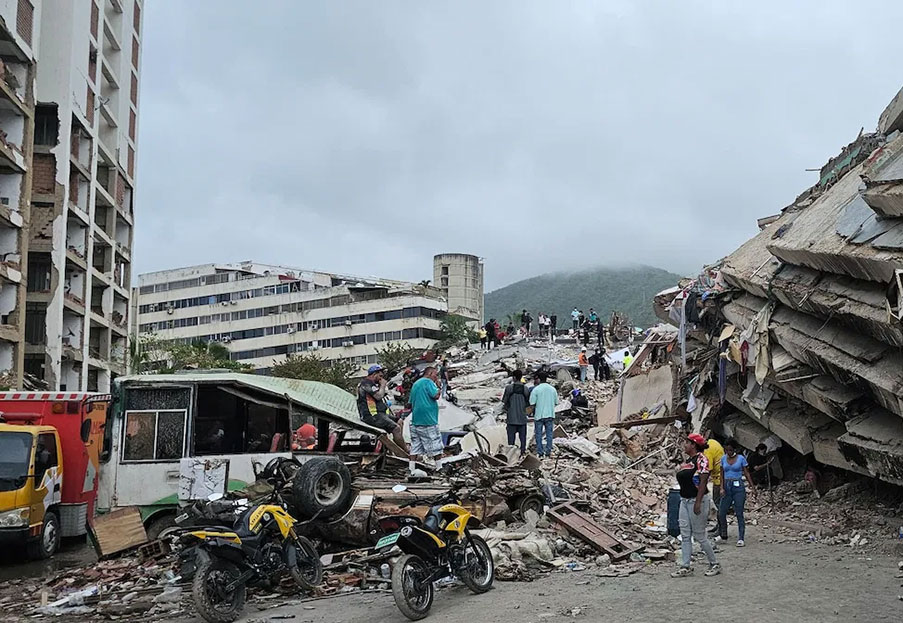
A series of powerful earthquakes have struck Venezuela on 24 June, causing widespread destruction across affected communities and leaving thousands of people in urgent need of assistance...
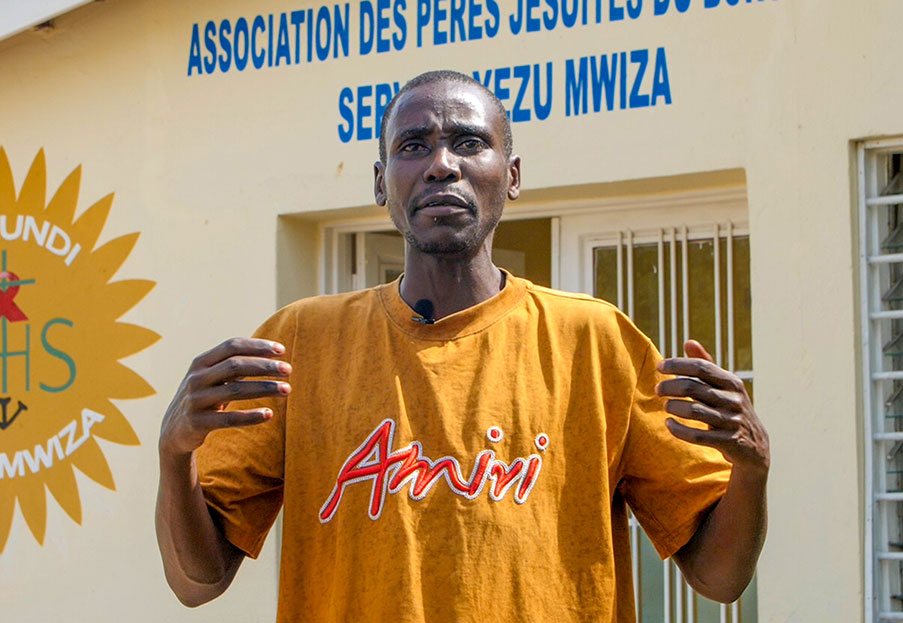
Service Yezu Mwiza (SYM) is a Christian, socio-medical organization dedicated to fighting HIV/AIDS, tuberculosis, and malaria, while promoting holistic healthcare and social justice. Founded in 2008, it operates as a prominent reference centre under the care of the Jesuits in Burundi...
For eight decades, the Hogar Virgen de los Dolores (HVD) has served Venezuela’s most vulnerable children, building a legacy rooted in the Jesuit commitment to education and social justice. What began as an apostolic initiative has now evolved into a model of education...

The Social Justice and Ecology Secretariat (SJES) of the Society of Jesus has released its 2025 Annual Report, “The Promotion of Justice is Fueled by Hope”. The report details regional milestones at the conference level, the results of global advocacy, and its commitment to the mission of...

On the morning of 24 March 1964, Fr Herman Rasschaert celebrated Mass in his remote parish of Kutungia, 240 kilometres from Ranchi on the Orissa border. He knew what was happening in nearby Gerda village. Word had spread: a frenzied mob was attacking Muslims trapped...