The legacy of Jesuit schools in the Province of Spain
Father General Arturo Sosa visited four schools of the Mediterranean Apostolic Platform as part of his visit to the Province of Spain. The school tour included Escuelas San José in Valencia, Colegio Borja in Gandía, and two schools in Alicante – Colegio Inmaculada and Colegio Nazaret – each representing a different expression of Jesuit education in Spain.
Though the mission is shared – to form “competent, conscientious, compassionate, and committed people” – each institution lives it in its own way. Fr Sosa’s visit invites reflection on how Jesuit education continues to evolve within local contexts while remaining rooted in faith and service.
Escuelas San José – Jesuitas Valencia
With more than 150 years of history, Escuelas San José stands as one of the largest Jesuit educational centres in the Province of Spain, with over 2,500 students. Located in Valencia’s Campanar district, it offers Primary, Compulsory Secondary Education (ESO), Bachillerato (Upper Secondary), and all levels of Vocational Education and Training.
The school has a long tradition of supporting students with special educational needs. Since 1976, it has maintained four special education units and offers employment-oriented training to help students transition into the workforce.
Its present form is the result of a relocation: the former Colegio San José on Gran Vía Fernando el Católico moved to Escuelas Profesionales San José in Campanar. The transition occurred in two stages – Primary education moved in 1976 and Bachillerato in 2002.
Escuelas San José was also the setting for a landmark moment in recent Jesuit history: in 1973, Fr Pedro Arrupe delivered his famous address to alumni here – the seed of “Men and Women for Others”.

Colegio Borja – Jesuitas Gandía
Few Jesuit schools can claim a heritage as symbolic as Colegio Borja. Located in Gandía’s Palau Ducal, it is the birthplace of St Francis Borgia, the third Superior General of the Society of Jesus. It stands at the crossroads of faith, history, and education.
The Society of Jesus acquired the palace in the 19th century, and by 1941 had opened a graded primary school on the site. Deeply tied to local tradition, the school remains part of Gandía’s identity, especially during the city’s annual celebrations in honour of St Francis Borgia.
Since 1975, under its current name, Colegio Borja has operated as a relatively small institution, with one class per grade from Early Childhood through Secondary, serving around 350 students.
Colegio Inmaculada – Jesuitas Alicante (Vistahermosa)
Founded in 1956, Colegio Inmaculada in Alicante reflects the classic Jesuit school model of mid-20th-century Spain. Originally a boarding school on the city’s outskirts, it served students from both Alicante and nearby towns.
Nearly 70 years later, the school is now fully integrated into the urban fabric of Alicante and no longer operates a boarding facility. It currently runs four classes per grade from Early Childhood through Bachillerato, serving about 1,700 students.

Colegio Nazaret – Alicante
Colegio Nazaret represents a different but deeply Jesuit facet of education: the integration of social outreach and learning. Founded in 1957 by Francisco Javier Fontova, SJ, it was created to accompany minors and families in vulnerable situations in Alicante.
It offers a distinctive blend of education, shelter, and socio-educational support, and serves as a home and school for children and young people experiencing vulnerability. Currently it is classified administratively as a “Centro Singular” and serves just under 200 students across Primary and ESO.
A Shared Mission for the Common Good
Father Sosa’s visit to these four schools underscores the vitality and diversity of Jesuit education in Spain. Across Valencia, Gandía, and Alicante, each institution adapts the Ignatian vision to its community while forming young people committed to others and open to the world.
Together, they highlight the Province of Spain’s commitment to the educational mission and shows how holistic formation must adapt to each context so that alumni may reach their magis.

Related Posts:
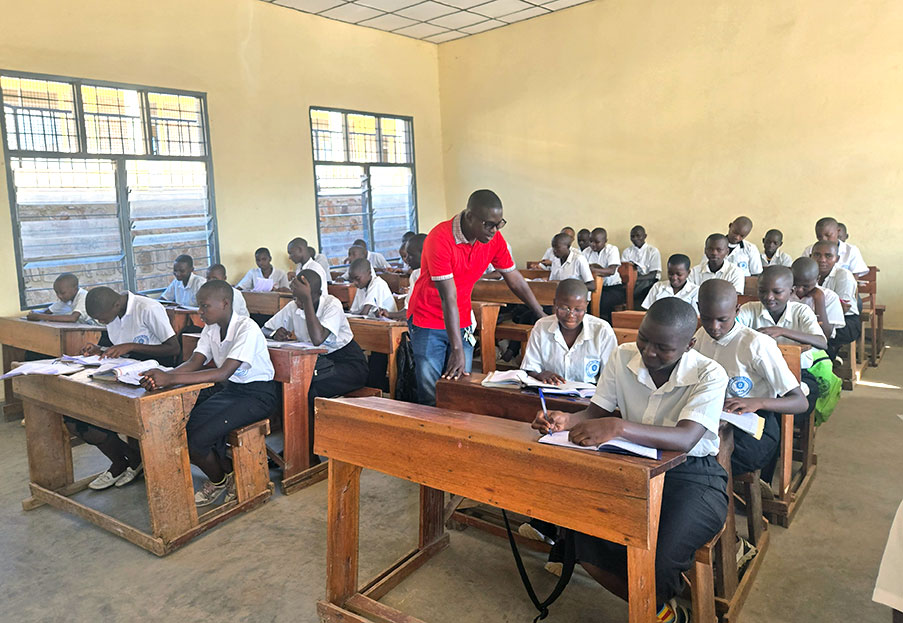
École Fondamentale Saint Louis de Gonzague was built to give every child space to be included, to live and learn alongside others, and to recognize their dignity as human beings. When the Jesuits founded the school in September 2004, in a region greatly affected by...
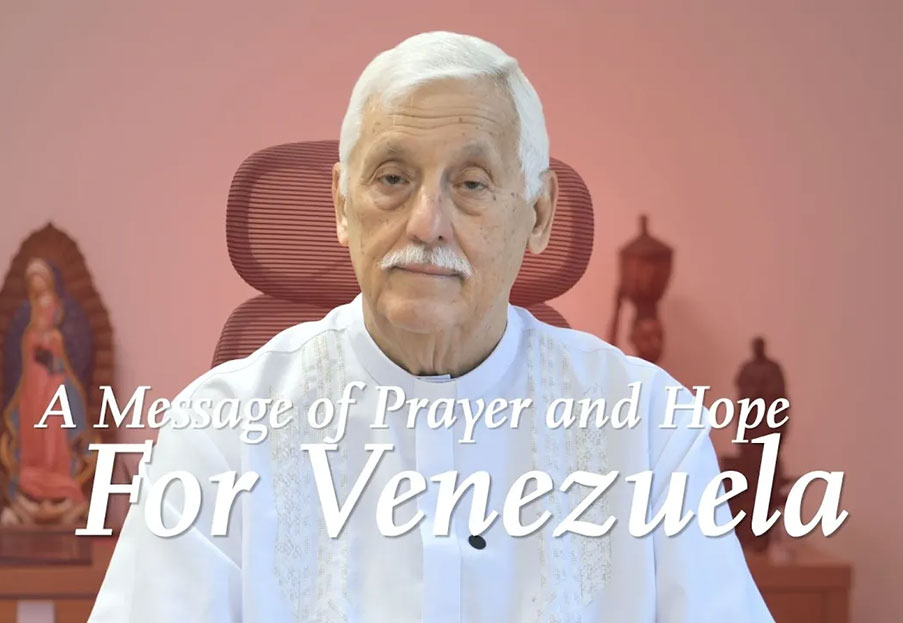
As Venezuela begins the difficult task of recovering after two strong earthquakes that claimed lives, left many missing and caused widespread destruction, Father General Arturo Sosa has sent a message of closeness and hope to the Venezuelan people.

As the Society of Jesus prepares for the II Congress JESEDU-Montreal 2027, a global process of review, discernment, and foresight is now underway. This initiative seeks to evaluate how the shared vision for Jesuit education has been implemented across the worldwide network of...
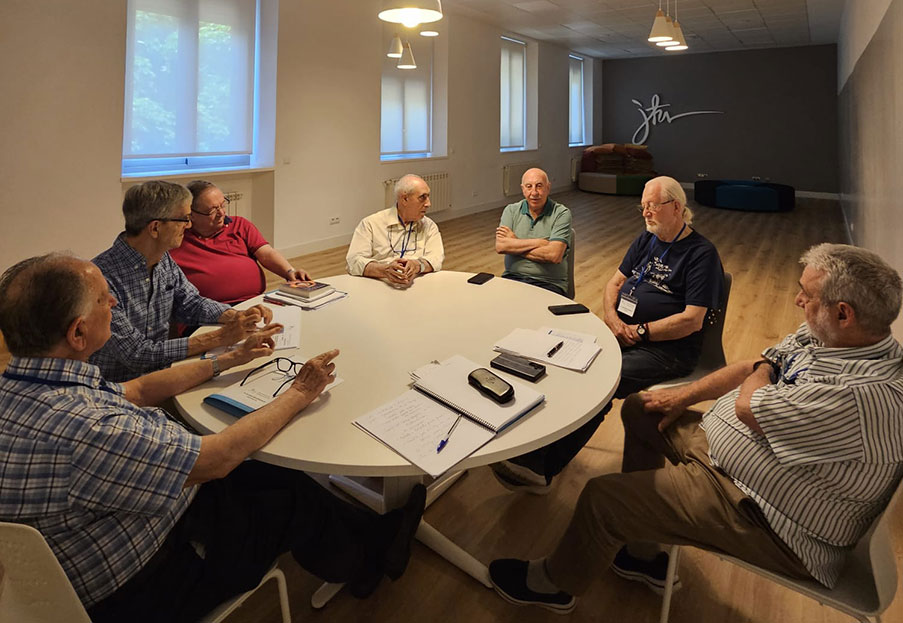
From 23 – 31 May, the Delegation for the Elderly of the Spanish Province organised the third edition of the formation course for elderly Jesuits at the Jesuit House in Salamanca. The program brought together 24 Jesuits aged between 70 and 85, with one or two participants in their 90s...

“Since the third Universal Apostolic Preference was given to us, I have spent time discerning how the General Curia can help to move it forward. I didn’t want to set up a heavy structure. I didn’t think a Secretariat here in the Curia was needed. In the end, I opted for a light network structure...”

The Enlarged Council brought together the Secretaries of the Apostolic Sectors, General Counsellors, General Treasurer, Presidents of Conferences, and other officials at the Curia to examine a central question: How to increase and deepen collaboration across apostolic...