Group Dynamics that affect discernment process | Ignite the Way
Fr David McCallum, SJ, a Jesuit priest and executive director of the Discerning Leadership Program in Rome, presents an insightful overview of group dynamics within communal discernment processes. He emphasizes that communal discernment requires managing groups effectively through facilitation and occasional leadership.
A critical early step is group formation, where members come together, build trust, and establish shared goals. This phase includes breaking the ice, setting ground rules, and clarifying expectations, enabling the group to move beyond superficial interaction to deeper collaborative work. The group then typically experiences a “storming” phase characterized by conflict and tension, which a skilled facilitator must navigate to help the group appreciate diverse perspectives and maintain hope for a shared future.
Following storming, the group develops norms that contain tensions and foster productive collaboration, especially when balancing local and global priorities. The facilitator then gradually steps back, allowing the group to engage in prayer, data analysis, planning, and accountability. Another crucial aspect of group dynamics involves managing authority and roles amid diverse participants. Drawing from group relations theory, Father McCallum introduces the acronym BART – Boundaries, Authority, Roles, and Tasks – to help facilitators maintain psychological security and clarity within the group. Boundaries define timelines and resources; authority balances leadership and participation with an emphasis on discerning God’s guidance; roles clarify responsibilities; and tasks focus on concrete actions to implement decisions. Throughout, special attention is given to inclusive participation, especially of marginalized voices. This foundational knowledge is vital for anyone leading communal discernment processes.
Related Posts:
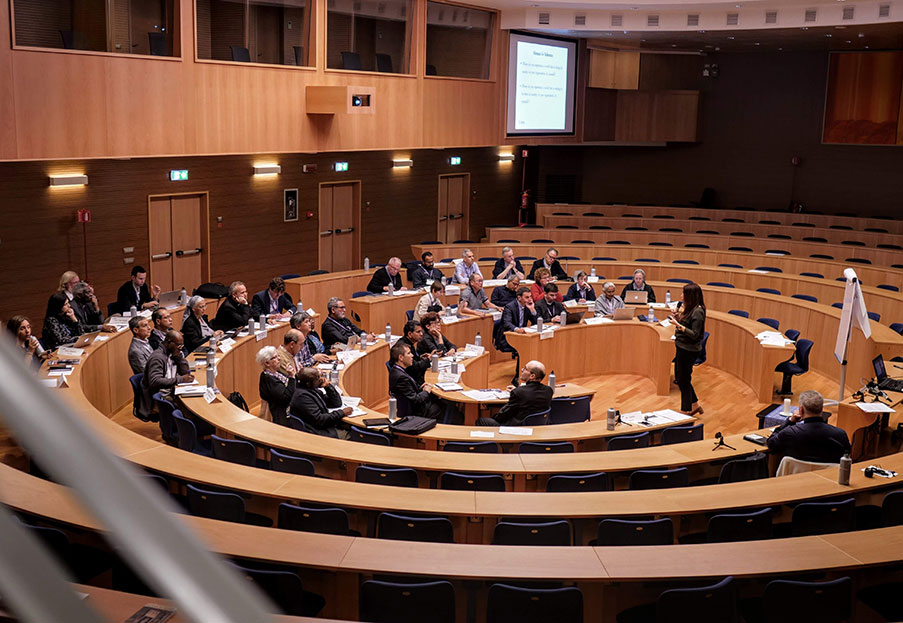
The Society of Jesus has designated Loyola University Chicago as the new home for the Discerning Leadership Program (DLP) which provides leadership formation, accompaniment and resources for senior Church leaders. Loyola University Chicago will henceforth steward...
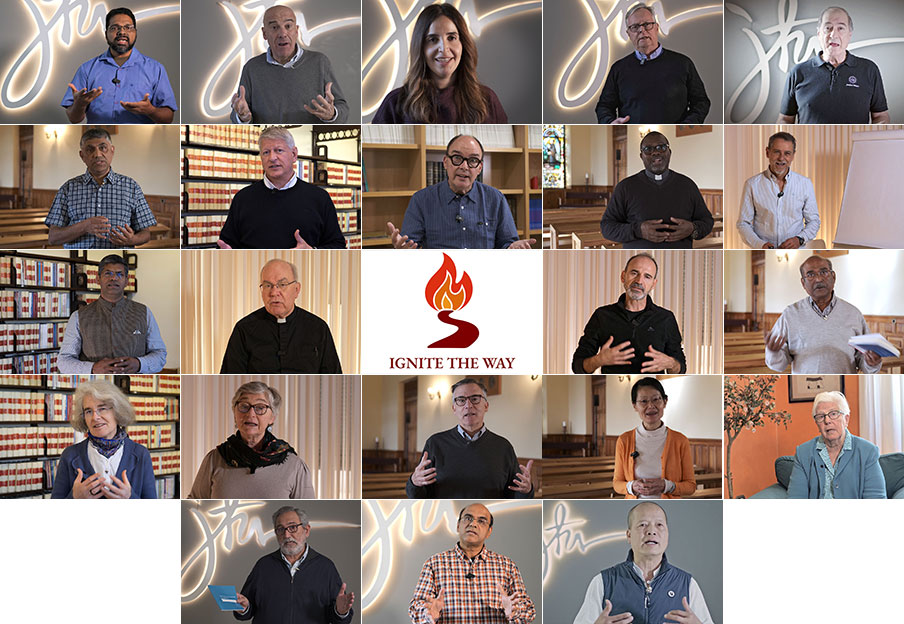
When nearly one hundred facilitators of discernment gathered in Salamanca in late 2025, something more than a meeting took place. Convened at the desire of Fr Arturo Sosa, Superior General of the Society of Jesus, the Ignite the Way gathering set out to form facilitators for processes of communal discernment...
Luis Valdés Castellanos, a Jesuit from the Mexican Province, discusses the vital role of spiritual conversation as a tool for shared discernment within religious communities. He emphasizes that neither discernment nor spiritual conversation is exclusive to the Society of Jesus...

Sister Pat Murray, a member of the Congregation of Jesus, in episode 21 of Ignite the Way series delivers an insightful presentation on the role of facilitation in general chapters, which are pivotal events in the life of any religious congregation. She emphasizes that general chapters serve as...
In episode 20 of Ignite the Way video series, Fr Hung Pham, a Vietnamese American Jesuit, explores the challenges and strategies involved in discernment within a mixed cultural or intercultural context. Drawing from his personal experience navigating dual cultural identities, Fr Pham emphasizes...
Fr Somy Matthew Mannoor, SJ, a Jesuit from India and formation delegate, presents a case study in the 19th episode of Ignite the Way video series on discernment in common, particularly focusing on young religious in formation. He shares two concrete examples illustrating...