PCCP: Promoting a Culture of Protection in Today’s World in the Ignatian Way
By Fr John Guiney, SJ*, and Dr Sandra Racionero-Plaza, PhD*
The project Promotion of a Consistent Culture of Protection (PCCP) was launched in 2018 following the 36th General Congregation. In 2019, a survey was conducted to assess the “state of the question” in Jesuit Provinces regarding policies, protocols, and formation aimed at advancing the Society of Jesus’ commitment expressed in Universal Apostolic Preference 2: “to help eliminate abuses inside and outside the Church”. This process was accompanied by guidelines to establish solid protocols and policies in all Jesuit Provinces and Regions worldwide, with a particular focus on prevention and on accompanying victims.
In 2022, an audit was completed showing progress in these three areas (policies, protocols, and formation for Jesuits and collaborators in the mission). The data revealed significant advances across the universal Society, although with notable contrasts between regions. At that time, one of the key requests from Provinces was for formation that goes beyond policies and protocols – beyond basic definitions and indicators. In response, the Superior General, Fr Arturo Sosa, SJ, launched in December 2023 a new formation program aimed at promoting a culture of protection across all apostolic areas of the Society of Jesus, from schools and universities to Jesuit formation, social centers, and houses of spirituality. This program has a universal scope and includes Jesuit networks such as Fe y Alegría and the Jesuit Refugee Service (JRS).
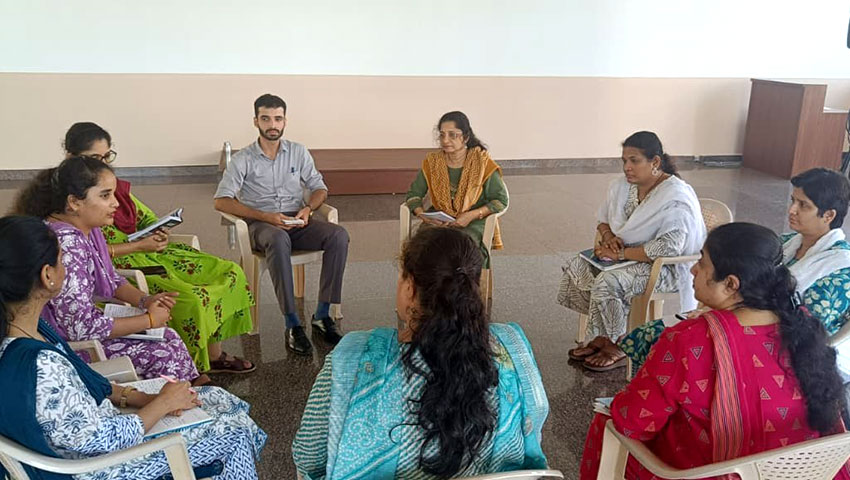
PCCP began designing these programs in January 2024, starting with pre-secondary and secondary education. The approach used – and still in place – combines, on the one hand, co-designing with a diverse range of key stakeholders in each apostolic area within each Jesuit Conference and network, and on the other hand, the integration of scientific research in the field (prevention of and response to abuse) with Ignatian spirituality. This Ignatian PCCP formation program has already been piloted in the six Jesuit Conferences and in Fe y Alegría, involving around 850 participants. Only Course 1 (of a total of three) has been implemented so far, and the quantitative and qualitative data collected show very positive impacts, including changes in cognition, motivation, and, most importantly, in social relationships.
The co-designing of Courses 2 and 3 is already underway, and Course 2 – focused on effective interventions, once again grounded in both scientific evidence and Ignatian spirituality – will be launched in the coming months. At the same time, PCCP is developing a formation program for Jesuits in safeguarding, within a broader framework: promoting a culture of protection based on high-quality human relationships in all communities and institutions. This program proposes a universal curriculum covering key topics at each stage of formation, from pre-novitiate to Tertianship. By the end of 2026, the program for the novitiate stage will be completed.
The underlying principle of PCCP and its formation programs is that policies and protocols will always be necessary and must be regularly updated to respond to a changing reality, both socially and within each institution. However, from its inception, PCCP has assumed that policies and protocols alone do not create a new relational culture capable of preventing all forms of abuse. Cultural change requires processes that engage the entire community and form all members of an institution or group in ways of relating that are, in themselves, preventive of different types of abuse. This involves people in a wide variety of roles and responsibilities.
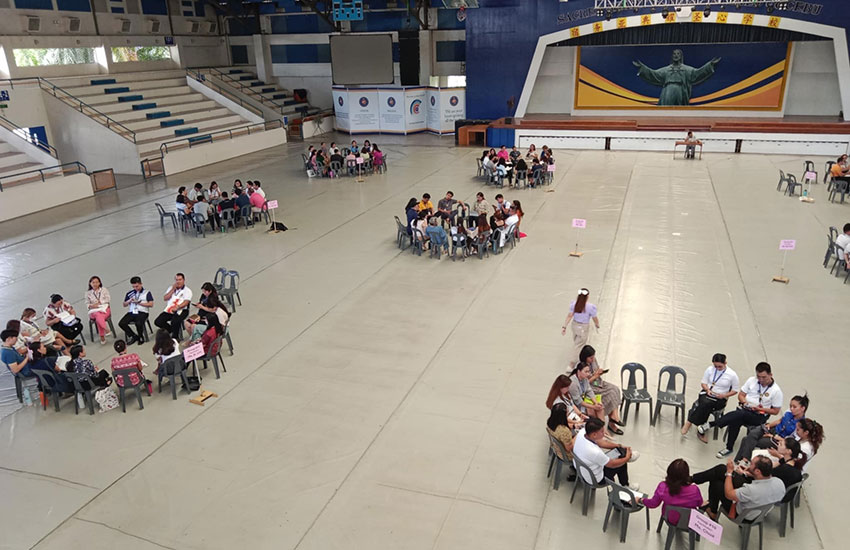
The aim is to promote high-quality human relationships across all Jesuit works – relationships that, inspired by the Ignatian charism, become a safe home for every child, young person, and adult, who in turn carry these experiences and ways of relating into the wider Church and other areas of society. This is another – and central – way of being ‘persons with and for others’.
PCCP combines this area of work with the animation and accompaniment of the activities carried out by safeguarding delegates in the Conferences and Provinces, work that is more focused on victim support, updating protocols and policies, case management, awareness-raising, and advancing knowledge about different types of abuse, among other areas.
We walk these paths guided by the Spirit, through spiritual conversation and by learning from so many people around the world, including victims, – within the Society of Jesus, the universal Church, and beyond – who demonstrate through their work and illustrate in their daily actions that advancing this mission is not only urgent for peace in the world but also possible.
*Fr John Guiney, SJ, is the Coordinator of the PCCP Project; Dr Sandra Racionero-Plaza, PhD, is the Associate Coordinator of the PCCP Project.

Related Posts:

The PCCP project originates from a mandate of General Congregation 36 (GC36) in 2016, which called on the Society to promote “a consistent culture of protection and safety for minors”. This commitment was further strengthened by the second Universal Apostolic Preference (2019), urging...

St. Xavier’s University, Kolkata (SXUK) is a Jesuit University in Kolkata, India. Established in 2017, and based on Ignatian principles of magis and cura personalis, the university carries forward the legacy of education by the Jesuits in India. With the vision to become one...

The Promotion of a Consistent Culture of Protection (PCCP) team, Fr John Guiney and Dr Sandra Racionero-Plaza, participated in a closed-door workshop, “Building Communities that Safeguard Dignity” organized by Tutela Minorum, the Pontifical Commission for the Protection of Minors...
The theme of safeguarding and the protection of minors stands today at the very heart of the Jesuit educational mission. More than a set of procedures, it represents a culture of care that draws deeply from Ignatian spirituality and pedagogy...

On the seventh day of the Meeting of Major Superiors of the Society of Jesus in Rome, the focus turned to a difficult but vital theme: building a culture of safeguarding. In both the Church and wider society, safeguarding has become a test of credibility and trust...
The Promotion of a Consistent Culture of Protection (PCCP) is a project established in the Society of Jesus to help fulfil the mandate entrusted to Fr General by the General Congregation 36 (2016), ‘to continue working with the Major Superiors...