Building sustainable structures for safeguarding from an Ignatian perspective
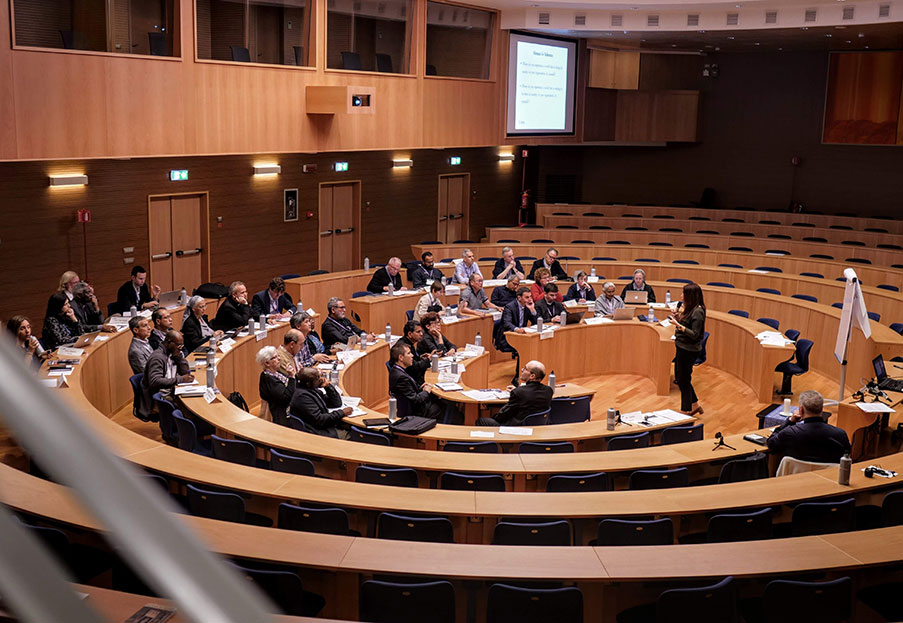
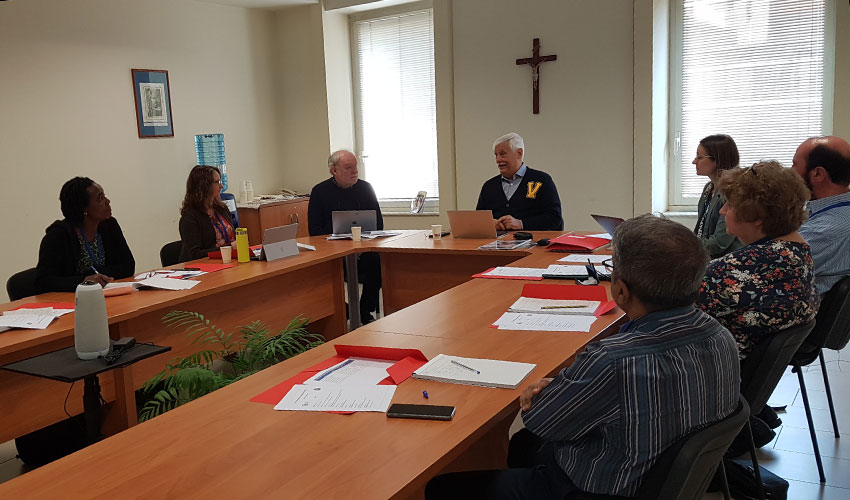
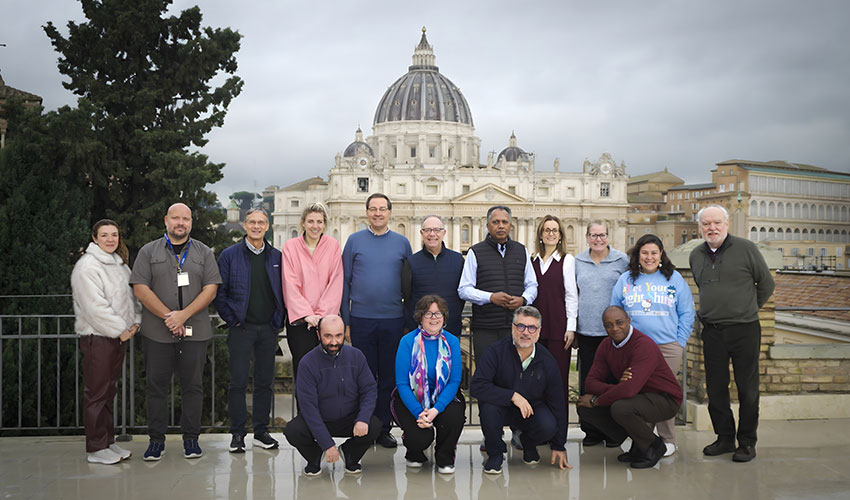
A training programme integrating Ignatian spirituality and scientific evidence to prevent and respond to abuse brought representatives from the six Jesuit Conferences and Fe y Alegría to Rome in March. From 10 to 12 March 2026, they met with members of the PCCP Advisory Council and the former and current Secretary for Secondary and Pre-secondary Education to consider how the “Safeguarding from an Ignatian Perspective” programme, within the Promotion of a Consistent Culture of Protection (PCCP), can be embedded more deeply and sustainably across the Society of Jesus.
A global commitment to safeguarding and protection
The PCCP project originates from a mandate of General Congregation 36 (GC36) in 2016, which called on the Society to promote “a consistent culture of protection and safety for minors”. This commitment was further strengthened by the second Universal Apostolic Preference (2019), urging concrete action to eliminate abuse, support victims, and ensure justice and healing.
A 2022 audit identified the need to move beyond protocols and policies toward cultivating that culture – not only for children and adolescents, but for adults as well. Since 2023, the PCCP project has been tasked by Father General with advancing this mission globally through formation and training programmes for Jesuits and lay partners across apostolic areas.
From pilot to global programme
The first pilot phase (the first of three planned courses) within the pre-secondary and secondary education apostolic area has concluded, with all six Jesuit Conferences and Fe y Alegría participating. The March meeting in Rome brought together key stakeholders to review the pilot’s global impact and explore sustainable structures for the future. A consistent culture of protection cannot result from a one-time workshop or seminar; it requires moving from theories and notions to transformed daily interactions across all institutions and works.
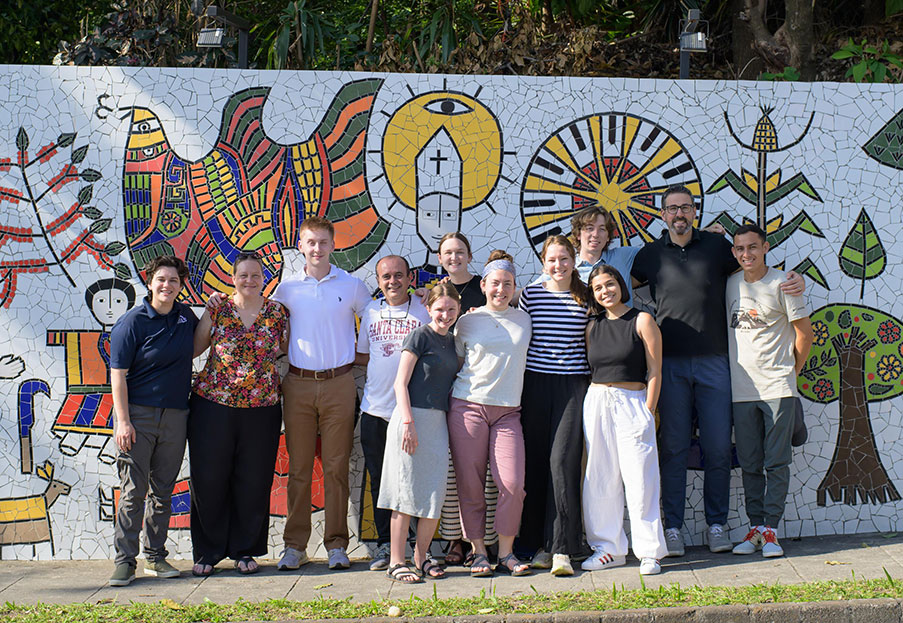
Participants included the Secretary of the Social Justice and Ecology Secretariat (SJES); the former and current Secretaries of the Secretariat for Secondary and Pre-secondary Education; the General Counsellor for Formation; and representatives from all six Jesuit Conferences and Fe y Alegría international. Also present was Educate Magis – the global apostolic online community of educators within the Jesuit Global Network of Schools — which hosts the PCCP training programme online alongside Fe y Alegría’s Escuela Virtual. Together, participants reviewed the experience of the training programme and worked toward a first draft of structures that could ensure its sustainability over time, while acknowledging regional particularities.
Outcomes of the meeting
Through collaborative reflection and discussion, participants identified the roles, coordination structures, and resourcing required to deliver the programme effectively, and explored how it can be sustained, measured, and continuously improved. This work will inform a proposal to Father General on establishing enduring PCCP structures across apostolic areas.
Three days of reflection and planning
Day 1: Review of the pilot phase
The meeting opened with reflections on the pilot phase and the need for sustainable structures. Dr Sandra Racionero-Plaza presented key research findings on the programme’s global impact. The data were highly positive, evidencing significant transformations at personal and institutional levels – particularly in regions that followed the school model of implementation. Participants then shared experiences from their own regions, including moving testimonies of life-saving changes in vulnerable contexts. Fr José Mesa, SJ, closed the day with an insightful presentation on potential models for the sustainability of PCCP training programmes.
Day 2: Developing sustainable structures
Building on Fr Mesa’s proposed models, participants engaged in group work to explore how PCCP programmes can be sustained across diverse contexts. Discussions focused on balancing universal frameworks with local adaptation, and on clarifying roles and responsibilities.
Day 3: Consolidating proposals for sustainability
The final day was devoted to consolidating insights into a practical draft structure for the long-term sustainability of PCCP training and formation programmes. Further conversations at various levels will now be needed to advance the proposal.
Toward sustained implementation
What began as a service supporting policies, protocols, and basic training has evolved into a project that collaborates with provinces and networks to foster a sustained culture of protection. Training and formation programmes are central to that mission.
Beyond the formal sessions, the gathering fostered meaningful dialogue and collaboration. Participants described the experience as “grace-filled” and affirmed a shared commitment to strengthening safeguarding and protection practices worldwide.
Further updates on future pilot phases and the PCCP programme will be shared on the project webpage in the coming months.

Related Posts:
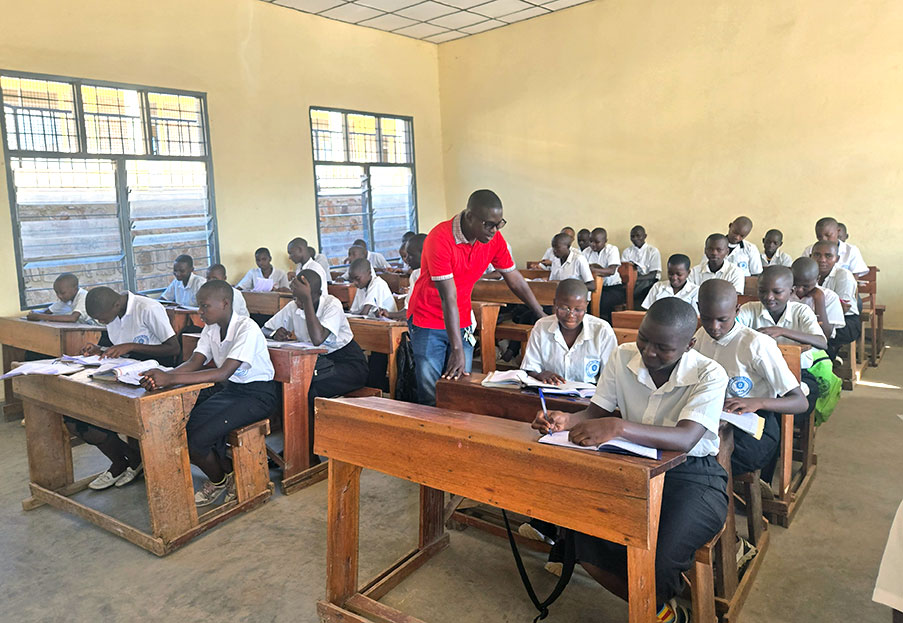
École Fondamentale Saint Louis de Gonzague was built to give every child space to be included, to live and learn alongside others, and to recognize their dignity as human beings. When the Jesuits founded the school in September 2004, in a region greatly affected by...
The General Curia of the Society of Jesus launches its brand-new Webinars’ Calendar. After being in pilot mode for the last two years, these meetings have proved to be incredibly useful, with sometimes up to 600 people taking part from all around the globe. The idea is to provide ongoing formation...
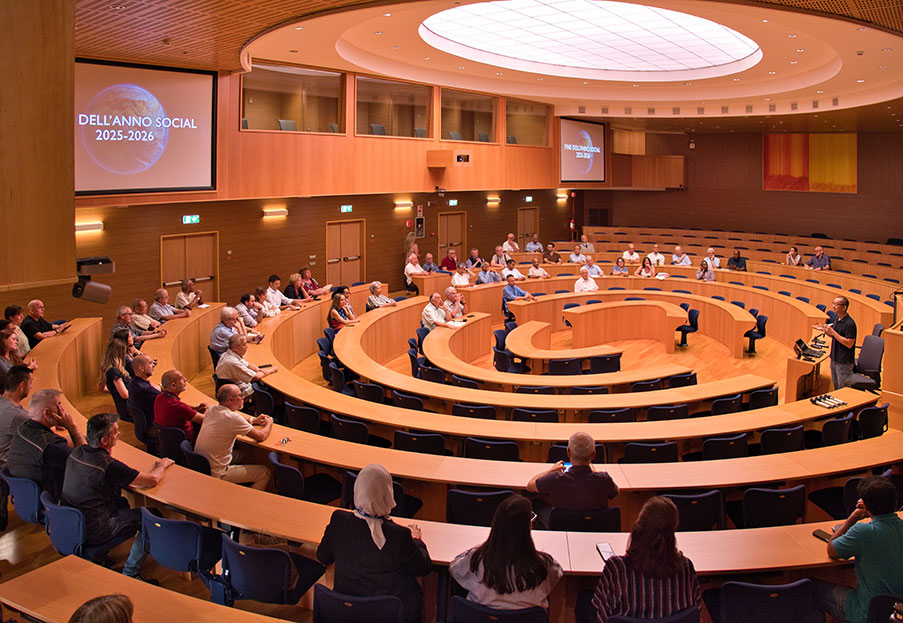
The General Curia concluded its social year with a gathering in the Aula on 19 June that brought together the Jesuit members of the Curia community and the lay collaborators that jointly sustain its administrative operations...
As the Society of Jesus prepares for the II Congress JESEDU-Montreal 2027, a global process of review, discernment, and foresight is now underway. This initiative seeks to evaluate how the shared vision for Jesuit education has been implemented across the worldwide network of...

The Enlarged Council brought together the Secretaries of the Apostolic Sectors, General Counsellors, General Treasurer, Presidents of Conferences, and other officials at the Curia to examine a central question: How to increase and deepen collaboration across apostolic...

The Secretary for Secondary and Pre-secondary Education, with great joy and gratitude, announces that Fr Hugo Gómez Sevilla, SJ, a Jesuit leader with a wealth of valuable international leadership experience building networks, pastoral sensitivity, and a deep commitment to Jesuit education...