The Jesuit PERCH for Others
Ministering to Refugees & Asylum Seekers in Malaysia
Only by being a man or woman for others does one become fully human
With that simple phrase Fr Pedro Arrupe, SJ, set the tone for how future generations of Jesuits, and those who value Ignatian Spirituality, see a life of ministry. Believing that it is not enough to simply do good deeds, Fr Arrupe urged people of good will to minister in relationship with others. This transforms our work from “charity” to “solidarity” – from a good deed to a ministry that protects and cherishes the dignity of all, especially for the most vulnerable among us.
More than 50 years later, Fr General Arturo Sosa, SJ, has experienced the ministry of PERCH (Professional Education for Refugees and Communities at Hope) – a fruit of that ministry encouraged by his predecessor. Established by the Jesuits of Malaysia and Singapore, the “Blessed Peter Favre, SJ Refugee Convalescence Home” provides medical care to refugees and asylum-seekers in Malaysia. Founded in the mining town of Batu Arang, where immigrants first came in the 1900’s to work the mines and plantations, PERCH is a place of convalescence and respite for the displaced of Myanmar, Thailand, Pakistan, Afghanistan, Sri Lanka, China, Vietnam and scores of other countries, most of whom lack legal status and have limited options for medical care. PERCH has become a practical expression of Ignatian spirituality by accompanying the most vulnerable at the very margins of society.
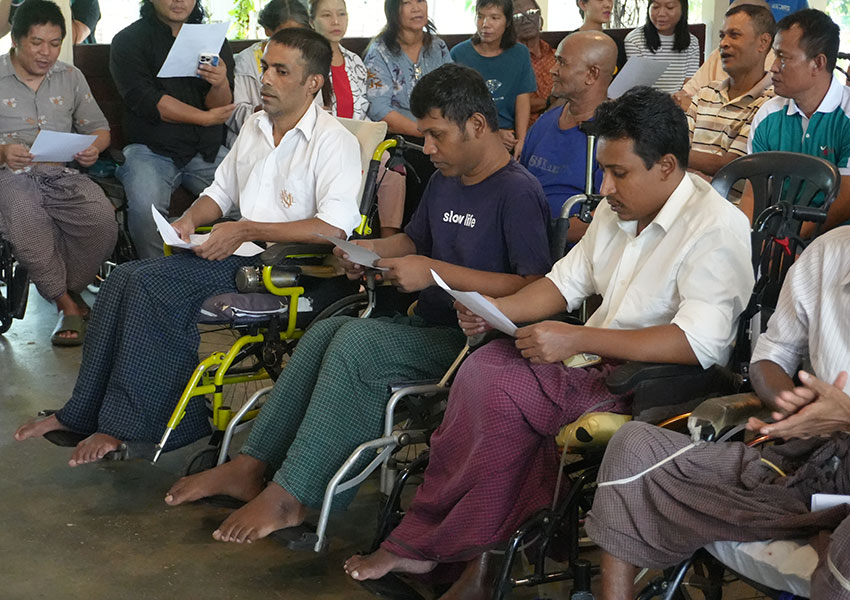
PERCH is open to men, women and children, with a maximum capacity of 40 residents. Unfortunately, the absence of private quarters means that PERCH is unable to accommodate families. Residents are referred from local clinics, partner agencies, or the UN. From broken bones and infections, to leprosy, cancer and strokes, PERCH takes as many as they can treat in the facility. For those who risk trying emergency services in Malaysia, they find that care only treats symptoms, often leaving the underlying cause undiagnosed as they are discharged as soon as legally possible.
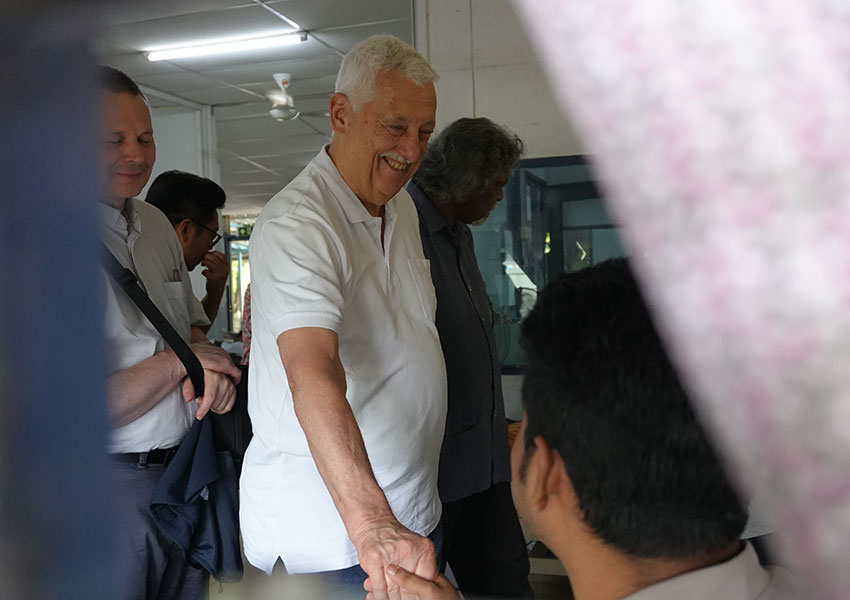
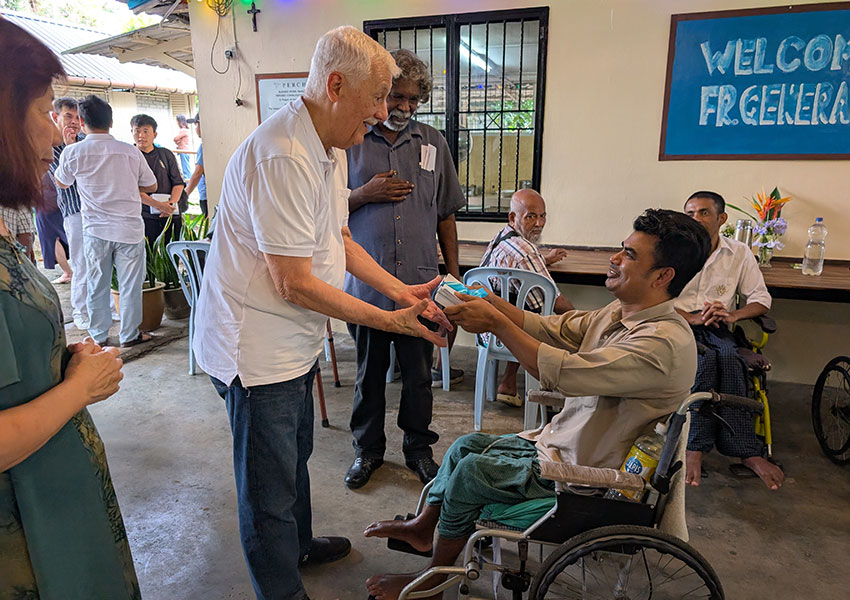
Fr General toured the facility for men and met each resident with a smile, a handshake and prayer. He met people like Hein Soe, a 72 year old from Myanmar suffering from suspected prostate cancer who has been a resident of PERCH for more than 10 months as he awaits access to a test that will determine the course of his life. Or Rohimullah, a 52 year old who was abandoned by his children after suffering a stroke. He knows they had no choice, but now he spends most of his day sitting in his bed, holding a deep sadness. Or Jolil, a young Rohingya who lived with undiagnosed Crohn’s disease for so long that his affliction has now become a permanent, crippling disability. From bed to bed, Fr General, accompanied by medical staff and a translator, listened to their stories and they offered their thanks: grateful to know that somebody outside of PERCH saw them as people, rather than just refugees.
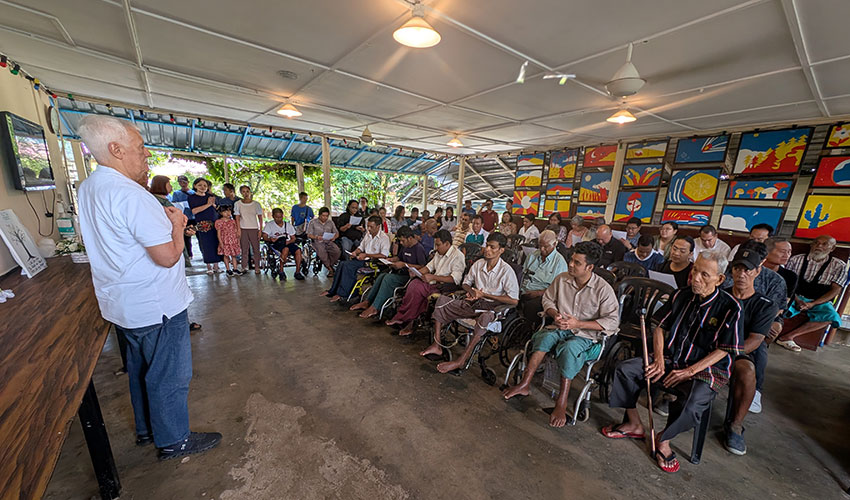
After meeting the residents and touring the rough, but working physical rehabilitation equipment, Fr General listened to the testimonies of the volunteers, supporters and medical personnel who make up the staff. Sometimes choking back tears when describing their experience of working with the residents for more than 2 decades, they told Fr General of the hardships that refugees face on a daily basis.
One explained her brushes with, “grass roots hate”: fear and loathing of immigrants grounded in lies and pseudo-patriotism that often becomes physical violence. Another explained how many of the residents didn’t understand how simple wounds could have been be easily treated – meaning that by the time they arrive at PERCH it is not uncommon for a routine illness to have become life-threatening. Simple infections turn into amputations. Broken bones become gangrenous and septic. Still another described how refugee families are doxed by those who encourage others to disrupt schools that teach immigrant children. Every person had a story that usually ended with an expression of distress: the feeling that the world has forgotten, or chosen to ignore, those who most need the help of people of good will.
Fr General’s visit to PERCH also brings to the forefront an uncomfortable fact about such programs around the world. With the dramatic suspension of foreign assistance programs in 2025, projects like PERCH are struggling to continue their humanitarian efforts. Jesuit Refugee Service (JRS), the international relief organization run by the Society of Jesus, reported that the sudden halt to U.S.-supported humanitarian funding disrupted projects serving more than 100,000 refugees in multiple countries, particularly in education, psychosocial care, and emergency assistance, while forcing the organization to seek emergency replacement funding. Although PERCH’s financial structure differs from JRS programs the tightening of purses around the world has led to the shuttering of hundreds of humanitarian aid programs that serve the most vulnerable. An insurmountable challenge, for those who already live at such a great disadvantage.
Despite these challenges, PERCH continues to embody the Jesuit conviction that every person deserves dignity and respect. Rooted in Ignatian values, supported by dedicated staff, and sustained by volunteers and benefactors, PERCH embodies the ideal of being men and women for others.

Related Posts:
On a sunny mid-week day in Kuching, Fr General Sosa visited St. Joseph’s Private Secondary School (SJPS) where the Jesuits of the Malaysia-Singapore Region work as teachers and administrators. Currently, Fr Stanley Goh is the Rector, while Fr Francis Lim served as the first...
“Malaysia and Singapore are two nations with shared histories but divergent trajectories. While both countries are multicultural and multireligious, their distinct socio-political climates – Malaysia’s constitutional Islam and Singapore’s pragmatic secularism – shape the struggles...”
The Caring for Community and Creation (CCC) project was initiated by the Jesuit Conference of Asia Pacific (JCAP) in 2022 to address poverty and ecology as identified in the JCAP apostolic plan. The project has three specific objectives, one of which is strengthening communities through...
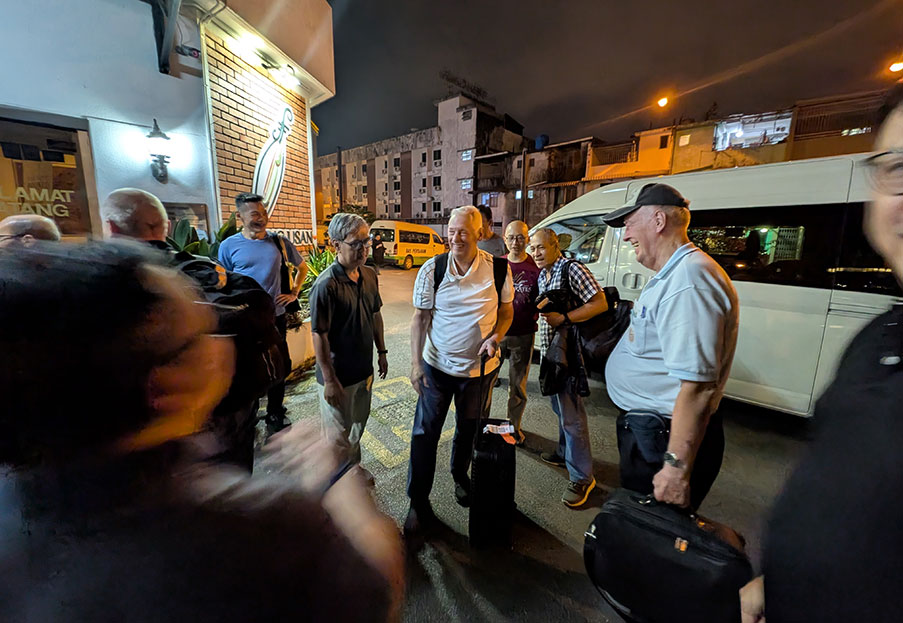
Fr Arturo Sosa, SJ, arrived in Kuching, Malaysia to begin his 5th apostolic visitation of the Jesuit Conference of Asia Pacific (JCAP). With a full schedule of meetings and travel between different Jesuit ministries and communities in Malaysia, Thailand and Indonesia...
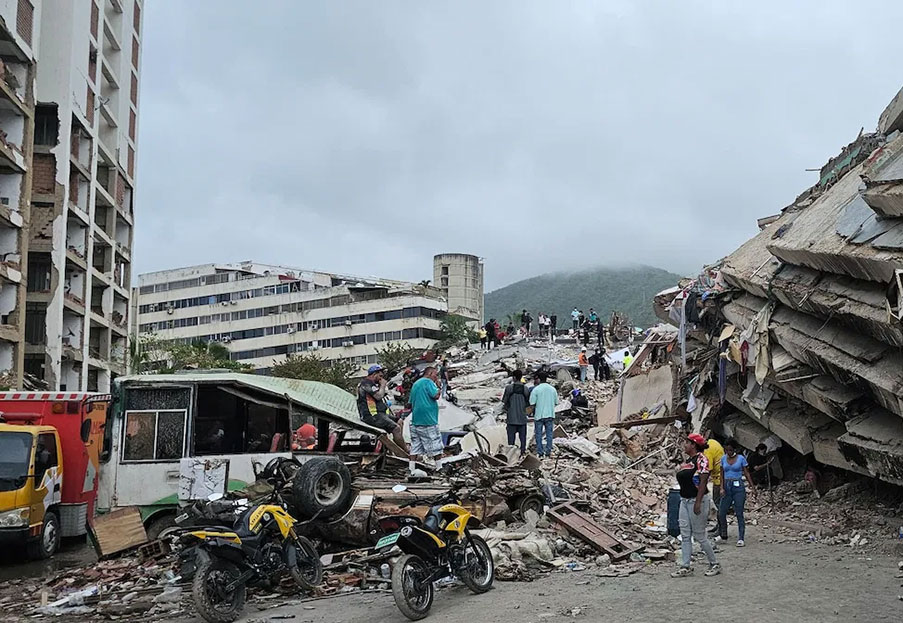
A series of powerful earthquakes have struck Venezuela on 24 June, causing widespread destruction across affected communities and leaving thousands of people in urgent need of assistance...
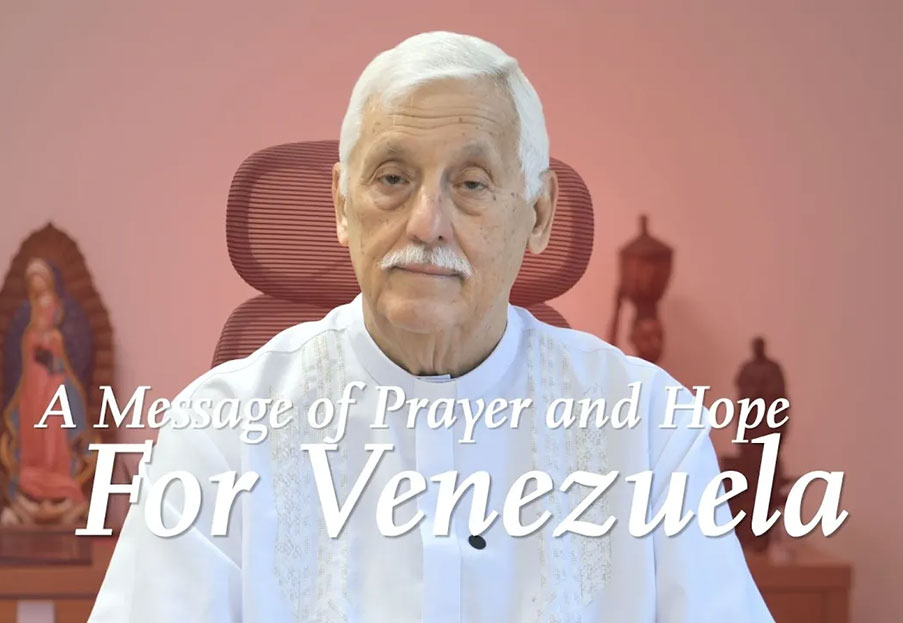
As Venezuela begins the difficult task of recovering after two strong earthquakes that claimed lives, left many missing and caused widespread destruction, Father General Arturo Sosa has sent a message of closeness and hope to the Venezuelan people.