A man of conviction, a General of peace
It’s a blue-sky morning in Nagatsuka, Japan during the summer of 1945. At 8:10am, two Jesuit priests greet each other after morning prayer in their residence on the campus of the Jesuit Novitiate and Theologate. As they prepare to guide the scholastics through the prayers and lessons of the day, a warm, moist wind blows through the house, hinting at the hot, humid day approaching. The Jesuit in charge, the Master of Novices and Vice-Rector of the community, asks questions about house maintenance and the wellbeing of his charges. Five minutes later, as the two Jesuits take a moment to enjoy the quiet of the morning, their attention is drawn to a flash on the horizon. The Jesuit superior rushes to the front door just as a wall of noise and wind knocks him to the floor, breaking windows, ripping doors off their hinges and caving-in walls. As he recovers his senses, he rises to his feet and sees a massive cloud of angry fire slowly rising from the center of the city.
The time is 8:15am.
The date is 6 August 1945.
The place is Hiroshima.
The Jesuit is Fr Pedro Arrupe, SJ.
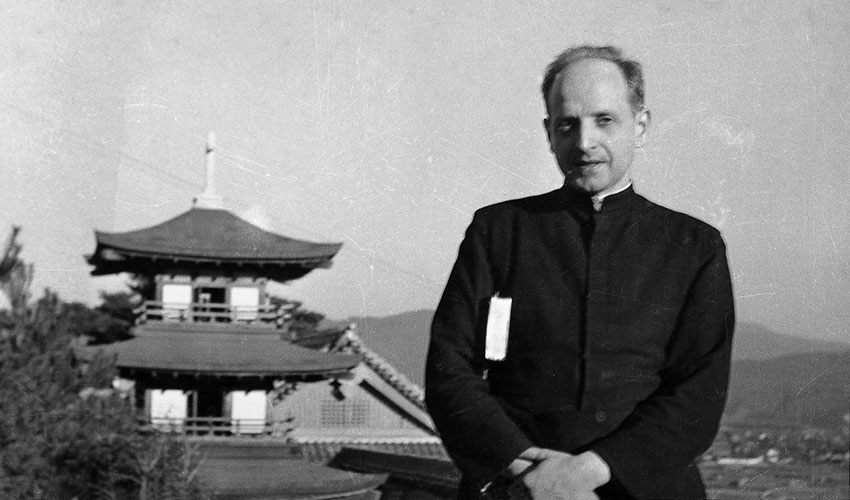
Long before Arrupe was proclaimed a “Servant of God”, or elected as the 28th Superior General of the Society of Jesus, he was a Spanish Jesuit who spent 27 years as a missionary in Japan. He started his ministry on 7 June 1938 after spending ten years petitioning Fr General Wladimir Ledóchowski for the assignment. Over the course of the next seven years, Arrupe would learn Japanese in Hiroshima, pastor a congregation in Yamaguchi, suffer detainment for being a foreigner in Japan during World War 2, be appointed Master of Novices and Vice Rector in Nagatsuka, and make his profession of final vows... All before that morning in August when his city was destroyed by the first atomic bomb dropped in anger.
Located at the edge of Hiroshima, the campus was spared the worst of the devastation, but Arrupe detailed in his journal the horrors that were to come: “a group of young women, eighteen or twenty years old, clinging to one another as they dragged themselves along the road ... On and on they came, a steady procession numbering some 150,000. This gives some idea of the scene of horror that was Hiroshima.”
As survivors approached, Arrupe rallied the Jesuits to turn the campus into a makeshift hospital, then used his medical training, which he had completed two decades prior, to treat the wounded. “To cleanse the wounds it was necessary to puncture and open the blisters. We had in the house 150 people of whom one-third or one-half had open wounds.” The work continued for days, then weeks before Arrupe conceded that it wasn’t enough to treat survivors making it to the edge of the city.
“There were some 120,000 wounded to care for ... in the city there are 50,000 bodies which, unless they are cremated, will cause a terrible plague. In light of these facts, a priest cannot remain outside the city just to preserve his life. Of course, when one is told that in the city there is a gas that kills, one must be very determined to ignore that fact and go in. And we did. And we soon began to raise pyramids of bodies and pour fuel on them to set them afire.”
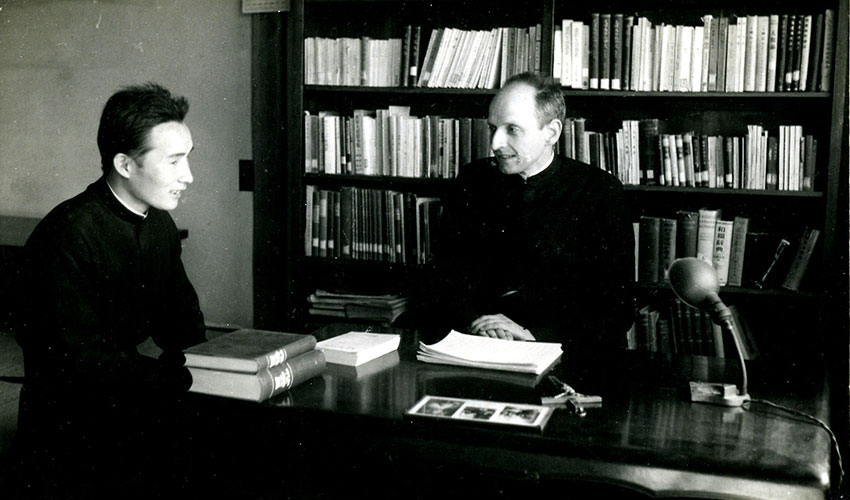
Arrupe would go on to spend another two decades in Japan during which time he would become Vice-Provincial, then the first Provincial of Japan. He raised funds to rebuild the Japanese mission and under his leadership the Province grew to 300 Jesuits from 30 different nations. His charism and humility was so striking that on 22 May 1965 he was elected the 28th Superior General of the Society of Jesus.
Though he moved to Rome, those years in Japan – especially his experience in Hiroshima – would continue to guide his prayer and ministry for the rest of his life. From the establishment of Jesuit Refugee Services (JRS), to recommitting the Society of Jesus to serve the poor, forgotten and marginalized, those days of horror and grace set the tone for the leadership of the man who has been called “the second founder of the Society of Jesus”.
As Fr Arrupe moves toward potential beatification and canonization, it is good to remember that the Jesuit who experienced so much pain and tragedy, was a fervent believer in grace and forgiveness. The priest who preached healing was willing to sacrifice himself to protect others and alleviate their suffering. The General who had seen the worst of war, became one of the Church’s strongest advocates for peace.

Related Posts:
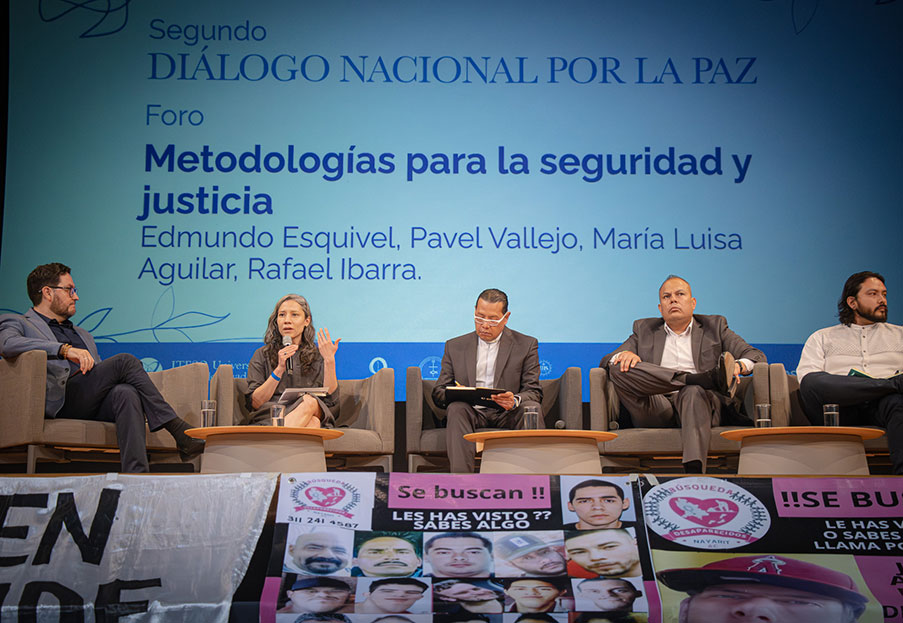
“Peace cannot be decreed or imposed: it is built and woven thread by thread.” With this conviction, expressed by Fr Luis Gerardo Moro Madrid, SJ, Provincial of the Society of Jesus in Mexico, the Second National Dialogue for Peace was inaugurated at ITESO, a Jesuit university in Guadalajara...
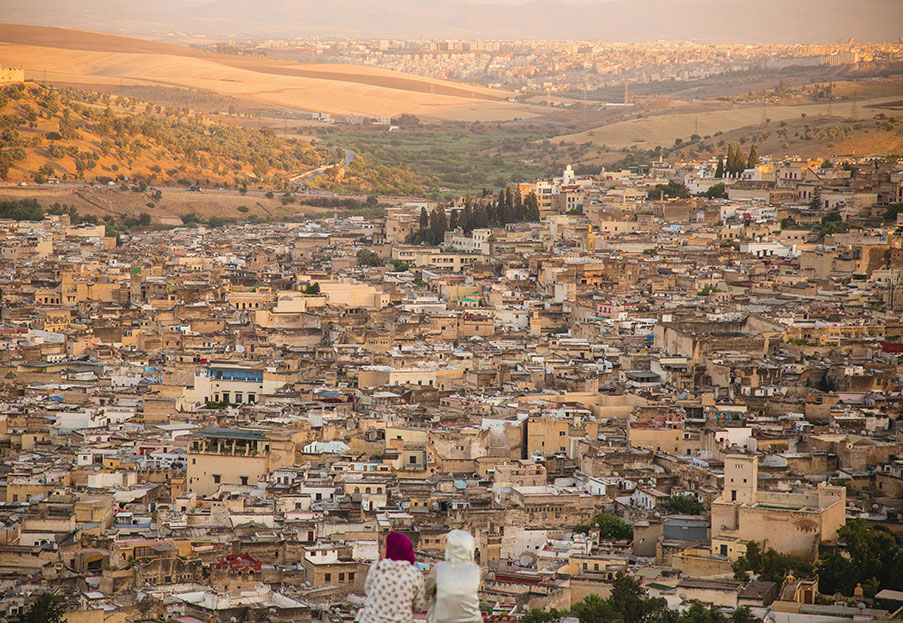
The following article was written with information provided by Fr Michael Zammit Mangion, SJ – the Provincial of the Near East and Maghreb Province since 2020. He provided an on-the-ground testimony of Jesuit relief efforts in Lebanon.
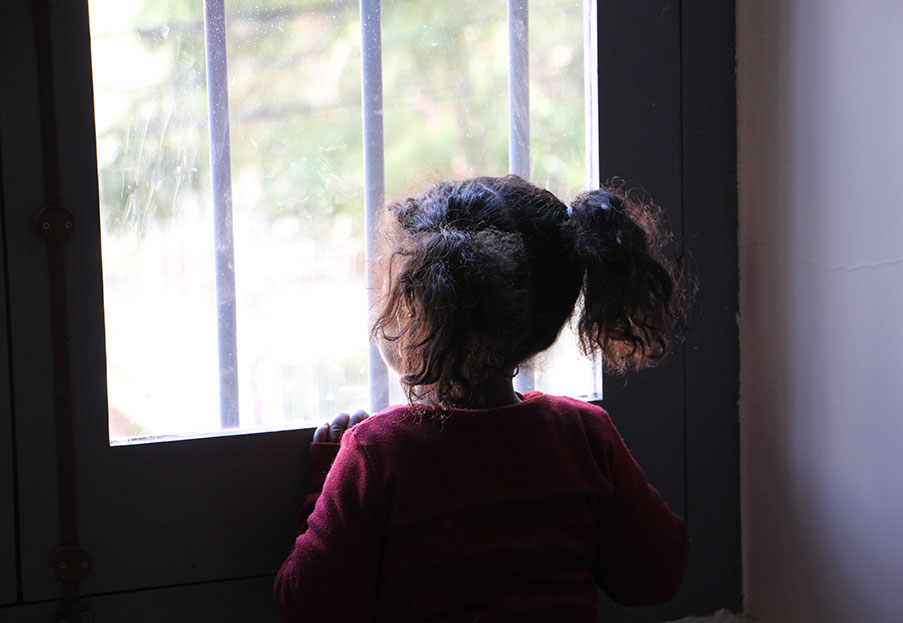
Recent military operations in the Middle East have triggered widespread violence across the region. Missile and drone attacks in multiple countries are once again resulting in civilian casualties and forcing mass displacement of families, with leaving their homes in search of safety...
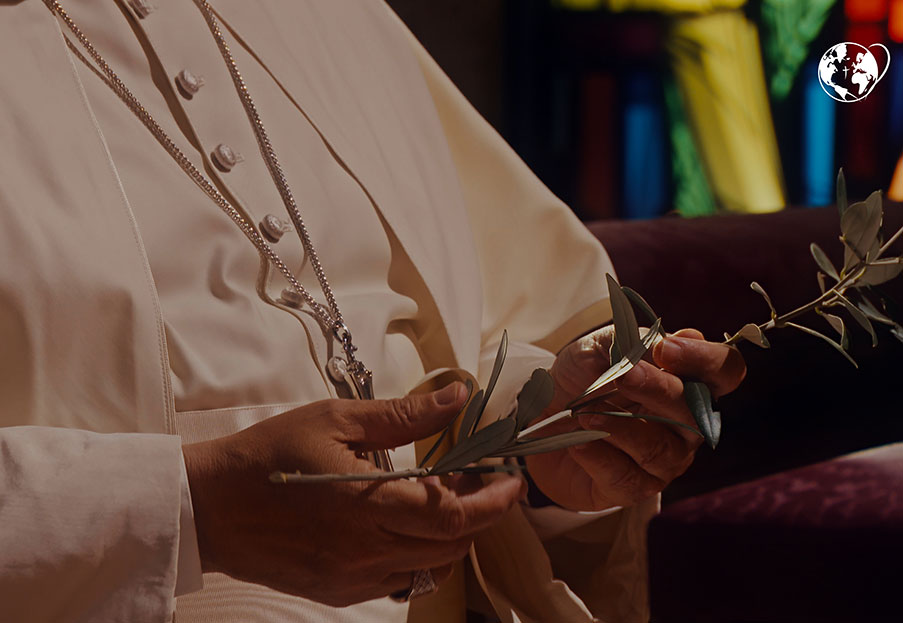
The Holy Father’s prayer intention for the month of March invites nations to opt for dialogue, diplomacy, and disarmament.

“Why pray for peace if God, who has our best interests at heart, knows what we need? The insights of the Buddhist tradition and the solidarity between us all represented by the communion of saints in the Catholic tradition offer some possible answers...”

“Dear companions, as we approach the light at the end of Advent, we are called to moments of solemn reflection: times when we acknowledge not only the grace and blessings we have received this past year, but also the shadows and challenges – not just for us alone as individuals, but as a worldwide family...”