Praying for Peace
By Gregory Sharkey, SJ | USA East
Province – Secretariat for the Service of Faith
[From “Jesuits 2025 - The Society of Jesus in the world”]
Why pray for peace if God, who has our best interests at heart, knows what we need? The insights of the Buddhist tradition and the solidarity between us all represented by the communion of saints in the Catholic tradition offer some possible answers.
In a world afflicted by war and conflict we are urged to pray for peace. That the world needs peace is self-evident; yet there seems to be something paradoxical here. What is the point of our prayer? If God is all-loving and knows our needs better than we know them ourselves, God will give us what we need without asking, no? Surely God does not need to be persuaded to care for us any more than a newborn child must persuade its mother to love it. Clearly, we do not pray in order to “change God’s mind”, or to convince God to be kinder or more generous. That would seem to contradict our very understanding of God.
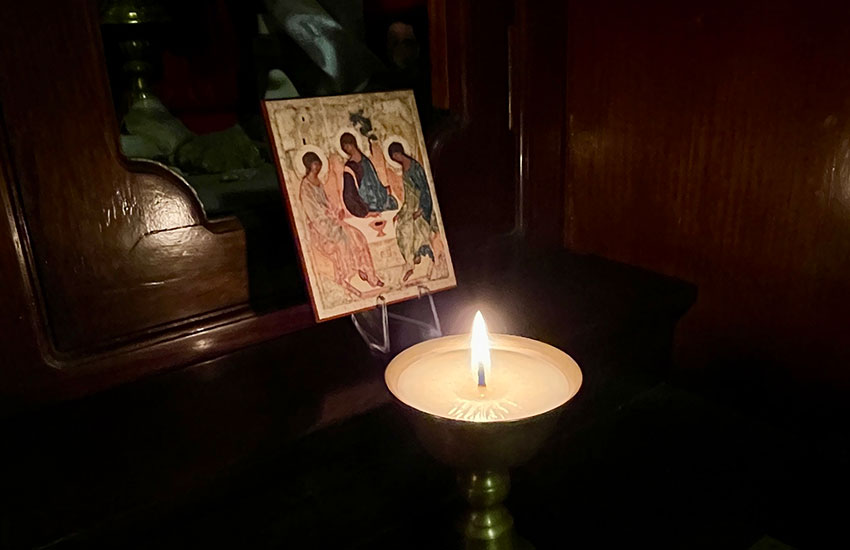
Yet we have the example of Jesus, who prayed for others and taught us to pray for what we need. We place intercessions at the heart of the liturgy, coming right after our profession of faith. We assure others that we will remember them in prayer, and we trust that this prayer is meaningful and not wishful thinking.
In genuine prayer we lift our minds and hearts to God, to use St John Damascene’s famous words. We turn our awareness to a God who is always present. Prayer in this case is more a matter of listening and abiding, and not so much a matter of words. We strive to make room for God’s spirit to fill us, displacing the mundane, self-focused concerns that usually pre-occupy us. In this calm and silent space, we can dwell in God’s constant loving presence and let ourselves be drawn into closer union. How does this kind of prayer fit with intercession? How can we have a mature understanding of intercessory prayer that is not a “transaction” in which we trade our prayer in exchange for peace, or healing, or whatever good we seek?
For most of my life as a Jesuit I have been immersed in the world of Buddhism, especially of the Mahayana variety. Looking at the way Buddhist friends understand prayer prompts me to consider my own beliefs from a fresh perspective. Rather than promising to “pray” for someone or something, they speak of “offering aspirations”. That is, they voice a hope and bring to mind a worthy intention, held within the larger desire to cultivate universal compassion.

The most basic and universal Buddhist aspiration is expressed in the words “May all beings be happy”. Buddhists believe that all of one’s good deeds, thoughts and intentions can generate a positive effect, known as merit. Merit can be dedicated to the welfare and happiness of all beings, living and dead. This, in turn, is rooted in the belief that all things are interconnected and interdependent. All that exists arises from prior causes and conditions. The merit generated by generosity, goodwill and compassion, then, can be an influence for good in this world.
There is a strong resonance here with our own belief in the communion of saints, the union of all believers, living and dead, forming one body with Christ as head, and in which “the good of each is communicated to the others”, as the Catechism of the Catholic Church teaches. The prayer of the saints on earth is united with the “cloud of witnesses” who have gone before us. Specific petitions may provide a focus for prayer. They take their meaning, however, in the constant abiding in this communion of love, wherein which we hold the needs of others, of the Church, and of the world in our hearts as we open our hearts and minds to the Lord in prayer.

Related Posts:
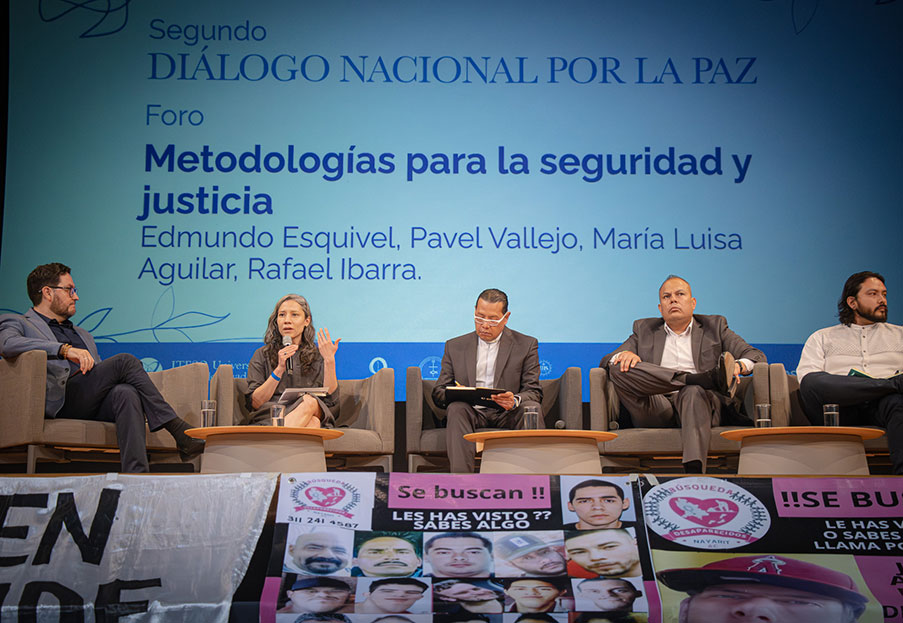
“Peace cannot be decreed or imposed: it is built and woven thread by thread.” With this conviction, expressed by Fr Luis Gerardo Moro Madrid, SJ, Provincial of the Society of Jesus in Mexico, the Second National Dialogue for Peace was inaugurated at ITESO, a Jesuit university in Guadalajara...
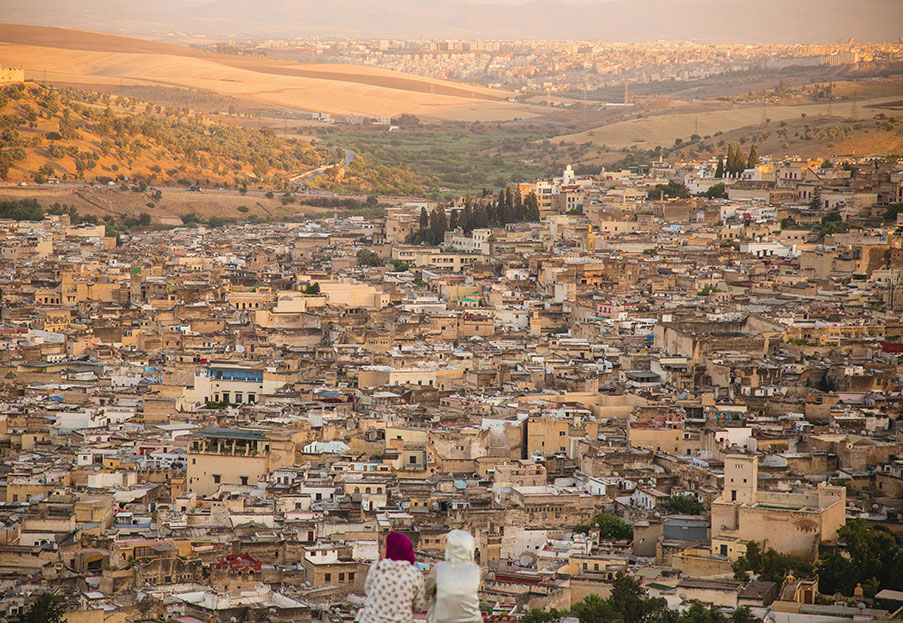
The following article was written with information provided by Fr Michael Zammit Mangion, SJ – the Provincial of the Near East and Maghreb Province since 2020. He provided an on-the-ground testimony of Jesuit relief efforts in Lebanon.
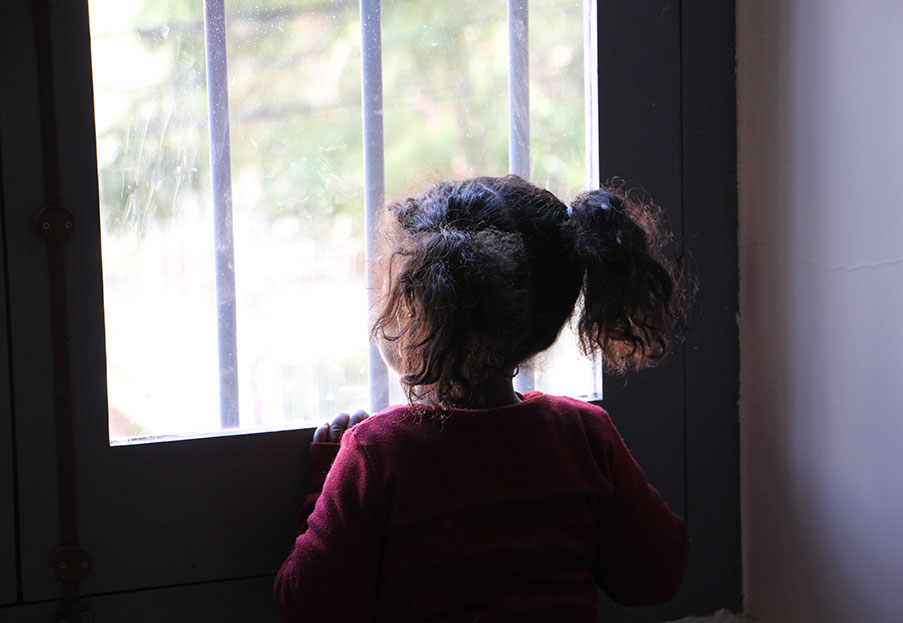
Recent military operations in the Middle East have triggered widespread violence across the region. Missile and drone attacks in multiple countries are once again resulting in civilian casualties and forcing mass displacement of families, with leaving their homes in search of safety...
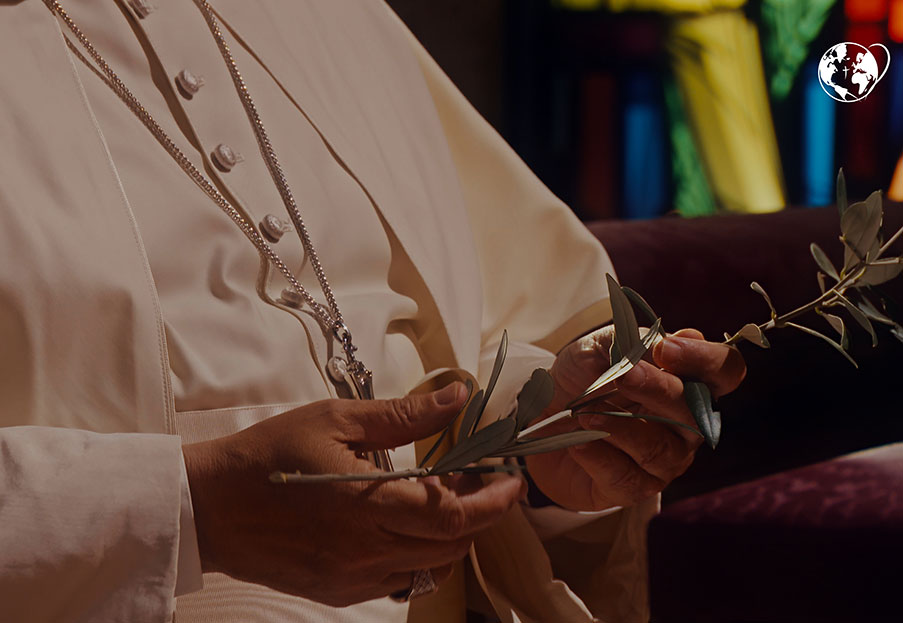
The Holy Father’s prayer intention for the month of March invites nations to opt for dialogue, diplomacy, and disarmament.

“Dear companions, as we approach the light at the end of Advent, we are called to moments of solemn reflection: times when we acknowledge not only the grace and blessings we have received this past year, but also the shadows and challenges – not just for us alone as individuals, but as a worldwide family...”

In 2021, JWL responded to students’ and graduates’ numerous requests for higher education in the Sinjar region and, in collaboration with Nadia’s Initiative, opened a learning centre in Sinuni, followed by a second one in Sinjar City in 2022. JWL’s Peace Leader programme...