Solidarity with South Sudan: Building peace through education, resilience and renewal
By Zaoro Hyacinthe Loua, SJ, Executive Director of Solidarity with South Sudan
South Sudan is a country that, after decades of civil war, gained independence in 2011. It has a population of over 13.4 million people, comprising 60 indigenous ethnic groups, each with its own language and customs. The economy is primarily based on agriculture and oil production.
Since gaining independence, the world’s youngest country has faced immense challenges, including ongoing civil conflict, economic instability, corruption, and a lack of basic infrastructure such as roads and healthcare facilities. It has also been grappling with a severe humanitarian crisis since civil conflict broke out in 2013, displacing much of its population (2 million internally displaced persons and 2.29 million refugees from South Sudan).
It is against this socio-political context that “Solidarity with South Sudan” – an initiative of the International Union of Superiors General (UISG) and the Union of Superiors General (USG) – was created. This Catholic initiative was launched in 2008 in response to a request from the Catholic bishops of Sudan. It focuses on strengthening the capacity of South Sudanese people to become teachers, registered nurses, midwives, farmers, and pastoral workers. The goal is to empower South Sudanese to build a more just and peaceful society.
In 2018, South Sudan’s leaders signed a peace agreement in an effort towards peace. Following this agreement, a transitional government was formed in 2020, with Salva Kiir Mayardit as president and five vice presidents. This power-sharing arrangement is centred around two people, President Salva Kiir and First Vice President Riek Machar. A new era of hope and peace began. In addition, on 5 February 2023, Pope Francis’ apostolic visit to Juba was seen by South Sudanese as a source of hope and peace.
Despite peace agreements and progress already made, the issue of peace remains acute. Today, the ongoing localized wars in the country are believed to be a consequence of tensions between the president and the first vice president. Following the latter’s arrest, political and religious leaders expressed their deep concern about the worsening security and political crisis in the country. In fact, the Metropolitan Archbishop of Juba, Cardinal Stephen Ameyu Mulla, urged citizens, in the light of the risen Christ, to commit themselves to the path of reconciliation: “The journey towards lasting peace requires us to lay down the burdens of the past, heal the wounds of division, and build relationships of trust and mutual respect”, he said.
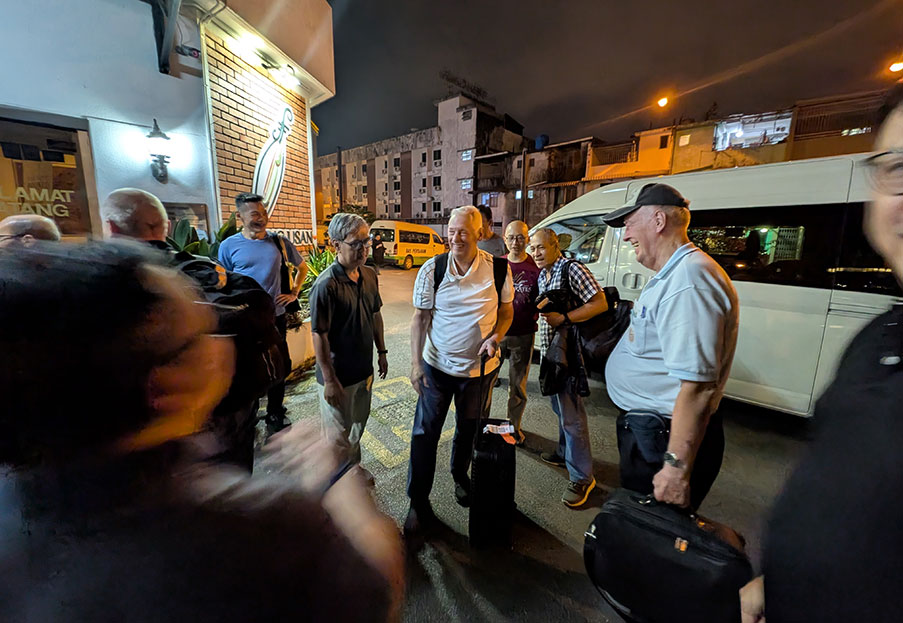
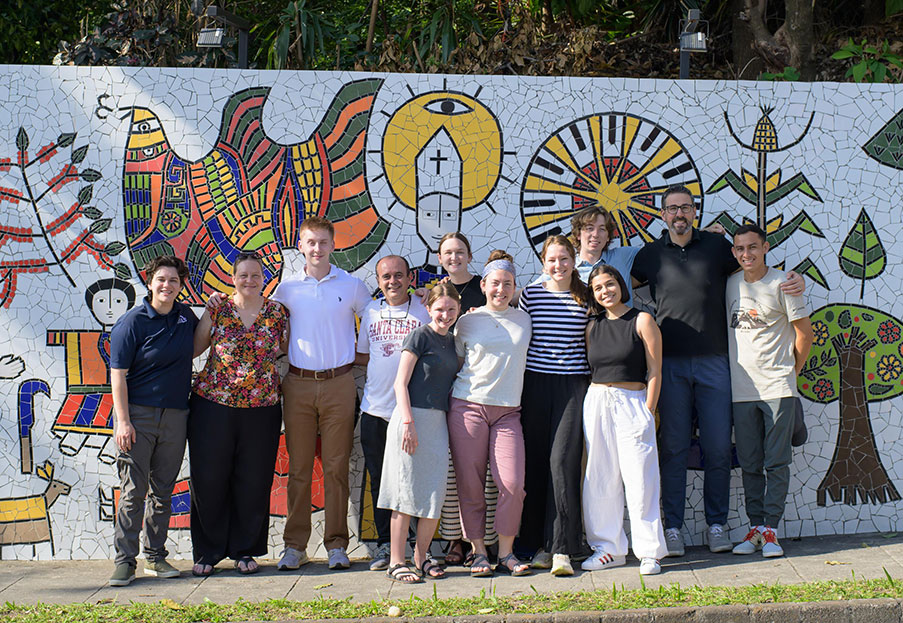
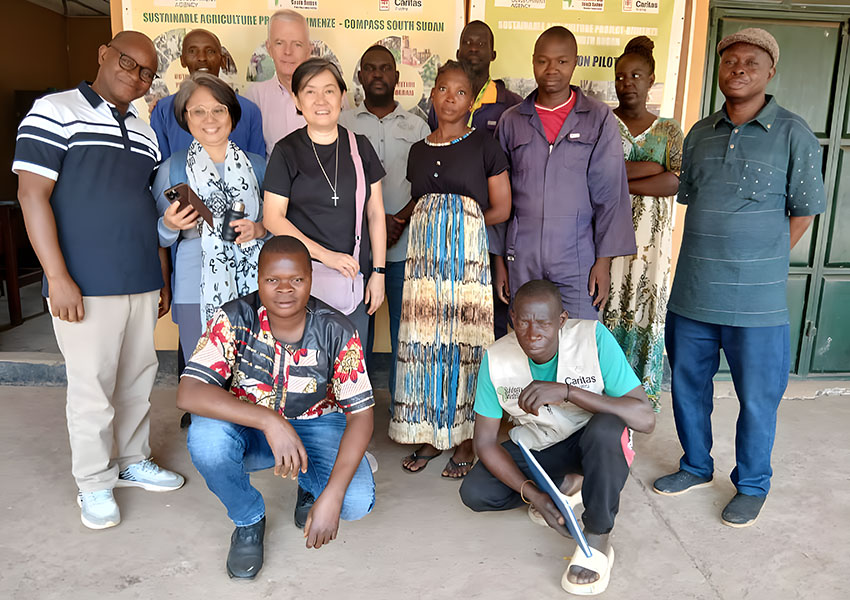
It is in this fragile context that “Solidarity with South Sudan” carries out its mission. It has taken root in the country, creatively combining the talents, capacities, energies, and charisms of more than 260 religious congregations (including the Society of Jesus). There are currently 22 staff members offering their time and talents to the Solidarity project. They come from 13 different countries, include religious and lay people, and represent 16 Catholic religious congregations.
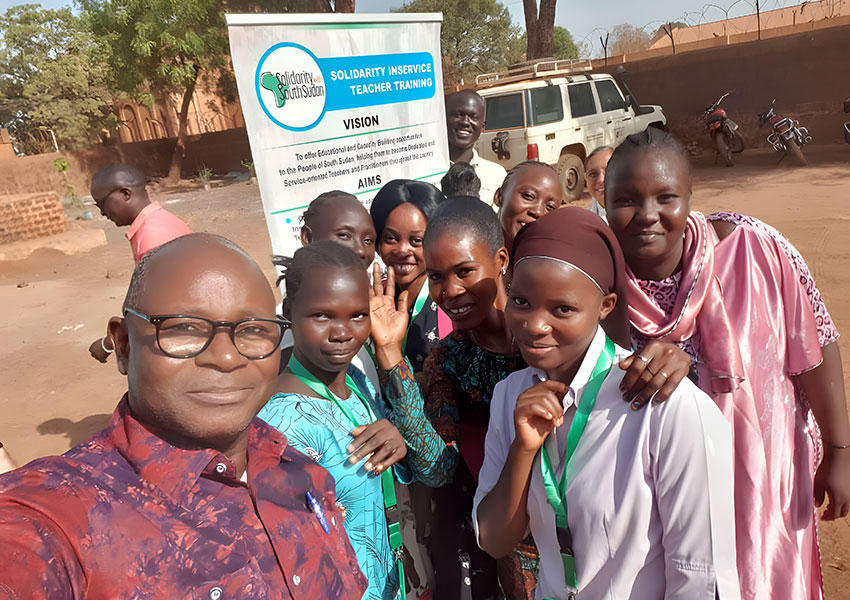
Solidarity’s mission is structured around four key areas: Pastoral training (catechist training projects, trauma healing project); Health (Catholic Health Training Institute (CHTI) in Wau; Education (Solidarity Teacher Training College (STTC) in Yambio and Sustainable agriculture and food security in Riimenze. In addition to these four areas of activity, Solidarity positions itself as a space for innovative religious life and even a new model of ministry and collaboration between religious and lay people in the service of the poor. Solidarity communities experience interculturality and solidarity in an ethnically divided and violent social context.
Since its creation in 2008, Solidarity has had a significant impact in South Sudan, training 886 primary school teachers, 393 nurses and midwives, more than 1,700 pastoral workers and community members, and more than 2,700 farmers. Despite ongoing conflict, Solidarity has remained in the country throughout repeated cycles of civil war and ethnic conflict, continuing its grassroots work while responding to emergencies: helping thousands of people affected by violence and conflict.
This is a Catholic organization that needs the support of all those who want to fight for respect for human dignity in South Sudan. It is a country that is suffering, but its people show extraordinary resilience and hope for the future. It is a privilege to be here.
Related Posts:
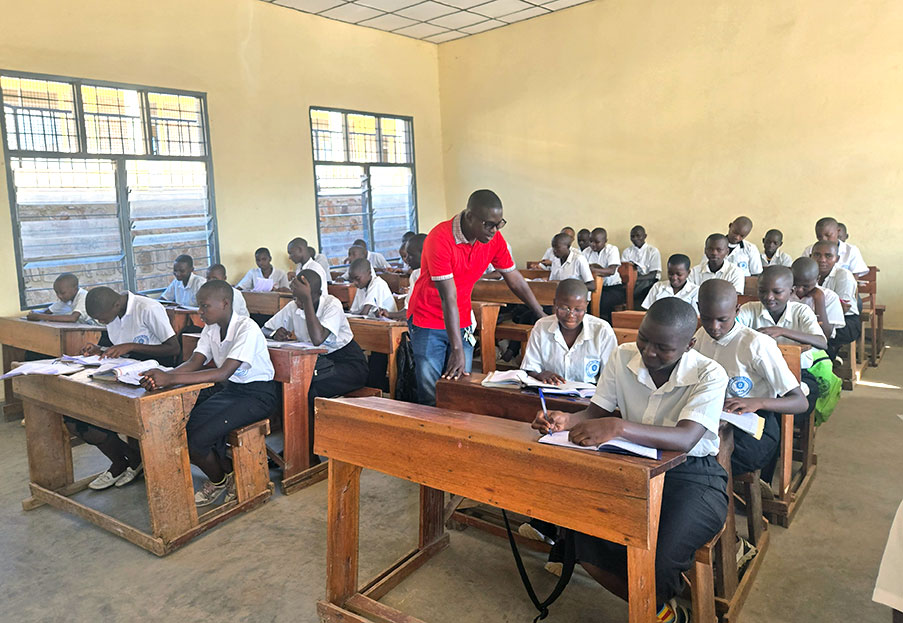
École Fondamentale Saint Louis de Gonzague was built to give every child space to be included, to live and learn alongside others, and to recognize their dignity as human beings. When the Jesuits founded the school in September 2004, in a region greatly affected by...
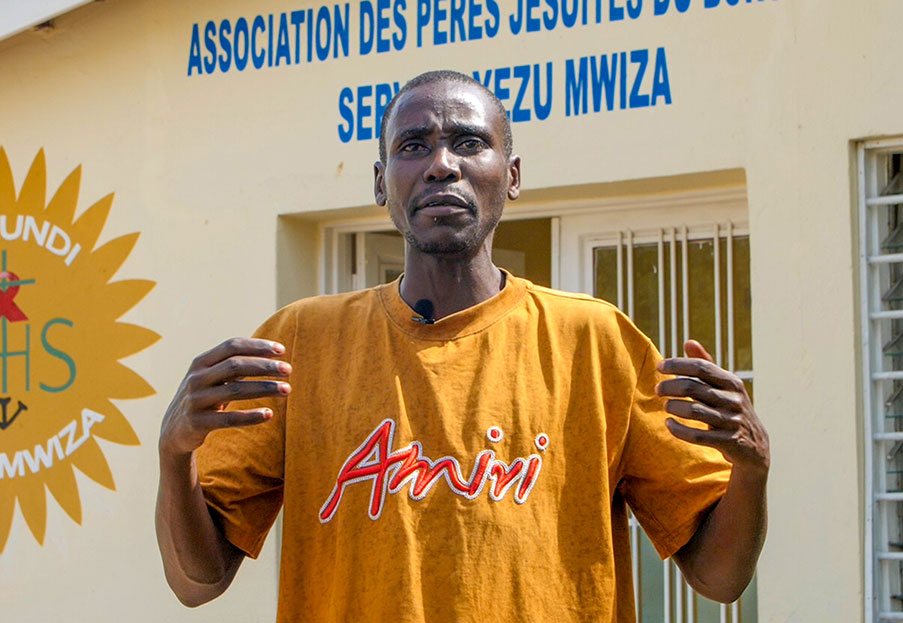
Service Yezu Mwiza (SYM) is a Christian, socio-medical organization dedicated to fighting HIV/AIDS, tuberculosis, and malaria, while promoting holistic healthcare and social justice. Founded in 2008, it operates as a prominent reference centre under the care of the Jesuits in Burundi...
As the Society of Jesus prepares for the II Congress JESEDU-Montreal 2027, a global process of review, discernment, and foresight is now underway. This initiative seeks to evaluate how the shared vision for Jesuit education has been implemented across the worldwide network of...

The Secretary for Secondary and Pre-secondary Education, with great joy and gratitude, announces that Fr Hugo Gómez Sevilla, SJ, a Jesuit leader with a wealth of valuable international leadership experience building networks, pastoral sensitivity, and a deep commitment to Jesuit education...
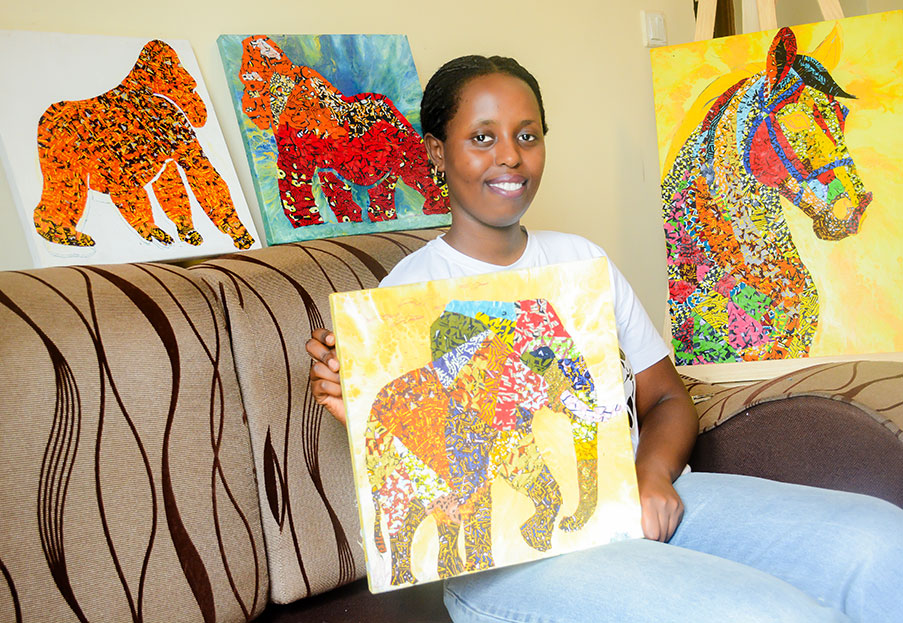
Rwanda’s youthful population holds great potential, yet nearly one in four young people are not in employment, education, or training, according to the 2025 Labour Force Survey. In response to this situation, the Jesuit Urumuri Centre (JUC), a social initiative of the Jesuit Rwanda-Burundi Province...
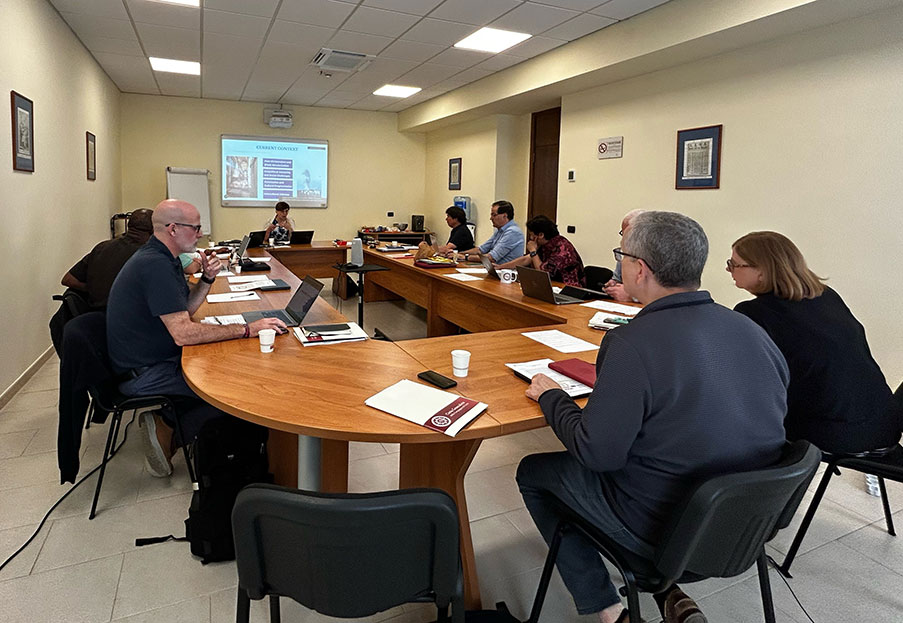
The ICAJE (International Commission on the Apostolate of Jesuit Education) and JGNS (Jesuit Global Network of Schools) Board meeting took place from 26 May to 29 May 2026, bringing together leaders of the global Jesuit educational apostolate to reflect on shared priorities...