The Inaugural Pope Francis Memorial Cup: lighting a spark
By Tom Casey, SJ, Chaplain, & Conor McCrossan, Transition Year Co-ordinator, Gonzaga College, Dublin, Ireland
On a golden Friday afternoon in Dublin, something unusual stirred at Gonzaga College. Yes, there was the usual hum of pre-match jitters and adolescent bravado, but there was also something softer, rarer. There was a heartbeat of belonging, belief, and the thrill of purpose.
The date was 10 May, and what unfolded on those sun-drenched pitches was no ordinary school tournament. This was the birth of the Pope Francis Memorial Cup. And it may have sparked something far greater than friendly rivalry.
In a country where religion often feels like yesterday’s news, the Cup didn’t pretend to fix the Church. The Cup wasn’t a sermon disguised as sport. No one was guilt-tripped back into the pews. But for a few sun-drenched hours, it did something arguably more miraculous: it helped faith feel alive again.
Three Jesuit schools, Gonzaga, Clongowes, and Belvedere, came together for the first time in living memory to compete on the soccer field. They came together not for debate or doctrine, but for football. They came together for the inaugural Pope Francis Memorial Cup, the world’s first soccer tournament named in honour of the late Pope Francis.

Each school fielded two teams of 16-year-olds, brimming with nerves, banter, and belief in something bigger than themselves. The Jesuit secondary schools in Limerick and Galway have been cordially invited to enter the fray next year: let them be warned!
The tournament was named in honour of the late Pope Francis, who loved football the way only a true fan can: religiously. A San Lorenzo supporter from his boyhood days in Buenos Aires, he knew that the beautiful game isn’t just about goals. The beautiful game is about grit, grace, and getting up when you fall.
And so, it felt right that his spirit found a second half in Ireland: a football tournament among students formed in the same Jesuit tradition that shaped him. The matches were fast, fiery, and occasionally fantastically chaotic. There were surprise comebacks, acrobatic saves, mistakes met with shrugs, and a few glorious goals that probably deserve their own hymn of praise.
It was the kind of football Pope Francis would have loved: joyful, messy, and so human.
But the real victory wasn’t on the scoreboard. It floated somewhere just above the pitch: the quiet realization that this is what faith can feel like. Not a burden, but a blessing. Not a rulebook, but a revelation. Faith not preached, but played.
Because let’s be honest: in Ireland today, many people, especially the young, carry complex, often painful feelings about religion. Scandals, silence, and shame have taken their toll. Faith, once the cornerstone of Irish identity, now often feels like something left behind in a church cemetery.
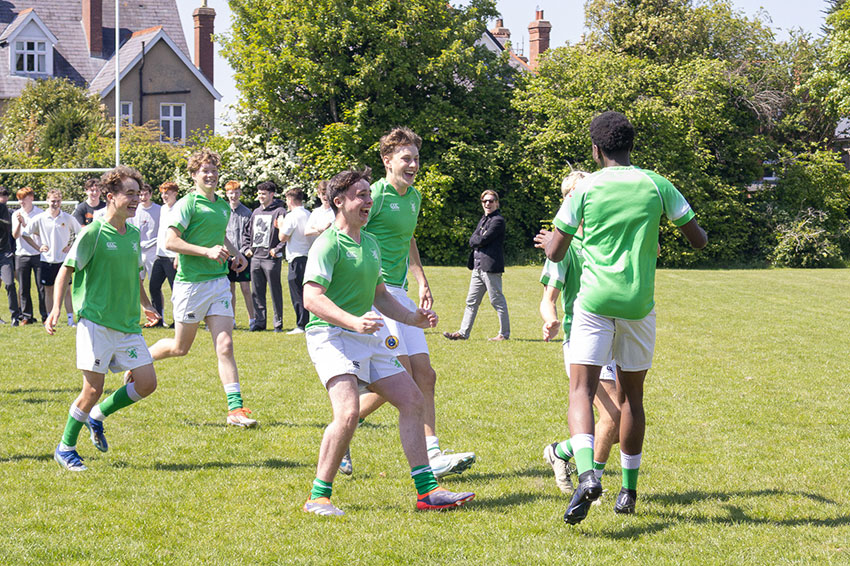
But no one on that field was asked to declare a creed. They were only asked to show up, play hard, and keep passing the ball. And through that, something sacred stirred, not in thunder or incense, but in laughter and teamwork and the squeak of boots on grass.
It wasn’t a religious revival. Nothing as grandiose or dramatic as that. But this Cup offered something gentler, and please God, something that will last. Faith, not as lecture, but as laughter. Not as guilt, but as grit. Not as silence, but as song. Football was the language, but the message was bigger. That joy and faith are not opposites. That community is sacred, even if the setting is a grassy pitch instead of a glorious cathedral.
When the final whistle blew and Belvedere College lifted the trophy, there were no losers, just tired legs, muddy socks, and a shared sense of something good. Something remembered. Yes, they’ll all recall who won. But more than that, may they remember how it felt. How it felt to belong, to be seen, and to matter.
In honouring a Pope who saw football as a sacrament of the street, the Pope Francis Memorial Cup offered more than medals. The Pope Francis Memorial Cup offered a spark.
And for young people searching for meaning, a spark is sometimes all it takes.
Related Posts:
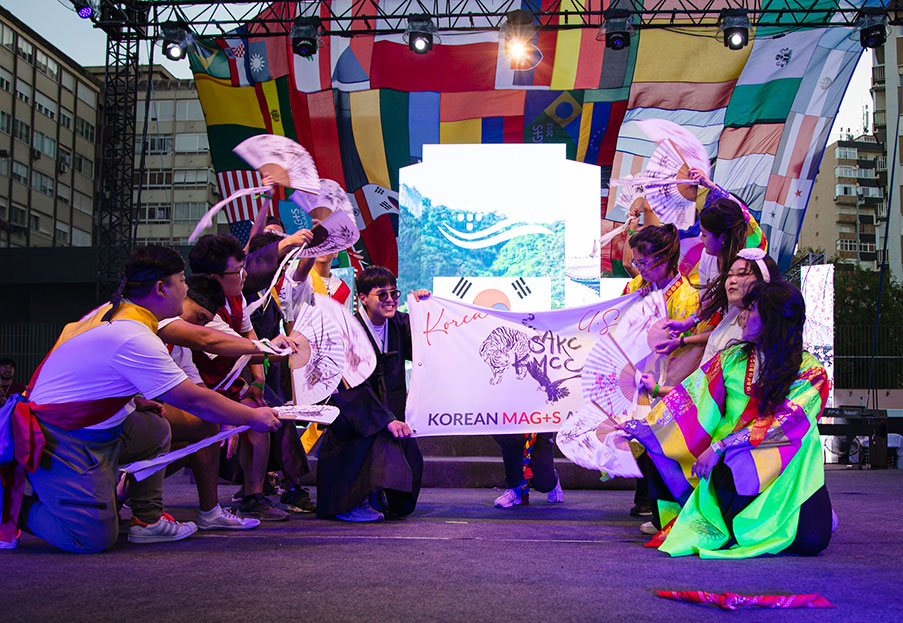
Excitement is building for MAGIS Korea 2027, the international gathering that will bring young people from across the Ignatian family to Korea ahead of World Youth Day in Seoul. A recent online information session, led by Fr Hakjoon Lorenzo, SJ, General coordinator of MAGIS Korea...
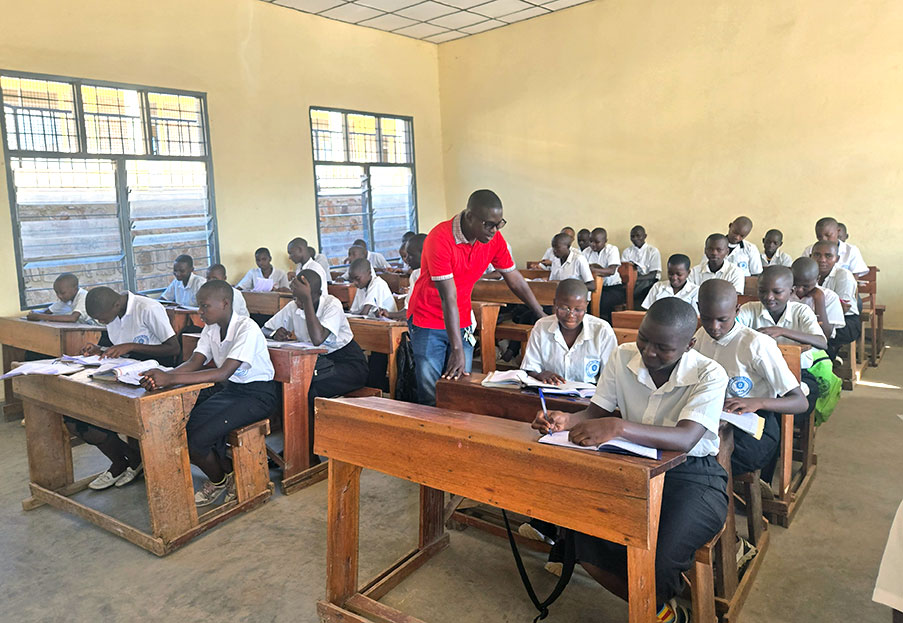
École Fondamentale Saint Louis de Gonzague was built to give every child space to be included, to live and learn alongside others, and to recognize their dignity as human beings. When the Jesuits founded the school in September 2004, in a region greatly affected by...
As the Society of Jesus prepares for the II Congress JESEDU-Montreal 2027, a global process of review, discernment, and foresight is now underway. This initiative seeks to evaluate how the shared vision for Jesuit education has been implemented across the worldwide network of...
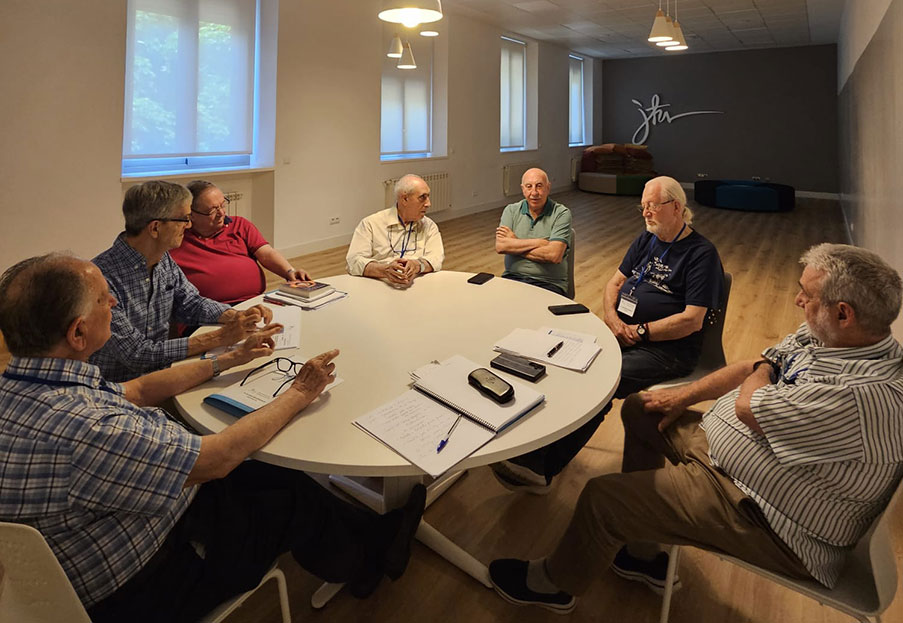
From 23 – 31 May, the Delegation for the Elderly of the Spanish Province organised the third edition of the formation course for elderly Jesuits at the Jesuit House in Salamanca. The program brought together 24 Jesuits aged between 70 and 85, with one or two participants in their 90s...

“Since the third Universal Apostolic Preference was given to us, I have spent time discerning how the General Curia can help to move it forward. I didn’t want to set up a heavy structure. I didn’t think a Secretariat here in the Curia was needed. In the end, I opted for a light network structure...”

The Secretary for Secondary and Pre-secondary Education, with great joy and gratitude, announces that Fr Hugo Gómez Sevilla, SJ, a Jesuit leader with a wealth of valuable international leadership experience building networks, pastoral sensitivity, and a deep commitment to Jesuit education...