Arrupe Migrant Center in Beirut: to gather, to pray, to play
By Michael Petro, SJ | USA East Province, Serving
in the Near East Province
[From “Jesuits 2025 - The Society of Jesus in the world”]
When sport helps to create opportunities of gatherings, recreation, promotion of women, friendship and interreligious links, all-in-one at Arrupe Migrant Center at the Jesuit St Joseph Church in Beirut.
On any Sunday at the Jesuit St Joseph Church in Beirut, it is easy to forget exactly where you are. Migrant workers from the Philippines, Sri Lanka, and all over Africa join South Sudanese refugees and Lebanese neighbours to spend their day at the Arrupe Migrant Center (AMC), housed on the first floor of the church.
Migrants face serious challenges in Lebanon, stemming from a system that excludes them from basic rights under labour and immigration law and relies on private enforcement. Nevertheless, the creativity, courage, and fortitude of migrant communities continue to be a source of grace. Building on this, Jesuits developed the AMC as a community of communities, offering space and support to migrant-led organizations and providing services and pastoral accompaniment to migrants and refugees. Two leaders from the Sri Lankan community, Fernando and Chandrani, offer a window into this grace filled environment and the diversity of migrant experiences in Lebanon.
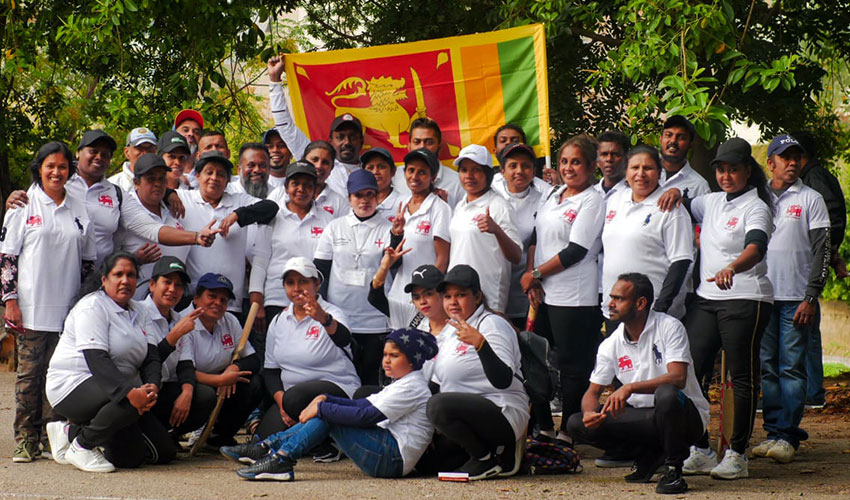
Although Fernando Sugath is an active parishioner, for him Sunday means mostly one thing: cricket. Fernando is a Sri Lankan migrant worker and the driving force behind the cricket league now based at the AMC. The community began over a decade ago when Fernando and some friends gathered in empty parking lots to play. Made up of migrants, the league often found itself on the move. With no space of their own and little public space available in Lebanon, migrant workers struggle to find places to gather, pray, or play together. In each new lot, they met property owners and authorities that would expel, harass, and even arrest players. The league always had to move again. Finally, after sorting out initial legal challenges, the AMC began sponsoring the league in 2022 with a permanent space in the church lot.
The cricket is important on its own ‒ free time and recreation are vital in a labour system that overworks, isolates, and erodes the agenda of migrants. But other things are starting to happen on and off the pitch. While the league began with only men, Fernando quickly began pushing for women’s teams. Now, half a dozen women’s teams compete regularly, including a group of Filipina domestic workers who discovered the sport in Lebanon. For many women, it is the first time in their lives that they have been able to join in the traditionally male-dominated sport. Amazingly, teams have also emerged across national and ethnic conflicts. Here in Lebanon, united Indian-Pakistani and Sinhala-Tamil teams bridge divides from feuds and wars back home. Cricket goes a long way in Lebanon. Now, the league’s model is inspiring new JRS planning for sports-based and community-led programming ‒ offering a truly mutual relationship with the Jesuits.
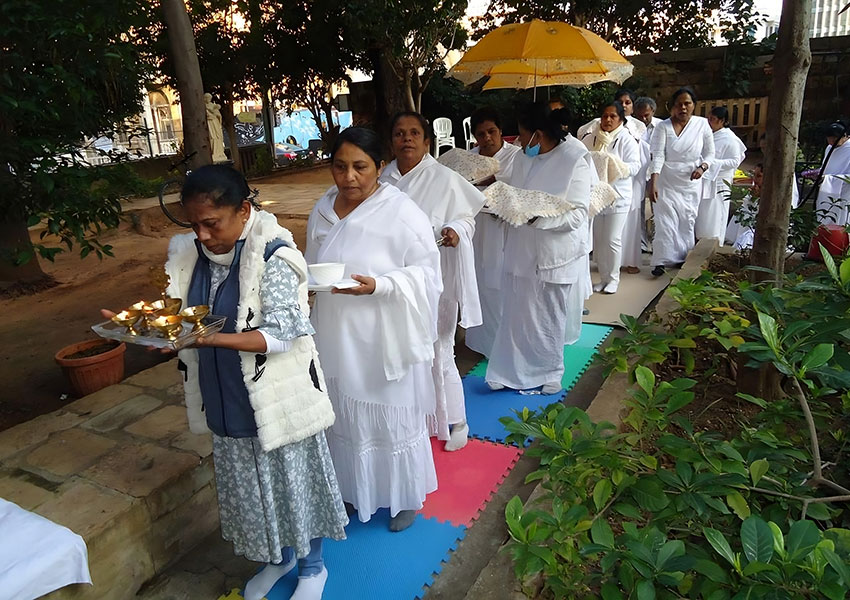
Across the church parking lot, another unlikely gathering also takes place every Sunday. Several dozen members of the Sri Lankan Buddhist community gather for prayer in their own temple space, nestled in the church beneath a set of JRS offices. Chandrani Varnasingha, a domestic worker and the community’s leader, spent over a decade searching for a place to pray ‒ from apartments to libraries ‒ before meeting the AMC. Chandrani fondly recounts each of the Jesuit priests ‒ Martin McDermott, Theo Vlugt, and more ‒ who welcomed the group and made the church an unlikely home for the Buddhist community. Now members describe the prayer rooms as their home, giving back by hosting monthly over 200 Buddhists and non-Buddhists alike to share a meal. Welcomed by Jesuits, the Buddhist community is empowered to build its own spaces of encounter in the AMC.
Collaborating with the Jesuits and staff of the AMC, Fernando and Chandrani have been agents of grace amid the difficulties of migrant life in Lebanon.

Related Posts:
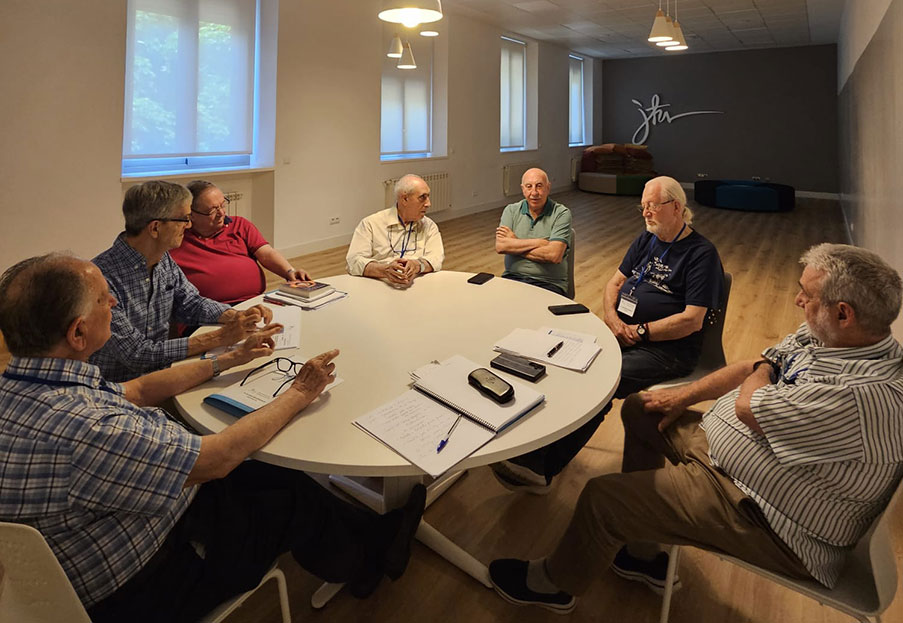
From 23 – 31 May, the Delegation for the Elderly of the Spanish Province organised the third edition of the formation course for elderly Jesuits at the Jesuit House in Salamanca. The program brought together 24 Jesuits aged between 70 and 85, with one or two participants in their 90s...

In April 2026, Pope Leo XIV made the first-ever papal visit to Algeria. Two weeks later, Father Arturo Sosa, SJ, Superior General of the Society of Jesus, travelled to Algeria to visit the small Jesuit community there for the first time since his election in 2016. The land of St Augustine, bishop of Hippo...

Father General Arturo Sosa has appointed Father Bart van Emmerik, as the Regional Superior of the Independent Region of the European Low Countries (ELC). Fr van Emmerik currently serves as the socius of the ELC Region and as delegate for spirituality...

When, in March 2013, a Jesuit appeared on the balcony of St Peter’s Basilica, Clara Sayans could not have imagined how profoundly his pontificate would transform her faith and her life’s work. In this deeply personal reflection, she traces her journey from a university common room in Madrid...
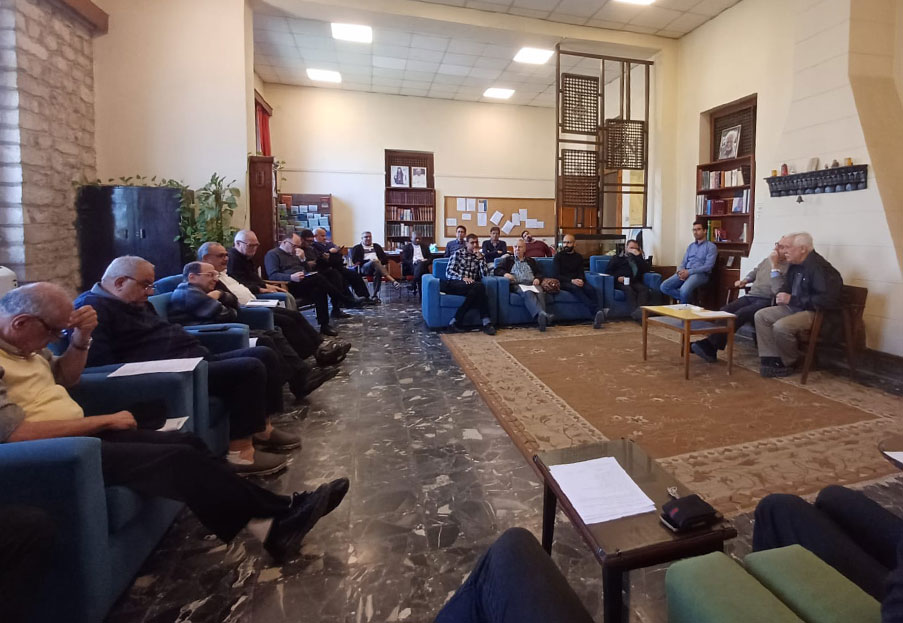
The Superior General of the Society of Jesus, Fr Arturo Sosa, has appointed Fr Marek Cieślik as the new Provincial of the Near East and Maghreb Province (PRO). The Province comprises Algeria, Egypt, the Holy Land, Iraq, Jordan, Lebanon, Morocco, Syria, and Turkey...
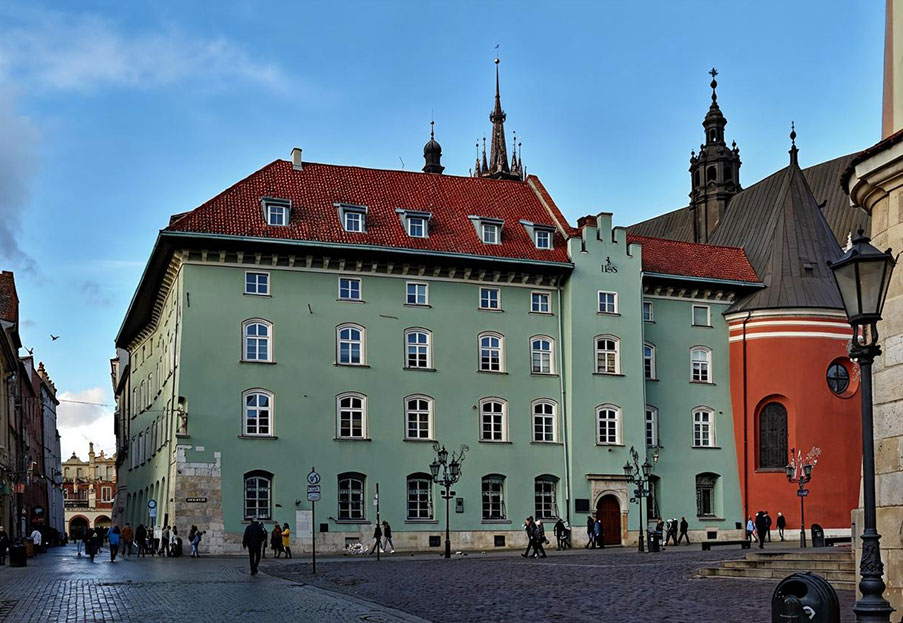
Father General Arturo Sosa has appointed Fr Mateusz Janyga as the new Provincial of the Province of Southern Poland of the Society of Jesus. Born in 1978 inWodzisław Śląski, Fr Janyga completed his secondary education in Rybnik before pursuing studies at...