Going where no one goes – A presence among migrants in detention
By Pieter-Paul Lembrechts, SJ | JRS Belgium
[From “Jesuits 2025 - The Society of Jesus in the world”]
JRS Belgium takes care of migrants in detention centres before their forced return to the country of origin; the importance of “being-with” and of listening to foster hope and resilience.
In the Constitutions, Saint Ignatius states that Jesuits should give the preference to those places where the need is greater and where others do not go. True to this criterion, for more than twenty years JRS Belgium focuses on the most neglected group of migrants: those detained in detention centres with a view to a forced return to their country of origin.
If an asylum seeker is denied refugee status, he is ordered to leave the territory. If he does not, he is illegally in the country. He may be arrested and placed in a detention centre. In these centres, which look like prisons, all kinds of other undocumented people are held. They are locked up as criminals and expelled from the country as unwelcome.
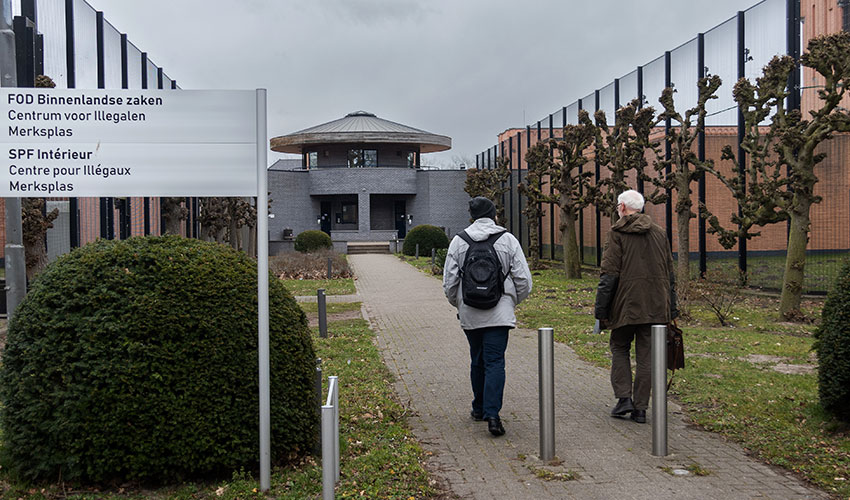
Detention and repatriation are an emotional shock for these men and women. Their migration project is brutally cut off, their dreams of a better future shattered. Every week, JRS Belgium visits these people in the country’s various detention centres. We usually cannot change their situation: most of them are repatriated – sometimes violently. More important than results, however, is our presence, “being-with” more than “doing-for”. We visit these centres to accompany the detainees, to become their companions.
First and foremost, that means: listening. Listening, listening, and listening again. Detainees feel the need to be heard. Officials do not have time to listen to their stories. We are there to listen – to listen to those who are not being listened to.
As a visitor, you face a lot of desolation: uncertainty, fear, frustration, sadness, rebellion, despair; sometimes hunger strikes, self-mutilation or attempted suicide. We try to give people some courage, help them not to lose hope completely.
Alusine, a detainee from Guinea who has been in Europe for twenty years, has made great efforts to integrate. He has obtained a diploma but is not allowed to work because he has no documents. He prays Psalm 102: “Hear my prayer, o Lord; let my cry come to you. Do not hide your face from me in the day of my distress... For my days pass away like smoke, and my bones burn like a furnace. My heart is stricken and withered like grass; I am too wasted to eat my bread... I lie awake; I am like a lonely bird on the housetop.”
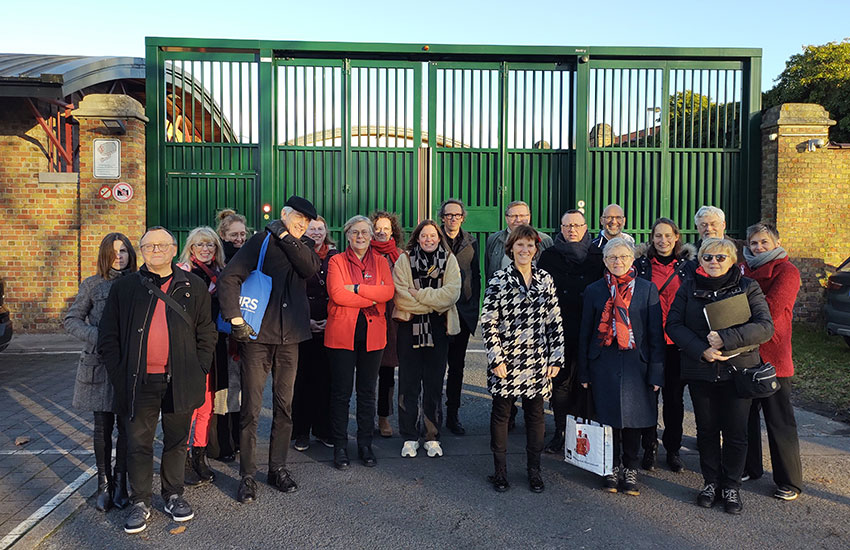
We can inform people about legal procedures, discern with them what decision to take, call their lawyer and so on. But most cases are hopeless. A spiritual conversation often brings more consolation. We also see resilience in the detention centres, perseverance, solidarity. And a lot of faith. The Bible and the Koran are the most read books (actually the only ones, because people are too restless to read other books).
However, visiting these people is not all. In line with the JRS tradition, we also advocate the rights of detainees to the authorities. We explore alternatives to detention. We try to influence public opinion and make pupils and students aware of the issue of migration detention.
This is how JRS Belgium participated in an educational project initiated by the Chair for Detention, Meaning and Society at the Catholic University of Leuven. The Chair was founded in close collaboration with the Jesuits and embodies the commitment to engage at the intersection of intellectual and social apostolate. As part of the university’s service-learning program, it has a substantial history in organizing transformative educational experiences in prisons. Its course on the lived experience of imprisonment brings twelve regular university students and twelve prison-based students together for an entire semester, to reflect on the carceral system and the ethics and meaning of punishment.

In collaboration with JRS, the Chair was able to transfer the format of its service-learning course to a new carceral setting: that of the detention of migrants. In a truly immersive experience, twelve university students remained overnight in one of the Belgian detention centres, living together for two days with people detained there. This mixed group reflected on the realities of migration and the detention of migrants by attending lectures and engaging in small-group discussions. The overnight stay in an empty wing of the centre facilitated broad interpersonal exchange, allowing participants not only to learn together, but also to eat, relax and play sports with each other. In this way academic formation, personal reflection and community went hand-in-hand. This example shows how collaboration between Jesuit-inspired projects on the social and intellectual level can converge towards new possibilities and spaces of learning and encounter.
With the collaboration of Geertjan Zuijdwegt and Pieter De Witte, Catholic University of Leuven.
Related Posts:
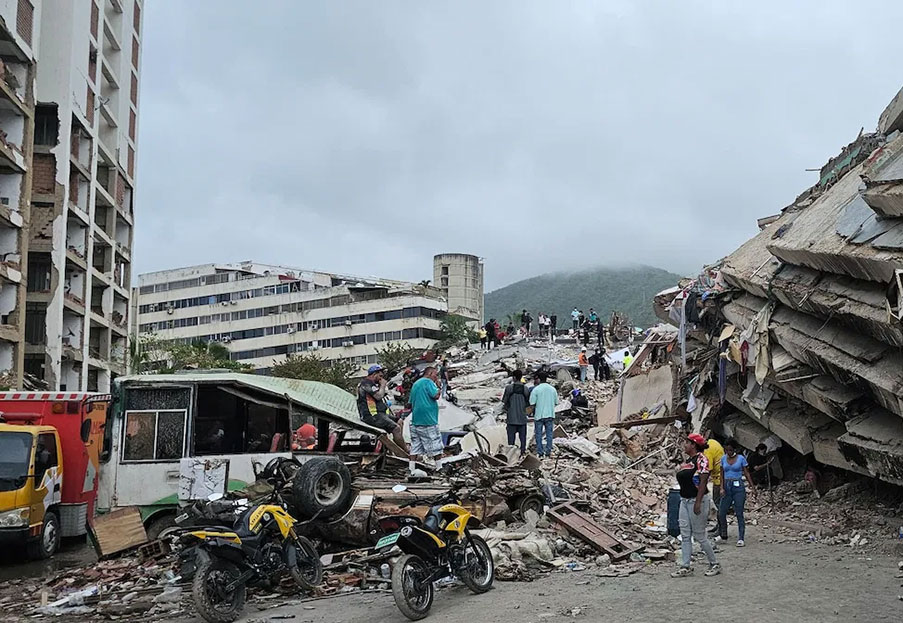
A series of powerful earthquakes have struck Venezuela on 24 June, causing widespread destruction across affected communities and leaving thousands of people in urgent need of assistance...
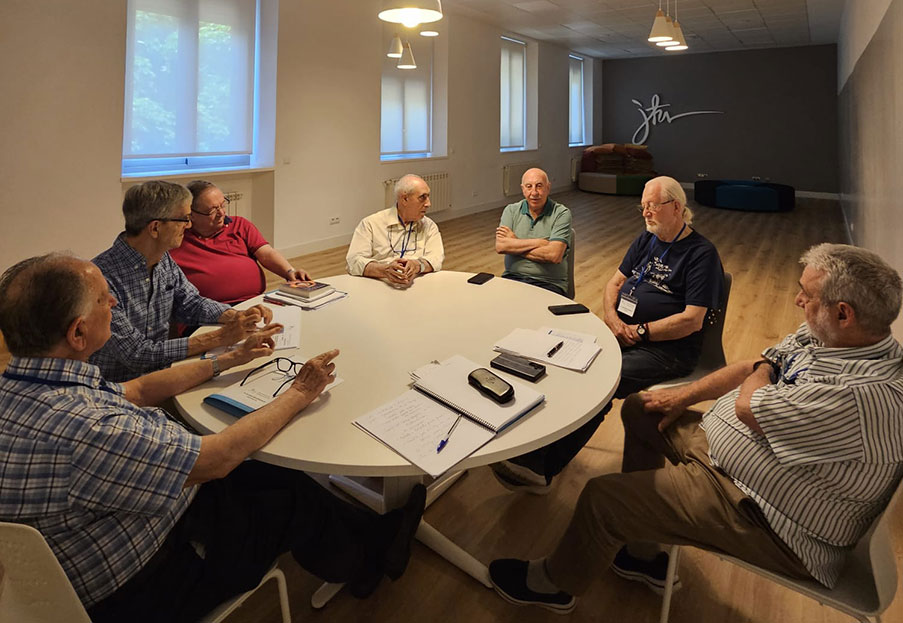
From 23 – 31 May, the Delegation for the Elderly of the Spanish Province organised the third edition of the formation course for elderly Jesuits at the Jesuit House in Salamanca. The program brought together 24 Jesuits aged between 70 and 85, with one or two participants in their 90s...

World Refugee Day is celebrated every year on 20 June. This international day was designated by the United Nations to honour refugees around the globe, shine a light on their plight, and work together to find long-term solutions to displacement.

In April 2026, Pope Leo XIV made the first-ever papal visit to Algeria. Two weeks later, Father Arturo Sosa, SJ, Superior General of the Society of Jesus, travelled to Algeria to visit the small Jesuit community there for the first time since his election in 2016. The land of St Augustine, bishop of Hippo...

Father General Arturo Sosa has appointed Father Bart van Emmerik, as the Regional Superior of the Independent Region of the European Low Countries (ELC). Fr van Emmerik currently serves as the socius of the ELC Region and as delegate for spirituality...

When, in March 2013, a Jesuit appeared on the balcony of St Peter’s Basilica, Clara Sayans could not have imagined how profoundly his pontificate would transform her faith and her life’s work. In this deeply personal reflection, she traces her journey from a university common room in Madrid...