Providing assistance to displaced people in IDP camps in Nigeria
Tabitha, 35, is fondly known as Mama Chinedu by the other people living in Salama Camp for internally displaced persons (IDPs), Adamawa State, Nigeria. She’s from the Nigerian town of Madagali but was forced to flee her home due to the Boko Haram insurgency and has spent the past ten years in a camp for internally displaced people with her husband and six children.
Three years ago, something changed. Tabitha, along with other people in the camp, took part in a livelihood programme aimed at communities in the States of Adamawa, Borno, Delta, and Edo. The initiative was conducted by JRS Nigeria in collaboration with the Global Solidarity Fund.
“We learnt modern farming and livestock-rearing techniques”, she says. “Afterwards, each of us received seed funding to start our own businesses.”
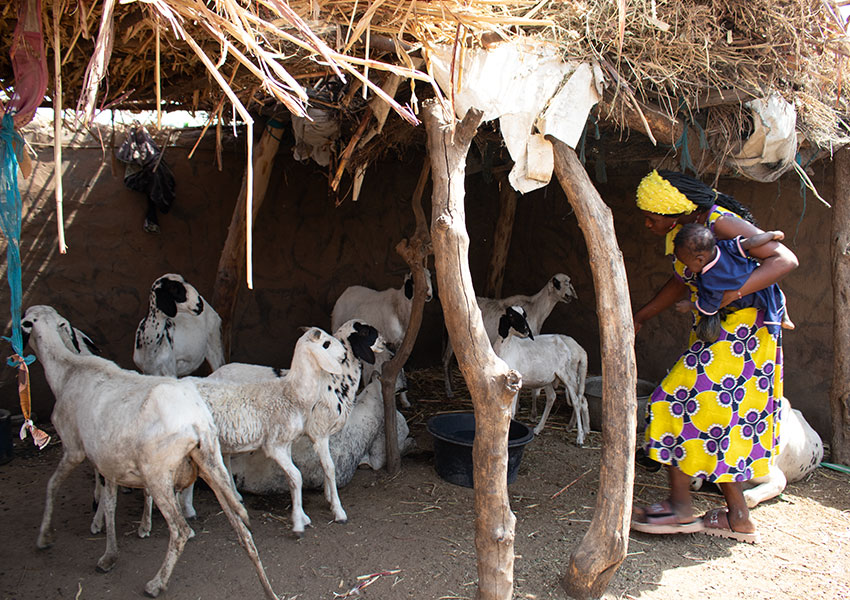
With the income generated from selling her products, Tabitha invested in several business ventures, including the purchase of a knitting machine to make jumpers and children’s clothes for sale. She also reinvested in livestock and opened a small shop within the camp, selling essential household items such as seasoning cubes, detergents, soap, beverages, and snacks.
This additional income has allowed her to support her children’s education and provide for her family’s daily needs. “The support we received was not limited to livelihoods. We are now also more mindful of gender equality, hygiene, and education. In my household, both my sons and daughters help with domestic chores, and they all go to school. They’ve also received school materials like books and bags, which have made learning easier.”
Her dream is to own her own home – and slowly, she is turning that dream into reality. With the proceeds from farming and livestock, she bought a piece of land and began collecting the materials needed to build her house. “I have started moulding blocks to build my own house. My dream is that in the next five years, I will be able to leave this camp and move into a house of my own with my family. I also hope to help other displaced persons find stability.”
In other parts of the country, also affected by insecurity caused by the ongoing insurgency, a lot is being done to respond to the needs of those forced to seek shelter in IDP Camps.
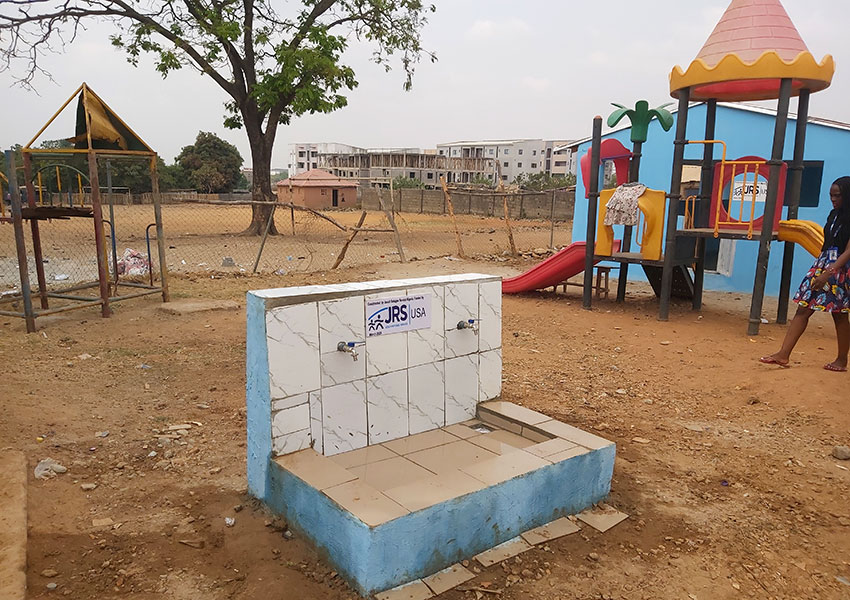
JRS Nigeria, with support from JRS USA, has provided education and hygiene support to students at the Nos Vies En Partage (Our Shared Lives) School located within the New Kuchingoro IDP Camp in the Federal Capital Territory of Abuja. The intervention by JRS Nigeria included the distribution of learning and hygiene materials to 400 students in the school, as well as teaching aids for the teachers, including picture charts, whiteboard markers, erasers, class registers, and textbooks.
“Before now, many pupils complained about not having writing materials and would often borrow from others in class. Since receiving the writing materials from JRS, there has been a noticeable improvement in the classroom. Students are more focused, and they participate more effectively. Additionally, the teaching aids provided, such as charts, dusters, and whiteboard markers, have greatly enhanced our teaching experience”, said Bilikisu Pricilia, a volunteer teacher and resident of the camp.
The support provided was the result of a needs assessment conducted by JRS Nigeria. This assessment aimed to identify gaps in access to services in the IDP camp, particularly in education, health, WASH (water, sanitation, and hygiene), protection, and livelihood.
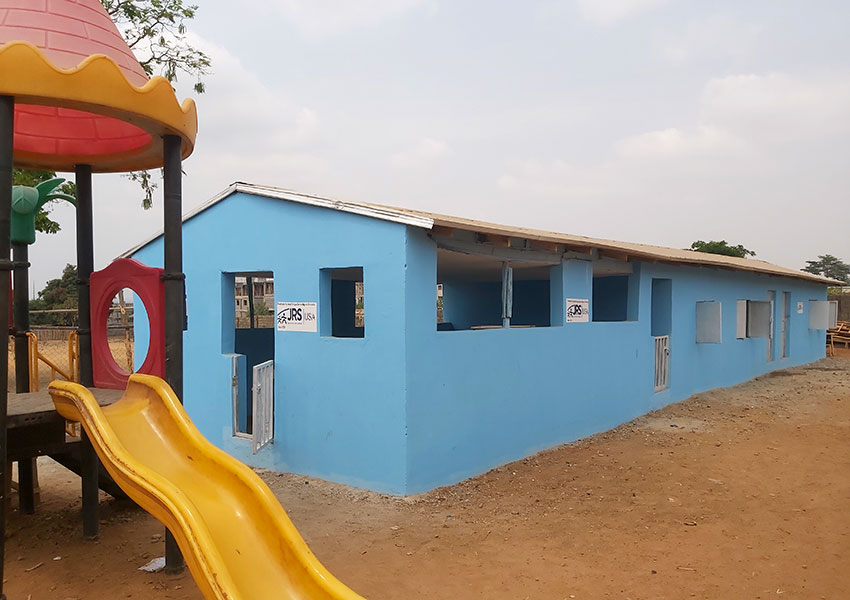
“The school began with only three volunteer teachers, despite facing numerous challenges. We aimed to provide basic education to children in the camp affected by insurgency in Adamawa, Borno, and Yobe States”, explained Mr Luka Yalhuma, the head teacher and resident of the IDP Camp. “The arrival of JRS to conduct the needs assessment was a dream come true for me. JRS handing over the facilities they built for the school after three years of reaching out to organizations and individuals for support, especially the additional classroom blocks for our pupils to have a safe and comfortable learning environment. Previously, there was no individual or NGO that took the step to help us with this. However, with JRS renovating our existing structures and constructing new ones, we now have a very nice and safe place for children to learn. Both the teachers, pupils, and the community are very pleased with this development”, concluded Mr Luka.
The newly constructed temporary learning space, two gender-separated latrines, completed two additional classroom blocks, and a handwashing station have been handed over to the school. At the launch event, Mr Aturu Jonah, the Director of Special Needs Education for the Federal Capital Territory, expressed appreciation to JRS for their intervention in the school. He stated that such intervention supports the government’s efforts to provide basic education to children in displaced situations.
In addition to the education and hygiene support already provided, JRS will also provide the school with a capitation grant to help enrol more IDP and host community out-of-school children. Additionally, training will be offered to the teachers and the school-based management committee on inclusive education and resource mobilization.

Related Posts:
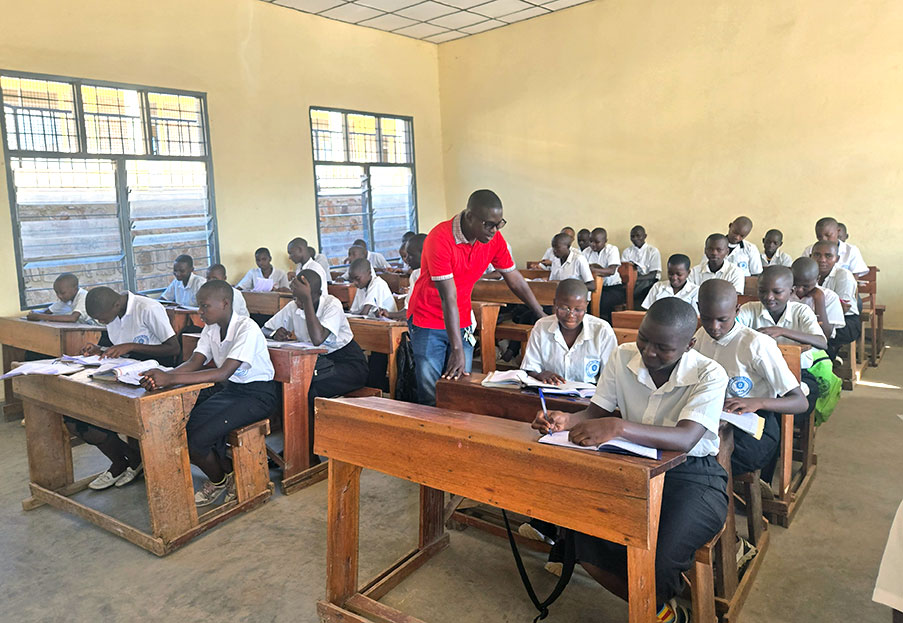
École Fondamentale Saint Louis de Gonzague was built to give every child space to be included, to live and learn alongside others, and to recognize their dignity as human beings. When the Jesuits founded the school in September 2004, in a region greatly affected by...
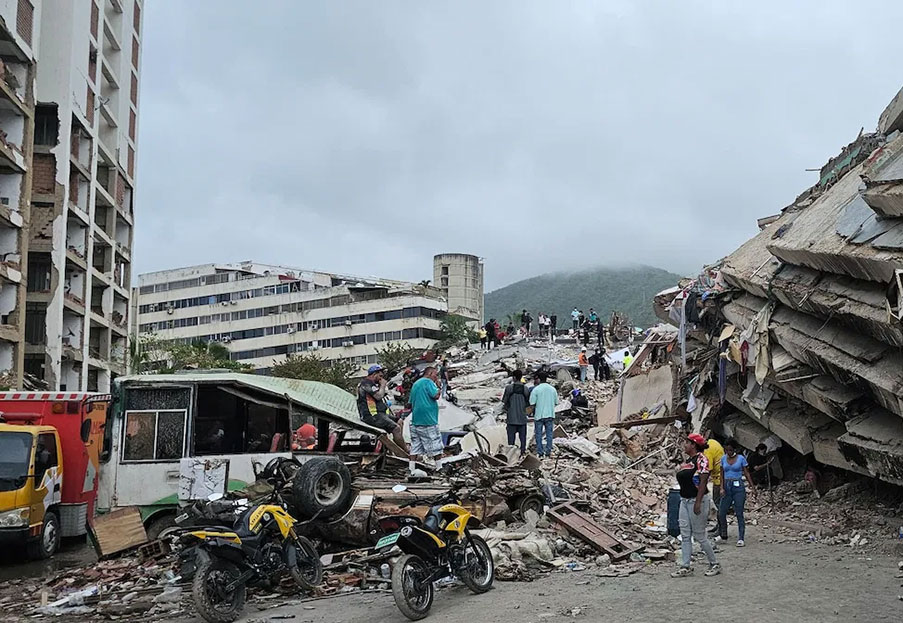
A series of powerful earthquakes have struck Venezuela on 24 June, causing widespread destruction across affected communities and leaving thousands of people in urgent need of assistance...
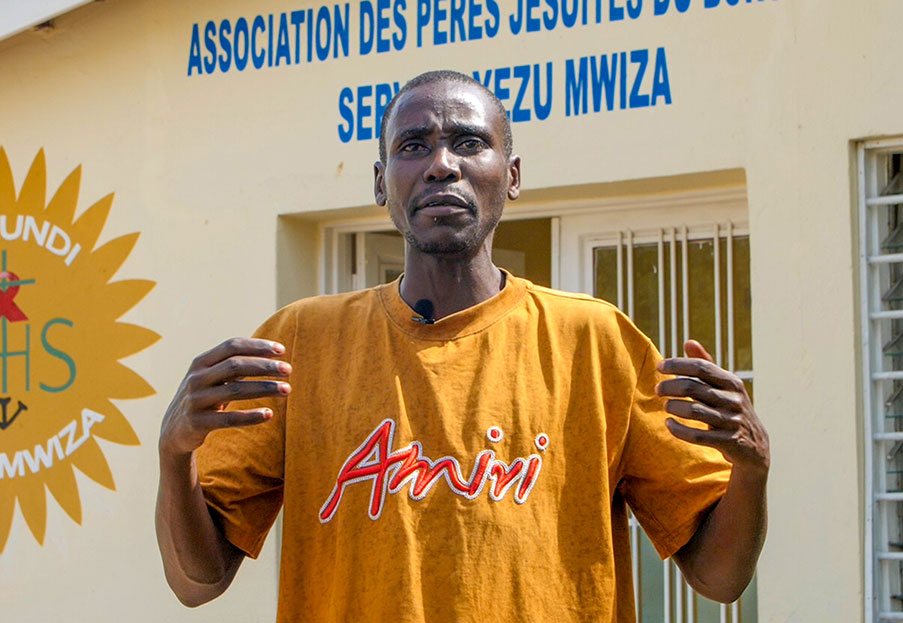
Service Yezu Mwiza (SYM) is a Christian, socio-medical organization dedicated to fighting HIV/AIDS, tuberculosis, and malaria, while promoting holistic healthcare and social justice. Founded in 2008, it operates as a prominent reference centre under the care of the Jesuits in Burundi...

World Refugee Day is celebrated every year on 20 June. This international day was designated by the United Nations to honour refugees around the globe, shine a light on their plight, and work together to find long-term solutions to displacement.
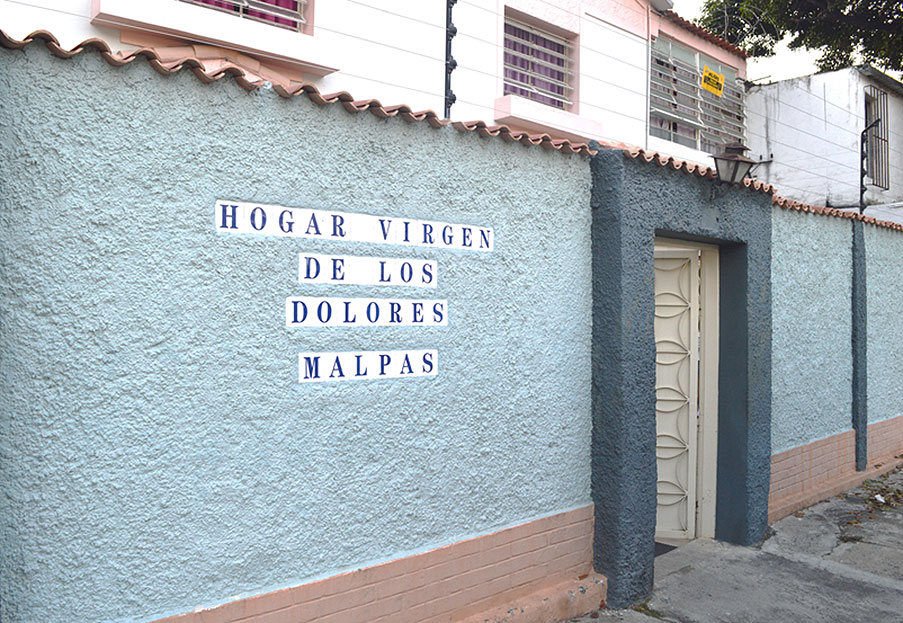
For eight decades, the Hogar Virgen de los Dolores (HVD) has served Venezuela’s most vulnerable children, building a legacy rooted in the Jesuit commitment to education and social justice. What began as an apostolic initiative has now evolved into a model of education...
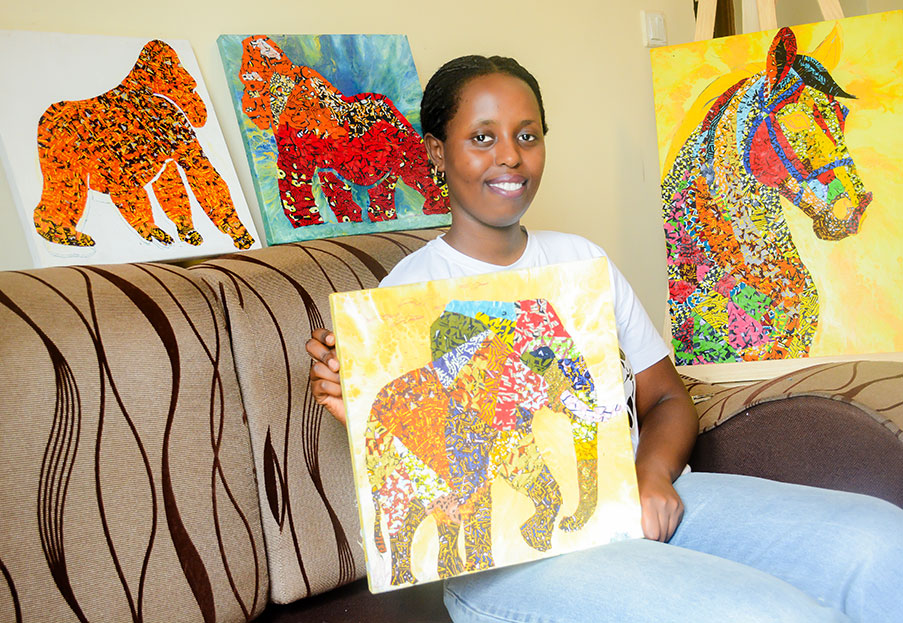
Rwanda’s youthful population holds great potential, yet nearly one in four young people are not in employment, education, or training, according to the 2025 Labour Force Survey. In response to this situation, the Jesuit Urumuri Centre (JUC), a social initiative of the Jesuit Rwanda-Burundi Province...