A House Difficult to Enter, and Even More Difficult to Leave
The House for Spiritual Exercises (today St Ignatius Retreat House), located in the heart of Ljubljana, was built between 1924 and 1925 at the request of the Jesuits, who were aware of the need to offer spiritual retreats. It is the oldest retreat house in Slovenia and is part of a complex of Jesuit institutions in Ljubljana: the Jesuit residence, the Jesuit College, and St Joseph’s Church.
As part of the centenary celebrations of the blessing of the retreat house and the 15th anniversary of its rebirth, Father General Arturo Sosa visited Slovenia. During the occasion, he toured the premises together with other Jesuits, volunteers, lay collaborators, and members of their families.

The St Ignatius Retreat House is a beautiful building designed by Jože Plečnik, Slovenia’s most famous architect.
Steady growth had characterized the early history of the Jesuits in Slovenia and the House for Spiritual Exercises between 1925 and 1946. However, the post-war communist regime seized the properties of the Jesuits and even exiled them from Ljubljana, forcing them to live in Bogenšperk, an old fortress in a poor state of repair. It was only in 2010 that the House was returned to the Jesuits, after much prayer and incessant bureaucratic struggles.
The main celebration on 20 September included the Mass presided over by the Slovenian Provincial, Fr. Miran Žvanut and Father General. After the Eucharist, a new documentary prepared for the occasion was screened. It detailed the spiritual and historical journey of the House of Spiritual Exercises over the years. In addition, the Jesuits inaugurated a new exhibition in the atrium of the House entitled “The past is like the roots of a tree – though invisible to our eyes, it gives strength and shape to our present”.
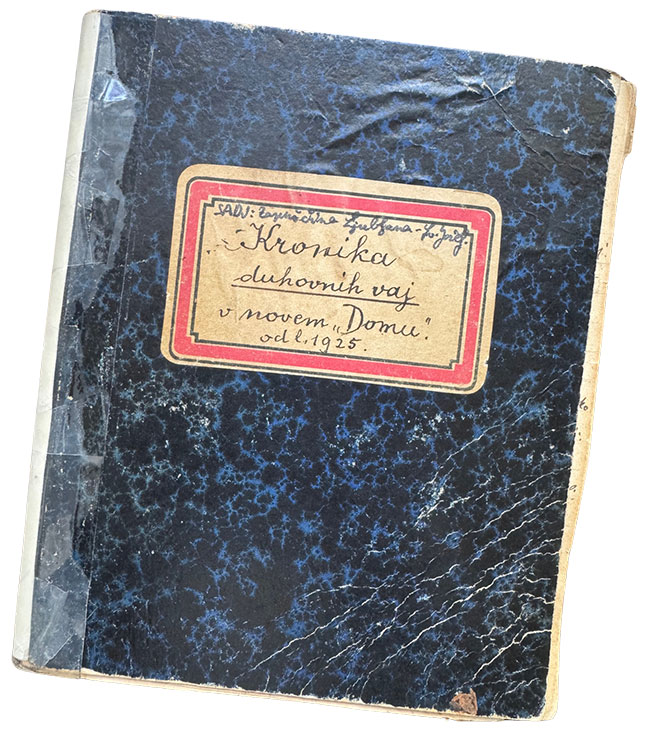
Of particular interest in the exhibition is the Kronika (Chronicle) of the Spiritual Exercises of 1925-30 which was rediscovered and analysed in 2025. Its contents were presented to the public for the first time during this occasion. It is a small notebook—one of the few documents from the early period to have survived to the present day. The notebook quite literally travelled with the Jesuits into exile and only returned to its home in 2010. It had been lost in the Jesuits’ internal library until 2025, when it was fortunately rediscovered.
In the first pages of the Kronika, we find the enthusiasm that characterized the inauguration of the House of Spiritual Exercises a hundred years ago:
In August 1924, the first workers began digging the ground, and on August 9, the Most Reverend Bishop Dr Anton Bonaventura Jeglič blessed the first stone. The roof of the building was completed before winter. During the dry winter of 1924/25, the building dried out and aired. In March 1925, work resumed, and on the feast of St. Ignatius, founder and patron of the Spiritual Exercises (July 31, 1925), the building was solemnly blessed with great joy in the presence of our fathers and brothers and some guests (canons, lay people, builders, engineers, etc.) by its illustrious patron, the Bishop of Ljubljana, Dr Anton Bonaventura Jeglič.
The Jesuit fathers had kept orderly records of the dates, the names of the Jesuits who were guiding the Exercises, the details of the participants, and the programs. In those days, overnight stays in the House were reserved exclusively for men. The groups were mostly distinguished according to the profession or the age of the participants. There were therefore Spiritual Exercises for priests, for (married) gentlemen, for young men, for organists, for academics, for recruits, for teachers and professors, for railway workers, for intellectuals... Some comments related to specific situations stand out. For example, “the boys couldn’t come because of the heavy snow”. Also the reflections of some participants: “only now do we know what the Spiritual Exercises are, now that we have done them”; “now I see the world differently”; “it was difficult to enter the House, even more difficult to leave it”; “how much consolation and peace of soul can be found in this House cannot be described, it must be experienced”; “the cleanliness, order, and family atmosphere of this House and its rooms are surprising”...
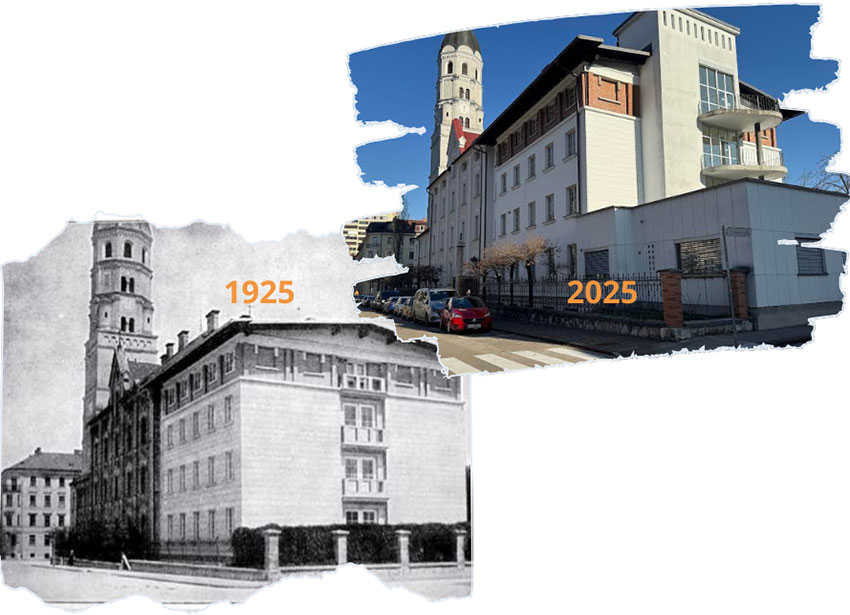
Indeed, the positive similarity between the past and present is remarkable.
In 1925, it was the inauguration of a beautiful project. In 2010, it was the miraculous restoration and reopening of the House. Today, we celebrate 100 years since its blessing and 15 years since its rebirth. Through all these, the feeling of enthusiasm, gratitude, and awareness of the need for this House remains the same.
Related Posts:
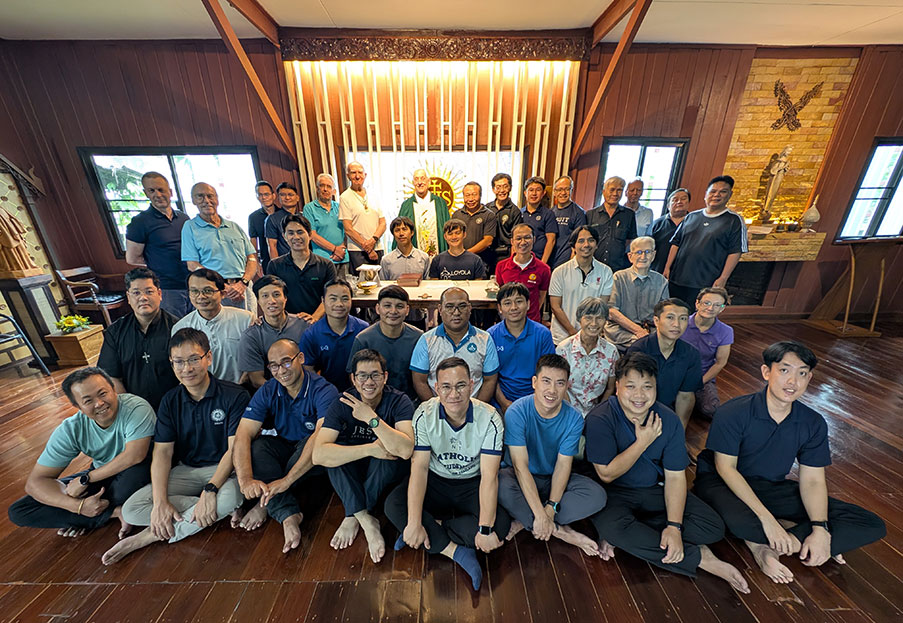
The Society of Jesus in Thailand is relatively small, with 37 Jesuits concentrated in three communities serving four cities, but the history of the Jesuits in Thailand goes back centuries, to the time of Saint Francis Xavier and the first missions of the Society of Jesus to what was then called...
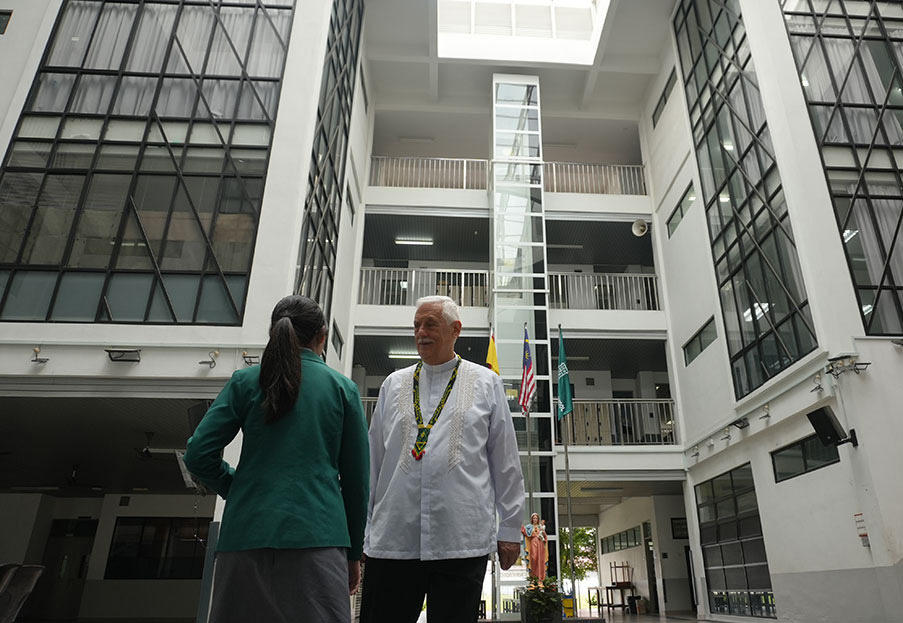
On a sunny mid-week day in Kuching, Fr General Sosa visited St. Joseph’s Private Secondary School (SJPS) where the Jesuits of the Malaysia-Singapore Region work as teachers and administrators. Currently, Fr Stanley Goh is the Rector, while Fr Francis Lim served as the first...
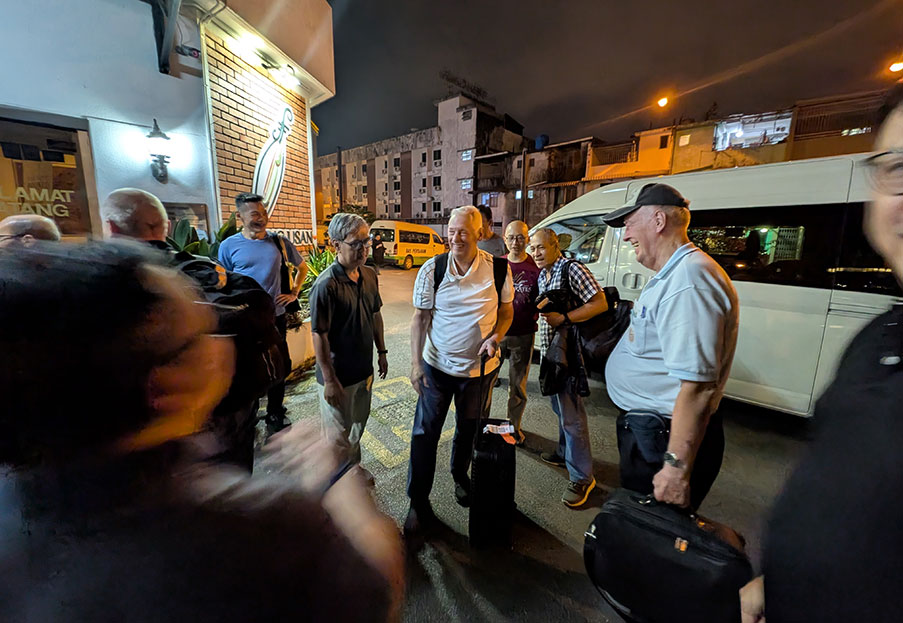
Fr Arturo Sosa, SJ, arrived in Kuching, Malaysia to begin his 5th apostolic visitation of the Jesuit Conference of Asia Pacific (JCAP). With a full schedule of meetings and travel between different Jesuit ministries and communities in Malaysia, Thailand and Indonesia...
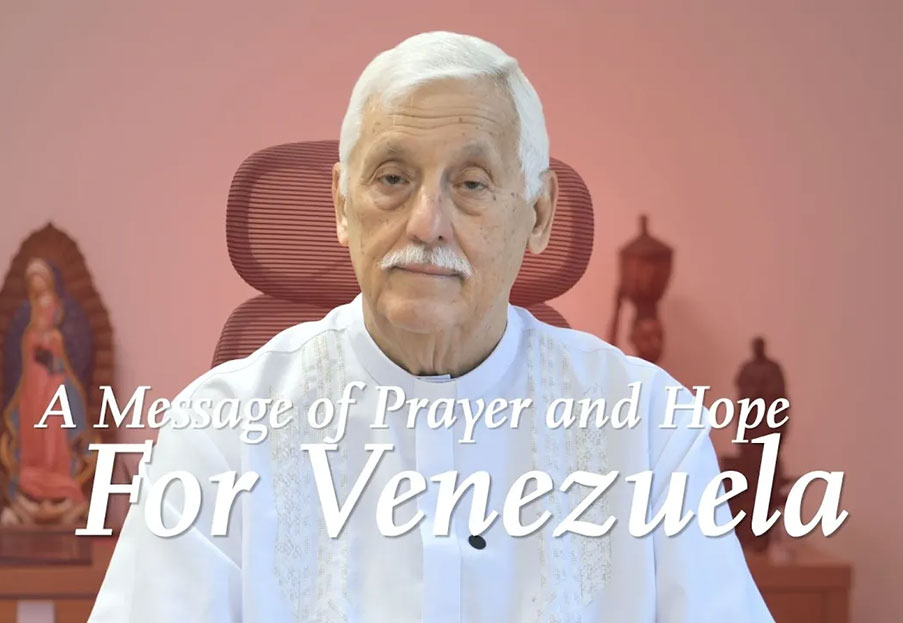
As Venezuela begins the difficult task of recovering after two strong earthquakes that claimed lives, left many missing and caused widespread destruction, Father General Arturo Sosa has sent a message of closeness and hope to the Venezuelan people.

As the Society of Jesus prepares for the II Congress JESEDU-Montreal 2027, a global process of review, discernment, and foresight is now underway. This initiative seeks to evaluate how the shared vision for Jesuit education has been implemented across the worldwide network of...
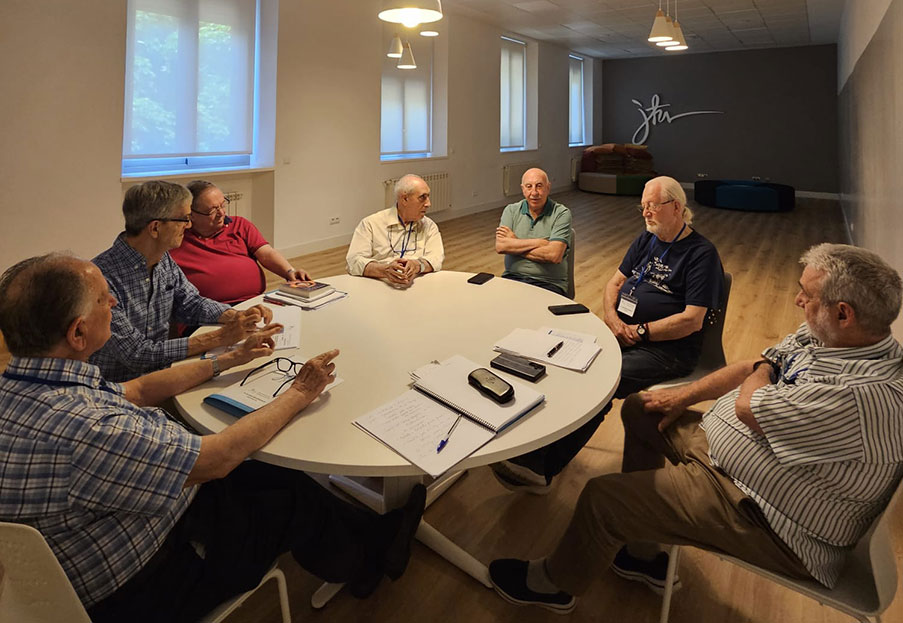
From 23 – 31 May, the Delegation for the Elderly of the Spanish Province organised the third edition of the formation course for elderly Jesuits at the Jesuit House in Salamanca. The program brought together 24 Jesuits aged between 70 and 85, with one or two participants in their 90s...