Cura Apostolica – Cura Personalis: Integrating Mission and Care in the Society of Jesus
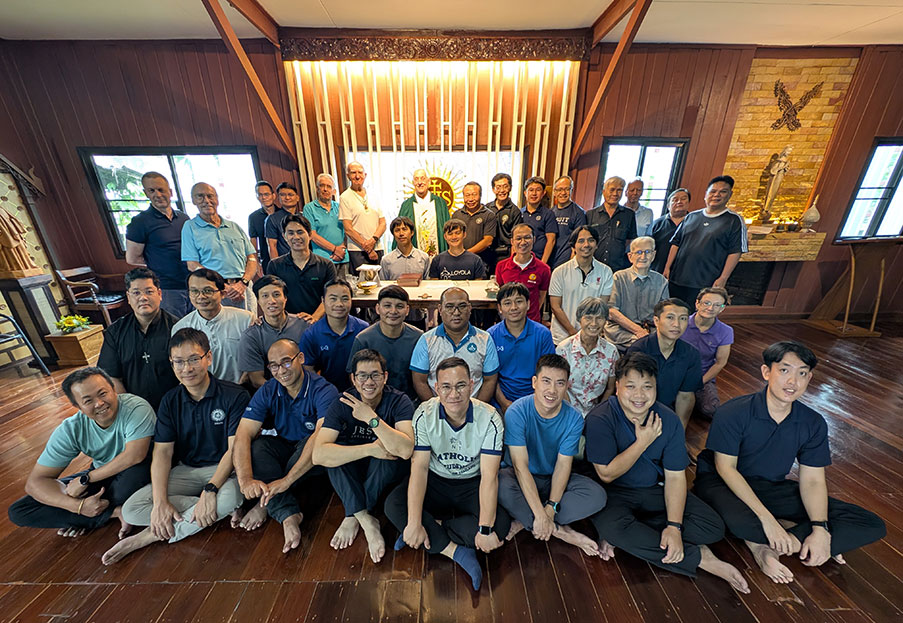
Day 6 of the Meeting of Major Superiors stood out for its quiet weight centred on a theme that lies at the heart of Jesuit leadership: “The Role of the Major Superior: Cura Apostolica – Cura Personalis”.
Jesuit Major Superiors stand at a crossroads of responsibility. On the one side, they must care for apostolates – the stewardship of apostolic works and the broader mission of the Society. On the other side is Cura Personalis – the care of persons, a profound commitment to the individual care of each Jesuit, attending to his personal, spiritual, and vocational journey across all stages of formation and life. Holding both in equilibrium is not an easy feat. It asks for balance, presence, and a kind of listening that goes beyond just administration and management.
Fr Mark Ravizza, the General Counsellor for Formation, and Fr Miguel Almeida, the Provincial of the Portuguese Province, spearheaded the reflections on the day’s theme with presentations in the morning. The Major Superiors were later split into groups to further deliberate and provide feedback on the intertwined concepts, which, beyond theoretical ideals, are lived realities, particularly for those entrusted with the care of men and Provinces in the Society of Jesus.

The morning presentation unpacked the multifaceted nature of Cura Apostolica and Cura Personalis. Fr Ravizza went into the intricacies of Cura Personalis, explaining the importance of holistic support systems – proper accompaniment, preserving a collective memory, honest conversations – as essential to the well-being of each Jesuit. He stressed that care for the individual is not ancillary to the mission but foundational to its integrity.
Fr Almeida emphasized that caring for the mission is more about nurturing the spiritual vitality that underpins all Jesuit apostolates and endeavours than just strategic planning or organizational efficiency. “Apostolic governance means discerning priorities for the apostolic body, protecting the Ignatian charism in changing contexts, and ensuring long-term apostolic fruitfulness”, Fr Almeida said.
The two presenters also highlighted the imperative for Major Superiors to foster environments where creativity, collaboration, and a deep commitment to the mission can flourish. This, they noted, requires a delicate and intentional integration of both forms of care.

“The synergy between the two is evident”, Fr Ravizza explained. “Cura Apostolica cannot truly thrive without a profound commitment to Cura Personalis and vice versa. Vibrant, well-supported, and spiritually healthy individuals find their deepest fulfilment in the context of a meaningful and impactful apostolate.”
“Cura personalis and Cura Apostolica are one single dynamic at three levels of integration: personal, relational and institutional”, Fr Almeida added, noting that “manifestation of conscience is the place where these two cares reveal this unity – care for the person and service to the body of the Society.”
In all, the burden and blessing of Cura Apostolica and Cura Personalis transcends mere conventional leadership paradigms. The former ensures fidelity to mission, strategic alignment, and collaborative engagement. The latter prioritizes formation, personal growth, and spiritual wellness. Together, they form two inseparable dimensions of Jesuit governance – two sides of the same coin. And it is the vocation of the Major Superior to hold this balance with wisdom, discernment, compassion, and grace.

Related Posts:
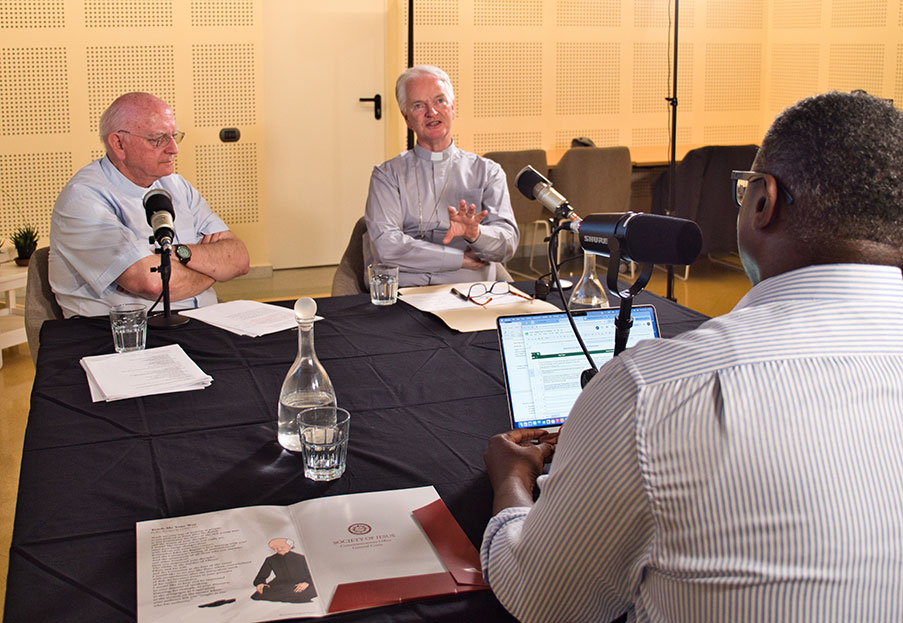
The General Curia of the Society of Jesus launches its brand-new Webinars’ Calendar. After being in pilot mode for the last two years, these meetings have proved to be incredibly useful, with sometimes up to 600 people taking part from all around the globe. The idea is to provide ongoing formation...
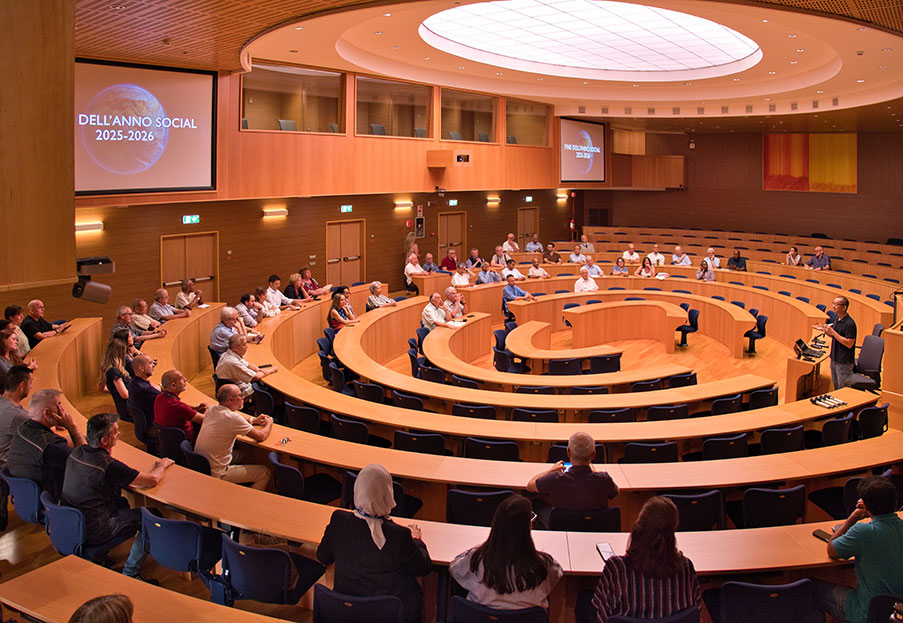
The General Curia concluded its social year with a gathering in the Aula on 19 June that brought together the Jesuit members of the Curia community and the lay collaborators that jointly sustain its administrative operations...

The Enlarged Council brought together the Secretaries of the Apostolic Sectors, General Counsellors, General Treasurer, Presidents of Conferences, and other officials at the Curia to examine a central question: How to increase and deepen collaboration across apostolic...
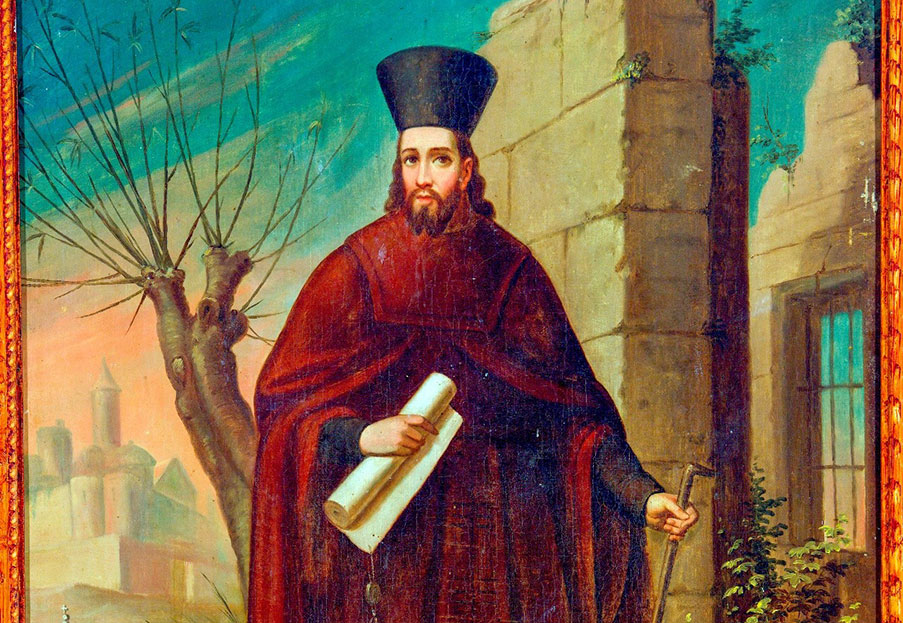
On 5 June 1546, Paul III signed the brief “Exponi nobis”, which addressed how men who did not belong to the original group of highly qualified priests of the Society could nonetheless belong to it and serve its mission. The brief did so by establishing the grade of coadjutor...

Four hundred and eighty-four years ago, the Apostle of Asia stepped ashore in Portuguese India – marking both the end of a long formation and the beginning of a ministry that would span a continent. The arrival of St Francis Xavier (1506–1552) in Goa, India, on 6 May 1542 was at once a...

Superior General Arturo Sosa has convoked the 72nd Congregation of Procurators, bringing representatives from across the Society of Jesus to Indonesia in October 2027. The gathering will examine how the Society’s structures must be reshaped to carry its mission forward...