The Fire That Refuses to Die: Why Fr Constant Lievens Still Matters
By Justin Tirkey, SJ | Director, Satya Bharti Ranchi
A Belgian Priest Who Became a Tribal Messiah
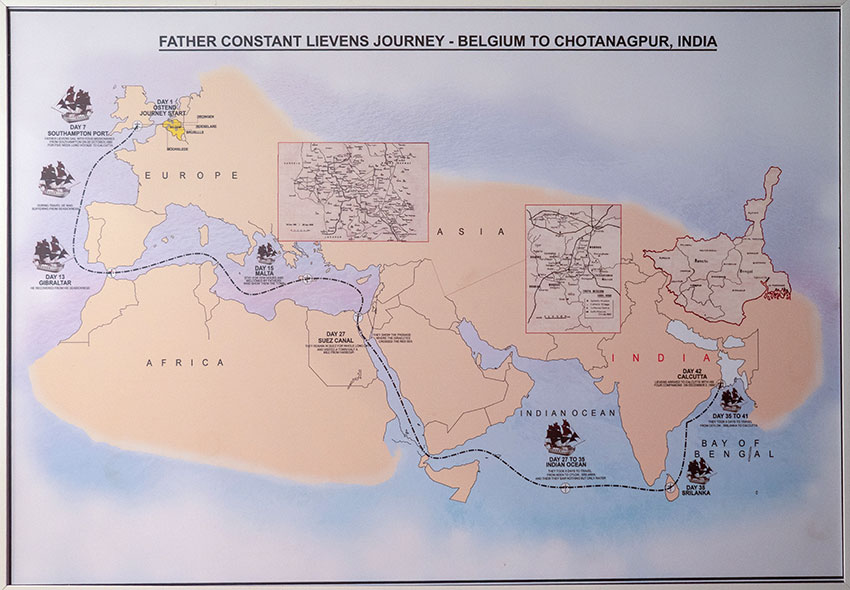
In 1885, a 29-year-old Belgian Jesuit stepped off a train in Ranchi and into a landscape scarred by injustice. Fr Constant Lievens had travelled thousands of miles from his homeland, driven by a calling he couldn’t ignore. What he found in Chotanagpur (a prominent geological plateau and cultural region in eastern India, primarily covering the state of Jharkhand and extending into parts of Odisha, West Bengal, Bihar, and Chhattisgarh) shook him to his core: Adivasi communities crushed under colonial exploitation, their lands stolen, their dignity trampled, their voices silenced.
Most missionaries of his era would have built churches and baptized converts. Lievens did something far more radical – he became one of them.
He learned Mundari and other tribal languages. He ate their food, walked their paths, and listened to their grievances late into the night. When British courts dismissed Adivasi land claims, Lievens showed up as their advocate, arguing case after case until colonial judges could no longer ignore the systematic theft happening under their watch. He won landmark victories that returned thousands of acres to their rightful owners.

The Adivasis had never seen anything like this. A foreign man – a priest, no less – standing with them against foreign oppressors? Fighting for their land as fiercely as any tribal leader? They began calling him their messiah. Lievens served only eight years before illness claimed his life in 1893. He was 37. But those eight years changed everything.
More Than Memory: Why We Build Museums for the Dead
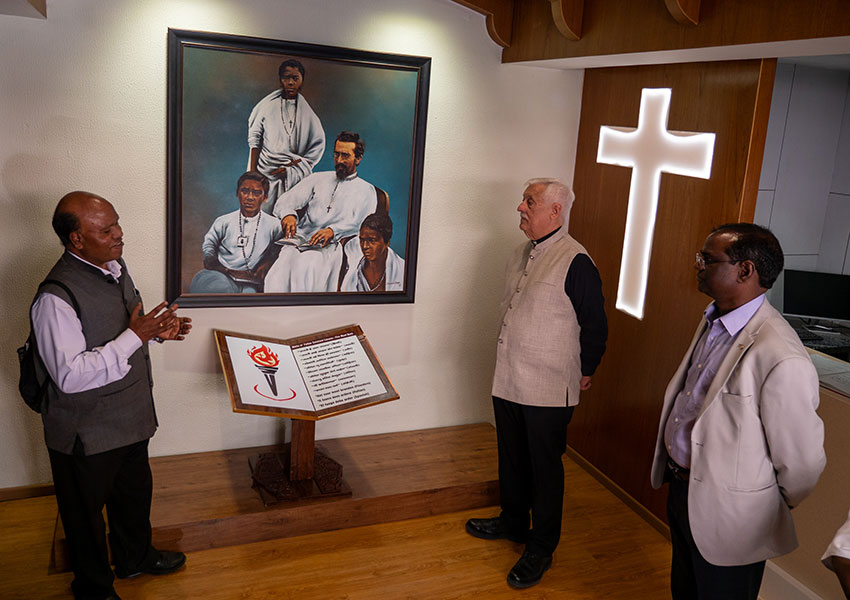
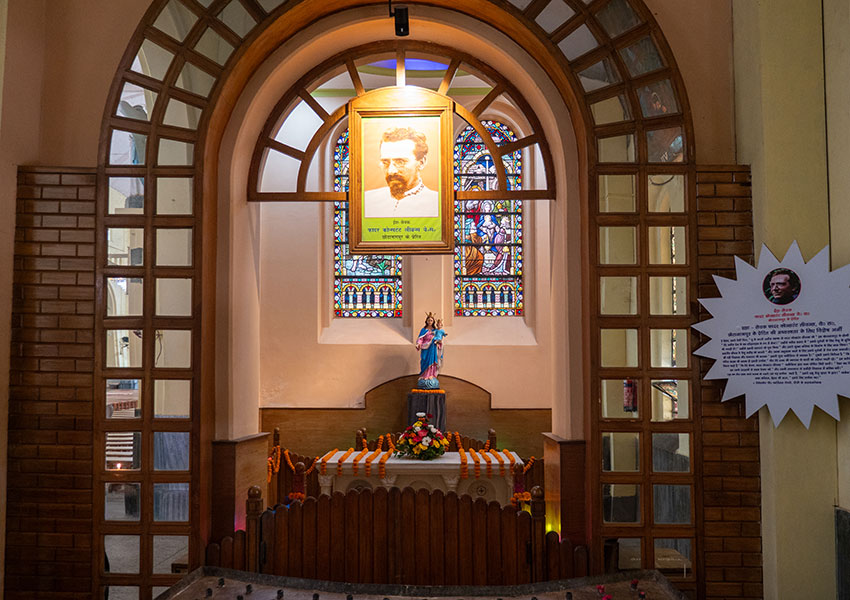
Today, 133 years after his death, the people of Chotanagpur haven’t forgotten. St. Mary’s Cathedral, built in 1909, serves as his spiritual monument. The Lievens Museum, opened in 2023, houses artefacts from his life. Statues, chapels, memorial sites – they dot the landscape like stations on a pilgrimage route. But here’s what matters: these aren’t dusty relics of a bygone era. They’re battle cries.
When the Church designated Lievens “Servant of God” – the first step toward potential sainthood – it wasn’t rewarding a historical figure. It was issuing a challenge to every Christian in Chotanagpur: This is what holiness looks like. This is what the Gospel demands. Are you willing?
The replica Chapel of Moorslede, constructed in 2024, doesn’t ask visitors to admire beautiful architecture. It asks them: Who stands with the marginalized today? Who fights for justice when it’s inconvenient? Who loves beyond the boundaries of comfort and safety?

Five Ways a Community Keeps a Prophet Alive
The genius of Chotanagpur’s devotion to Lievens is that it refuses to be merely sentimental. It’s active, multifaceted, and profoundly practical.
Prayer as Resistance
Thousands gather annually for feast day celebrations at St. Mary’s Cathedral. Novenas invoke his intercession. Pilgrimages to his memorial sites have become spiritual lifelines for Adivasi Christians. But these aren’t performances of piety – they’re acts of defiance. Every hymn sung in Mundari, every Way of the Cross reflection connecting Lievens’ sacrifices to modern struggles, declares that his vision of justice-saturated faith still lives.
Education as Liberation
Memorial lectures probe uncomfortable questions: What would Lievens say about current land disputes? How does his incarnational approach challenge modern missionary methods? Youth essay competitions ensure teenagers grapple with his legacy rather than inherit it passively. Museum tours aren’t just history lessons – they’re invitations to imagine a Church that risks everything for the powerless.
Justice as Worship
Legal aid clinics provide free representation for tribal families facing land theft – the same battles Lievens fought in colonial courts. Scholarships send Adivasi students to universities their grandparents couldn’t have dreamed of attending. Healthcare camps bring medical care to remote villages. Leadership training programs raise up community organizers who blend Christian social teaching with tribal solidarity. This is devotion made flesh.
Culture as Transmission
The story of Lievens lives in more than books. It pulses through Adivasi dramas, dances performed at festivals, murals painted on village walls. Children compete in art contests depicting scenes from his life. Elders gather for storytelling sessions, passing down oral traditions that keep his memory vivid and personal. He’s not a historical figure to study – he’s a character in the ongoing story of tribal Christian identity.
Mission as Inheritance
Perhaps most powerfully, his legacy shapes how new generations understand their calling. Retreats for priests and lay leaders ask: Do we have Lievens’ courage? Do we walk with the people or above them? Formation programs in seminaries hold up his life as the gold standard of incarnational ministry. The message is clear: If you claim to honour Lievens, you must continue his work.
The Living Flame
Here’s what makes the Lievens phenomenon extraordinary: it’s growing, not fading.
The Sacred Heart statue erected in 1935 now shares space with Lievens Kuan (2024) and the brand-new replica chapel (2025). Relics venerated since 1993 draw increasing crowds. Every 7 November – the anniversary of his death – sees larger gatherings. Calendars bearing his image hang in Adivasi homes alongside pictures of family members.
This isn’t ancestor worship. It’s a community recognizing that Lievens embodied something they desperately need more of: a Christianity that doesn’t shy away from conflict, that places itself squarely on the side of the oppressed, that measures holiness not by hours in chapel but by risks taken for justice.
St. Mary’s Cathedral and the Lievens Museum function as twin engines of this movement – one nurturing prayer and devotion, the other preserving history and provoking questions. Together, they announce that sanctity isn’t about personal perfection. It’s about radical solidarity.
A Challenge, Not a Comfort
The ultimate test of honouring Fr Constant Lievens isn’t how many statues we build or how many museum visitors we attract. It’s whether the Church in Chotanagpur – and beyond – continues producing people willing to do what he did.
Who will learn the languages of the marginalized? Who will show up in courts and village squares? Who will risk reputation, comfort, even safety to defend the defenceless? Who will let their heart break for injustice and then convert that heartbreak into action?
The fire Lievens lit in 1885 still burns. The question is whether we’ll carry the torch or simply admire the flame from a safe distance.
In the villages of Chotanagpur, in the prayers of Adivasi Christians, in the ongoing work of legal aid and education and cultural preservation, the answer is being written. Fr Lievens isn’t just remembered – he’s present, challenging, calling forth a new generation of messiahs for a new generation of struggles.
The legacy isn’t complete. It’s just beginning.
Father General Sosa Visits Ranchi’s Lievens Museum
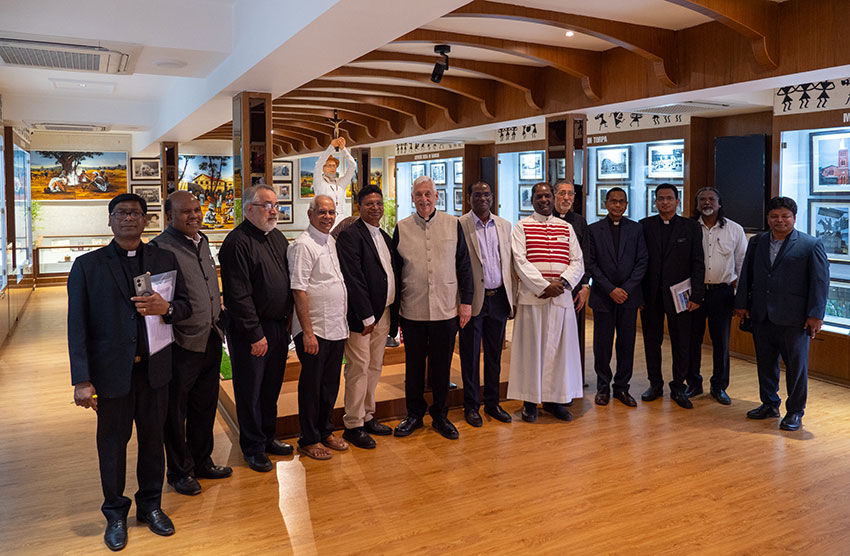
Father Arturo Sosa, the Superior General of the Society of Jesus, visited the Lievens Museum in Ranchi, Jharkhand, during his visit to Ranchi Jesuit Province. Housed within the historic Manresa House campus, the museum honours the legacy of Belgian Jesuit missionary Fr Constant Lievens, who evangelized the tribal communities of Chotanagpur in the late 19th century. Fr Sosa toured exhibits showcasing Lievens’ life, artefacts from early Jesuit missions, and the rich cultural heritage of the region’s Adivasi peoples.

Related Posts:
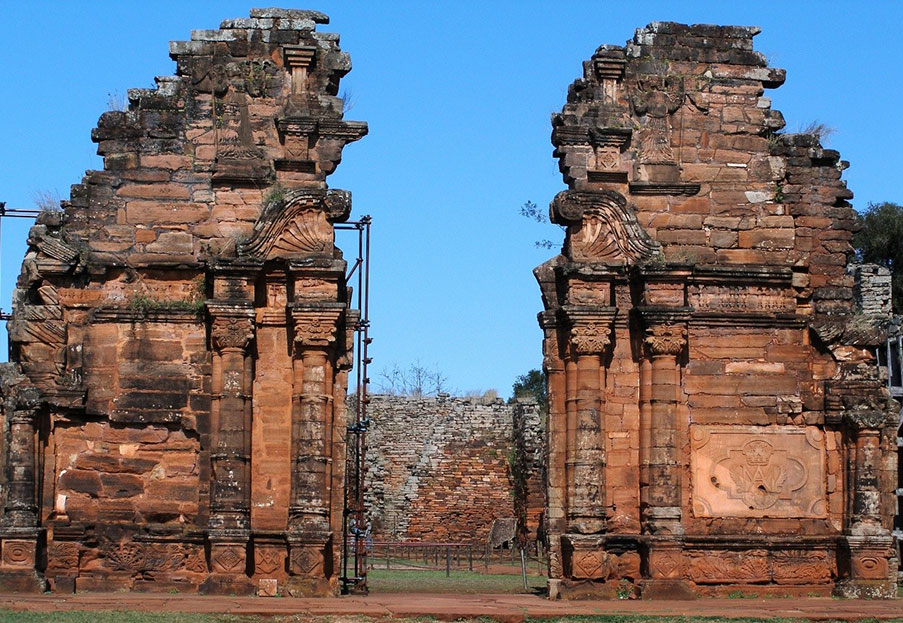
The Paraquarensis Province was separated from that of Peru in 1604. It comprised the territories of the present-day states of Paraguay, Argentina, Uruguay, part of Bolivia, and, temporarily, Chile. One of the most notable ministries in this Province was the Guaraní reductions...
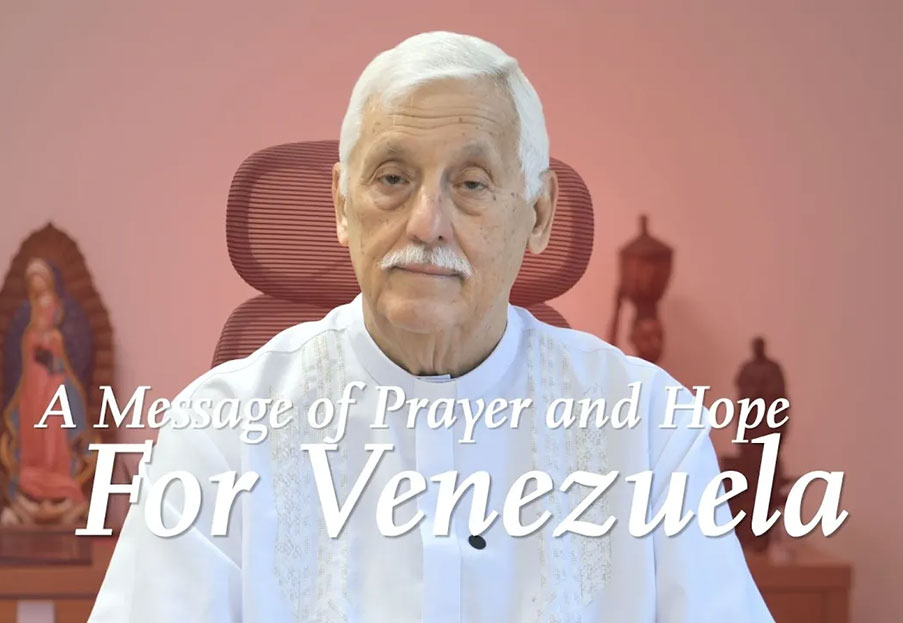
As Venezuela begins the difficult task of recovering after two strong earthquakes that claimed lives, left many missing and caused widespread destruction, Father General Arturo Sosa has sent a message of closeness and hope to the Venezuelan people.
As the Society of Jesus prepares for the II Congress JESEDU-Montreal 2027, a global process of review, discernment, and foresight is now underway. This initiative seeks to evaluate how the shared vision for Jesuit education has been implemented across the worldwide network of...

“Since the third Universal Apostolic Preference was given to us, I have spent time discerning how the General Curia can help to move it forward. I didn’t want to set up a heavy structure. I didn’t think a Secretariat here in the Curia was needed. In the end, I opted for a light network structure...”

The Enlarged Council brought together the Secretaries of the Apostolic Sectors, General Counsellors, General Treasurer, Presidents of Conferences, and other officials at the Curia to examine a central question: How to increase and deepen collaboration across apostolic...
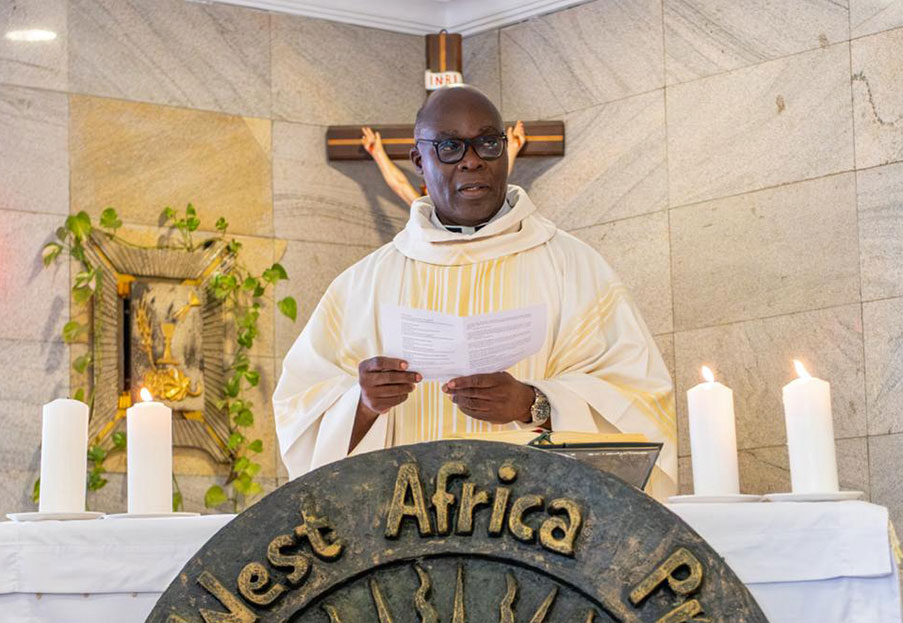
Father General Arturo Sosa has appointed Fr John Kobina Ghansah as the new Regional Assistant for Africa and Madagascar and General Counsellor. Fr Ghansah, currently Provincial of the North-West Africa Province (ANW), will assume his new role on 6 January 2027...