Reconciliation and Shared Humanity: A Meeting at the Jesuit Curia in Rome
On 12 December 2024, a meeting on the theme of reconciliation was held at the Jesuit General Curia in Rome. The event featured personal testimonies from Mrs. Agnese Moro, daughter of former Italian Prime Minister Aldo Moro, who was kidnapped, held captive for 55 days, and ultimately killed by members of the Red Brigades in 1978, and Mrs. Adriana Faranda, a former member of this extremist group. Faranda joined the Red Brigades at the age of 24 and was sentenced to 30 years in prison for her involvement in Moro’s kidnapping and the killing of five men of his escort.
The meeting was part of a formation program for Jesuit Refugee Service (JRS) employees, focusing on mission and identity. From December 9 to 15, participants from various local and regional offices, particularly those serving as focal points for mission and identity, gathered in Nemi, near Rome. Beside them, the event at the Curia was also open to other attendees.
Father General Arturo Sosa opened the meeting with a welcoming address. He underlined the emphasis on reconciliation as central to all Jesuit works, as articulated in Decree 1: “Companions in a Mission of Reconciliation and Justice” of the 36th General Congregation. That decree underscores the Society’s commitment to reconciliation with God, humanity, and creation, positioning it as a pivotal aspect of Jesuit mission and ministries. Brother Michael Schöpf, JRS International Director, highlighted the importance of reconciliation in JRS’s mission and underlined the significance of testimony from individuals like Mrs. Moro and Mrs. Faranda. Father Guido Bertagna, an Italian Jesuit, provided context for the meeting, describing the journey of bringing together victims of terrorist attacks and former members of armed groups.

The date of December 12 carries particular significance, marking the beginning of a period of terror that started with the 1969 bombing in Milan’s Piazza Fontana and continued through the mid-1980s, even into the early 2000s. This period saw 428 deaths and over 1,400 injuries. Around 20,000 people were investigated in connection with the armed struggle, 4,200 were imprisoned for crimes related to armed bands or subversive associations, and hundreds received life sentences.
Between 2000 and 2008, private and confidential meetings between victims and former members of armed groups laid the groundwork for reconciliation. This process evolved into public initiatives, retreats, and the creation of “The Book of Encounter” in 2015. Today, this movement continues with community circles, book presentations, and collaborations with similar initiatives across Europe.
Mrs. Moro spoke about the profound pain and trauma she experienced following her father’s abduction and murder. She shared the difficulty of accepting Father Bertagna’s invitation to join a reconciliation group, which involved stepping into uncharted emotional territory and facing criticism from family and friends. Yet, she felt a deep need for justice beyond prison sentences – a need to share her pain, which only grew stronger over the years.

Mrs. Faranda also shared how her meetings with Mrs. Moro brought her immense healing. Over time, their understanding and friendship revealed how close they had become, despite initially belonging to groups that dehumanized one another.For both, the hardest part was the beginning – finding the courage to start a dialogue. There were also moments of crisis when strong emotions required skilled facilitation of the meetings. However, the ultimate result was liberation and reconciliation.
Father Camillo Ripamonti, director of Centro Astalli (the Italian branch of JRS), reflected on the importance of reconciliation in his work with forcibly displaced people. He emphasized the need for spaces where deep listening and encounters can occur, such as those achieved by Mrs. Moro and Mrs. Faranda. These spaces affirm a shared humanity and counter narratives that increasingly depict migrants and refugees as threats.
The event concluded with a Q&A session, followed by closing remarks from Father Elías López-Pérez, facilitator of the JRS meeting in Nemi. He offered a message of hope, reminding participants that reconciliation is always possible, especially when we think of our children and the world we wish to leave them.
Related Posts:
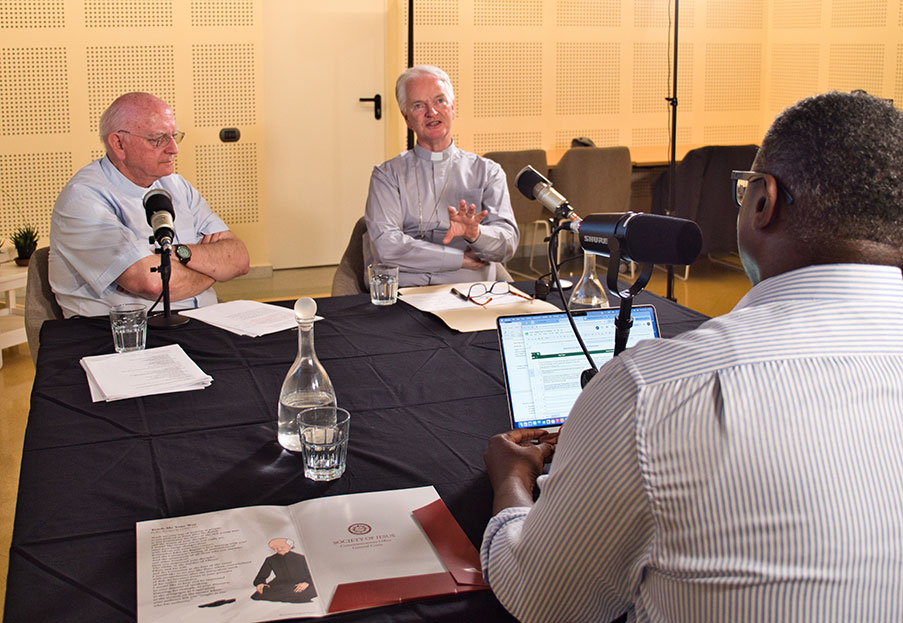
The General Curia of the Society of Jesus launches its brand-new Webinars’ Calendar. After being in pilot mode for the last two years, these meetings have proved to be incredibly useful, with sometimes up to 600 people taking part from all around the globe. The idea is to provide ongoing formation...
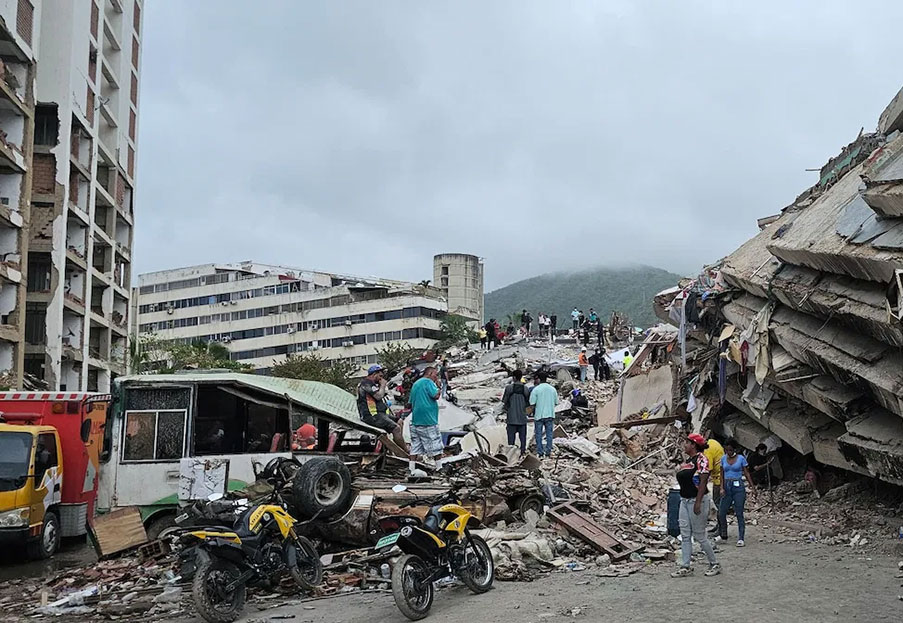
A series of powerful earthquakes have struck Venezuela on 24 June, causing widespread destruction across affected communities and leaving thousands of people in urgent need of assistance...
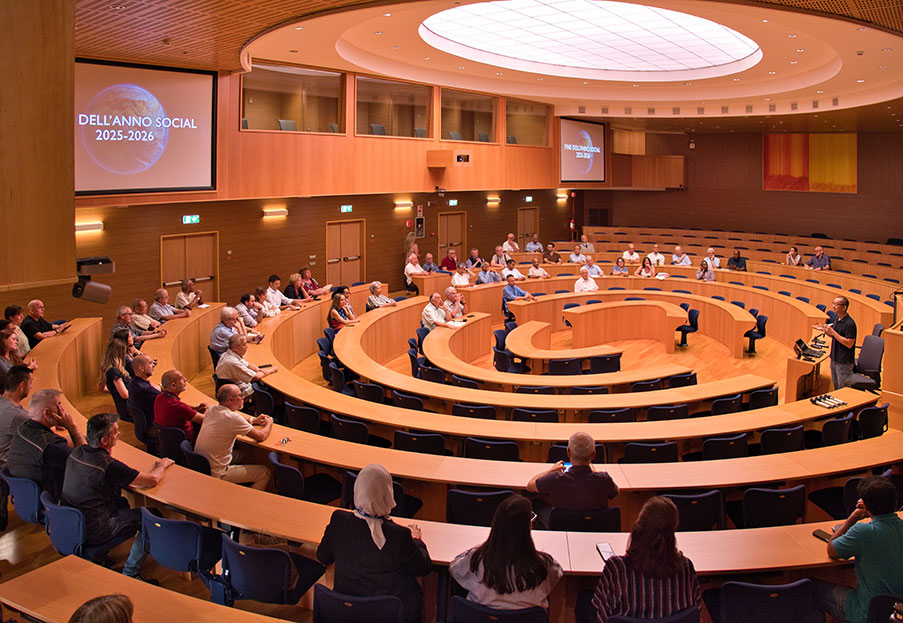
The General Curia concluded its social year with a gathering in the Aula on 19 June that brought together the Jesuit members of the Curia community and the lay collaborators that jointly sustain its administrative operations...

World Refugee Day is celebrated every year on 20 June. This international day was designated by the United Nations to honour refugees around the globe, shine a light on their plight, and work together to find long-term solutions to displacement.

The Enlarged Council brought together the Secretaries of the Apostolic Sectors, General Counsellors, General Treasurer, Presidents of Conferences, and other officials at the Curia to examine a central question: How to increase and deepen collaboration across apostolic...
On 5 June 1546, Paul III signed the brief “Exponi nobis”, which addressed how men who did not belong to the original group of highly qualified priests of the Society could nonetheless belong to it and serve its mission. The brief did so by establishing the grade of coadjutor...