Dreams of the ecological wager in the southwest of Colombia
By Alix Katherin Niño Corzo | Province of
Colombia
[From “Jesuits 2024 - The Society of Jesus in the world”]
The Instituto Mayor Campesino – IMCA – and the Suyusama Foundation are Jesuit social works that seek to build sustainable community processes and strengthen the social fabric in the south-west of the country.
Socio-environmental education and the struggle to construct or create zones of peace have been two driving forces behind the Colombian Jesuit Province’s ecological commitment. This mission has been led by the systemic and fraternal work of IMCA and Suyusama, two institutions located respectively in the Valle del Cauca and in Nariño, which are committed to promote sustainability, while developing proposals for the decent and dignified life of the region’s peasant, indigenous and Afro-descendant communities. Through mutual respect, equity and cooperation, they have generated tools for political advocacy and regional transformation. The process has entailed the awareness raising and training of communities in the service of an economy which is productive without degrading our common home.
For Erminsu David, director of the works, their engagement has borne many fruits: “promoting agro-ecology, becoming a resource for the support of projects, and expanding ecological awareness to many organisations.” He recognises the importance of conservation in this mission. “Becoming aware of the importance of healthy food, understanding and communicating that we harm nature through the indiscriminate use of agrochemicals, is like proclaiming the Gospel. It preserves our common home. However, the challenge is not only to provide comprehensive accompaniment, but also to encourage communities to continue generating their own spaces for development.” For this, the challenge, according to Luis Rodríguez, regional coordinator of Suyusama, is “to connect worlds and to plant seeds from which initiatives may grow”.
The following are experiences and testimonies that demonstrate the impact of ecological work in the region.
Water is life
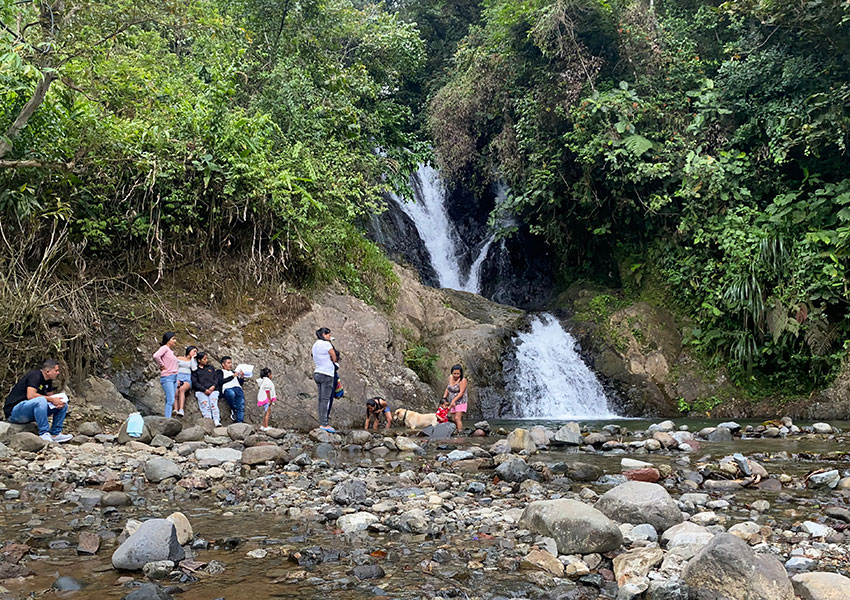
An initiative for the defence of water resources, since 2005 the National Network of Community Aqueducts, has supported a project to link organisational processes around the provision and conservation of water. Erminsu explains that the Network has enhanced the visibility of organisations that carry out conservation work without remuneration, has promoted understanding of the link between population and water scarcity, and has improved water access for those who had little.
Since 2009, Mariela Cardona, a community leader from Restrepo, Valle del Cauca, has participated in this process and has seen the positive impacts of the accompaniment. She notes, “IMCA has helped us defend water resources, improve the system of rural aqueducts, organise our own institution better, has given power to local communities and improved their management. Their guidance has been important in the development of our projects, in improving the quality of life, in the struggle against climate change, in promoting a more balanced ecosystem, and in regenerating the soil and in food security. Our gratitude is heartfelt.”
Food sovereignty
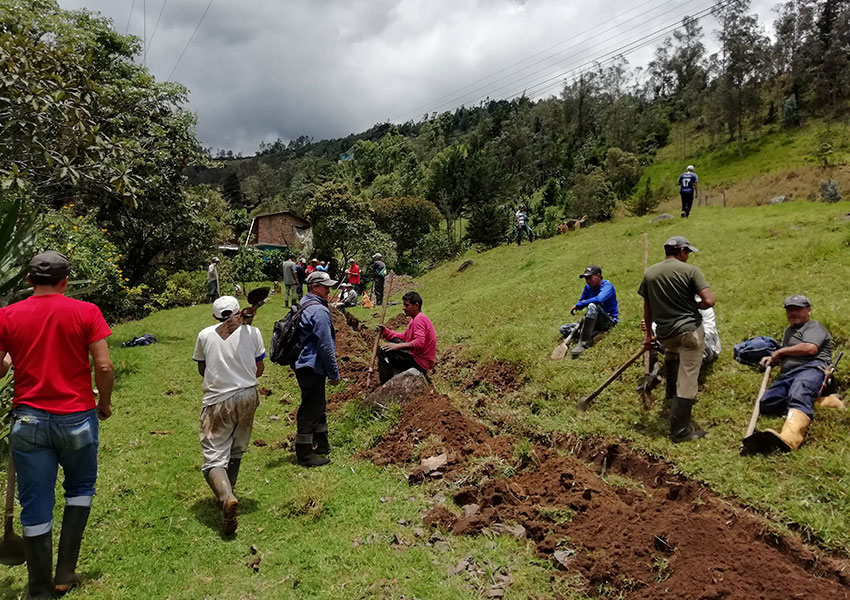
Work is carried out developing new forms of sustainable production and in food security. One major initiative has been to support the network of seed custodians, which conserves native seeds that promote biodiversity. Silvia Gómez, a Suyusama monitor and agro-ecological producer from the municipality of Consacá, explains that the “custodians”, mostly young people and rural women, protect and maintain various native varieties. Different seeds are exchanged. Children are involved and an annual event involves the whole community. Currently 60% of food for family consumption is produced in Silvia’s own home farm, and she has protected or rescued more than 70 varieties of native seeds. Her dream is to turn her farm into an edible forest.
Dreams for the future
As the needs of the different territories diversify, the IMCA-Suyusama alliance will continue to enhance the visibility of the south-west, one of Colombia’s forgotten regions, which yet has a high potential for organisational response; and, above all, to promote a profound conversion that allows the richness, diversity and plurality of creation to be enjoyed. The Jesuit Province of Colombia will continue to work for a world that embraces everyone and to mobilise hearts in the service of caring for the planet.

Related Posts:
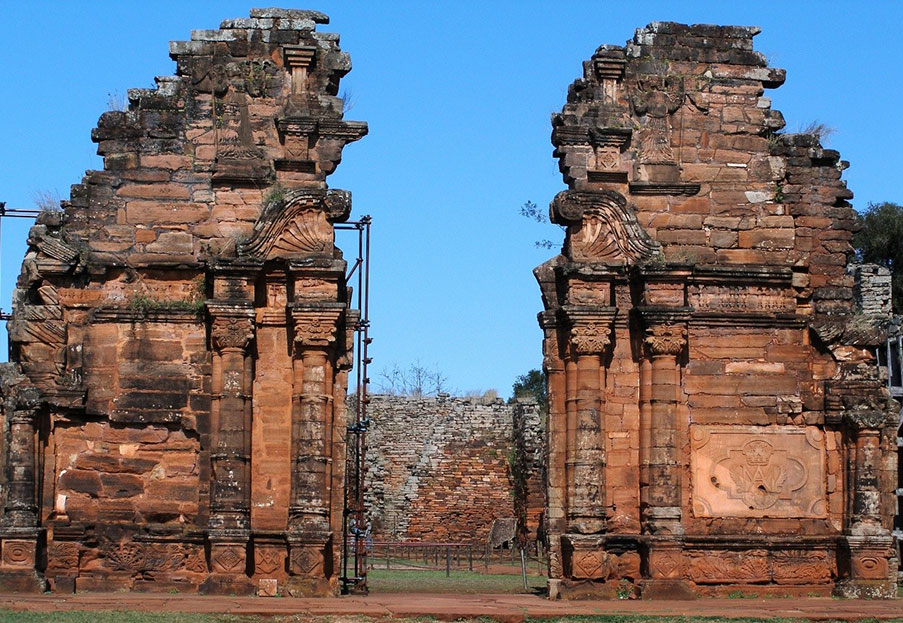
The Paraquarensis Province was separated from that of Peru in 1604. It comprised the territories of the present-day states of Paraguay, Argentina, Uruguay, part of Bolivia, and, temporarily, Chile. One of the most notable ministries in this Province was the Guaraní reductions...
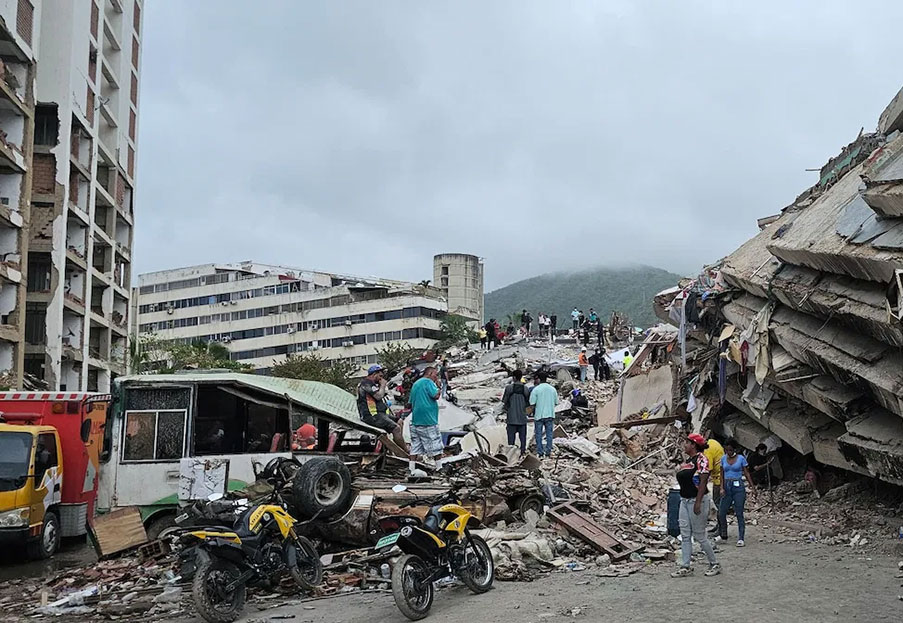
A series of powerful earthquakes have struck Venezuela on 24 June, causing widespread destruction across affected communities and leaving thousands of people in urgent need of assistance...

Pope Francis raised climate change to global consciousness as the defining moral issue of our time. As a result, the Church has become a global voice urging political accountability and personal responsibility for healing the planet. Building on his legacy, Pope Leo vigorously calls for urgent climate action...
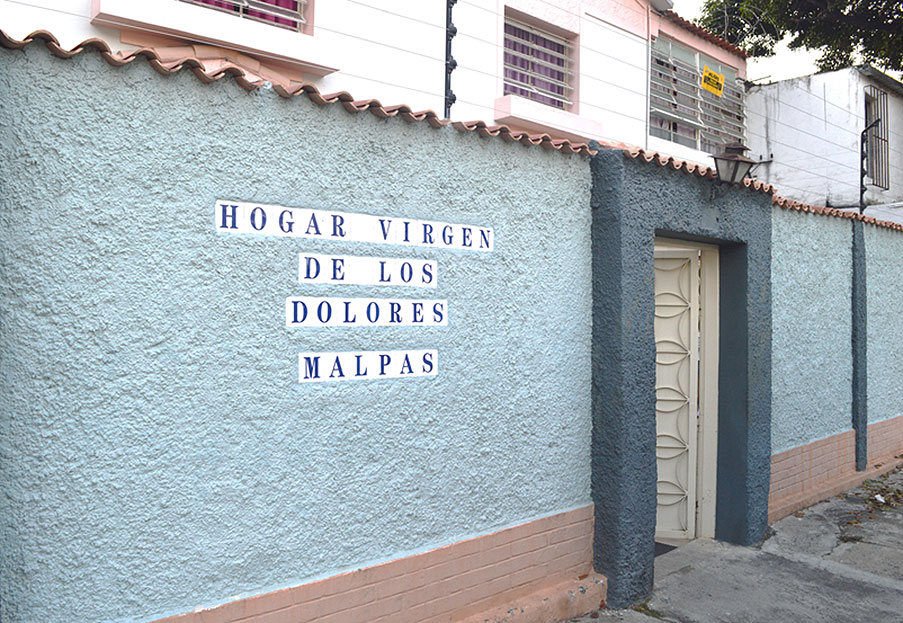
For eight decades, the Hogar Virgen de los Dolores (HVD) has served Venezuela’s most vulnerable children, building a legacy rooted in the Jesuit commitment to education and social justice. What began as an apostolic initiative has now evolved into a model of education...

The annual meeting of Eco-Jesuit delegates in South Asia, held at Inigo Bhawan in Matigara, Darjeeling, became much more than a routine gathering. Set against the fragile ecology of the Eastern Himalayas, the meeting turned into a moment of discernment on the future...

One of the Universal Apostolic Preferences promulgated by Father General in 2019 invites the Apostolic Body of the Society of Jesus to “Walk with the poor, the outcasts of the world, those whose dignity has been violated, in a mission of reconciliation and justice”...