Jesuits mobilize to help flood victims in southern Brazil
In 2024, the state of Rio Grande do Sul, located in the southern region of Brazil, faced one of the greatest climate tragedies in its history. According to official data, heavy rains and floods affected 2.4 million people. In total, 478 municipalities were affected and, so far, people are still in the process of recovering from the losses suffered.
The work of Jesuit institutions has been fundamental in this process. At the end of February 2025, the Architecture and Urban Planning course at the Universidade do Vale do Rio dos Sinos (Unisinos), through its Modelo (EMAU) office, completed a project to revitalize the recreation space of the “Maria Edila da Silva Schmidt” Municipal Primary School in São Leopoldo (RS). The local Municipal Department of Education supplied the materials and labor for the implementation of the initiative and thanks to this collaboration, it was possible to renovate the space and transform them into a more welcoming and safer environment for children.
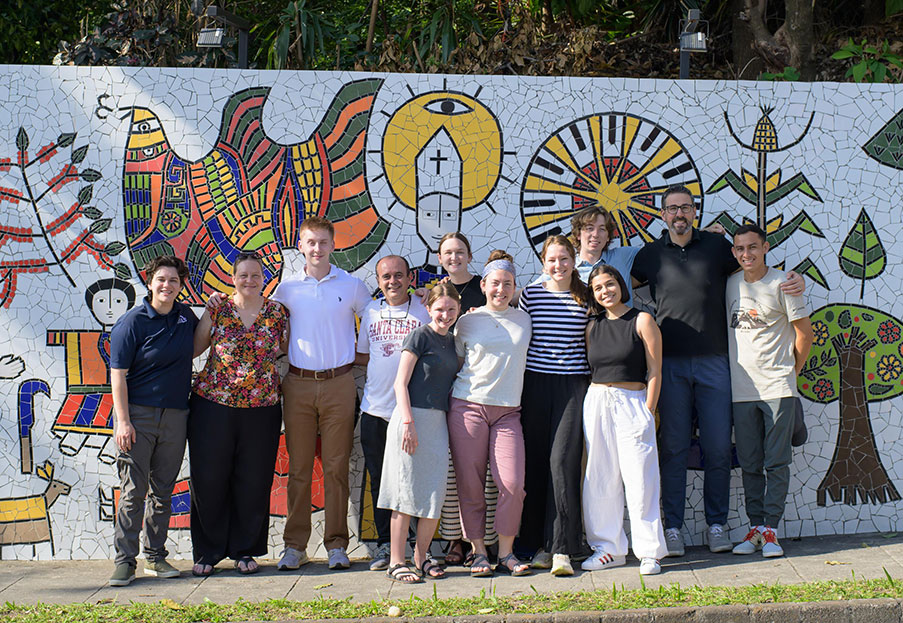
EMAU also organized a workshop to engage the school's students in the revitalization of the playground. New plants were planted and the school wall was painted, in collaboration with the architect and plastics artist Fernando Cardoso, a graduate of Unisinos. Just this March, the recreation modules were installed to stimulate creativity and interaction, and to guarantee accessibility for children of different ages. The equipment was acquired through donations from the Unisinos Collaborative Space and the UniSolidariedade program.
In addition to this work at the municipal school in São Leopoldo, the solidarity of different Jesuit works in helping the victims was very important. For example, donations in excess of 1 million US Dollars were raised, including over 92,700 hygiene and cleaning products, among other things.
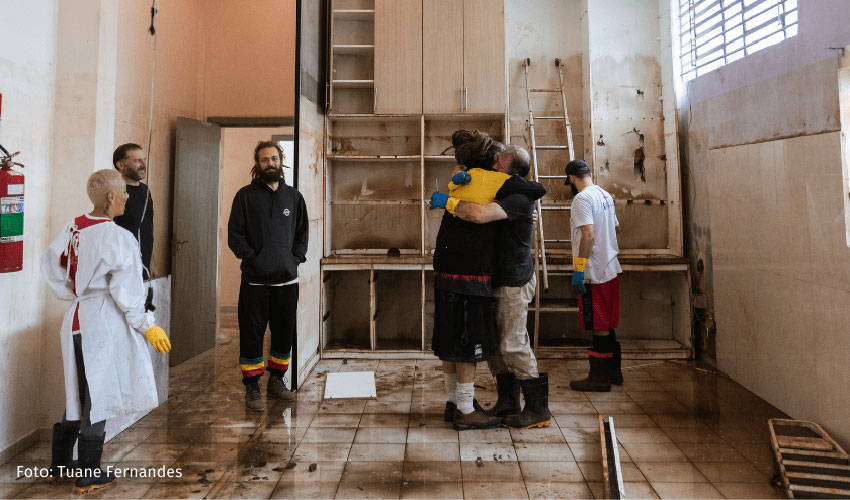
The Unisinos sports and recreation center in São Leopoldo also provided shelter for approximately 1,500 people, transforming the campus into the city’s largest hostel. The challenge of guaranteeing decent living conditions was met by means of an extensive logistical operation: under the supervision of nutritionists, six meals were prepared and served daily to the sheltered, totaling 2,000 meals per shift and 5,000 snacks distributed daily.
Many initiatives were developed in the most different areas. The health of the people in the shelter was a priority. In the outpatient clinic set up on the premises, teachers, students and graduates from the medical field volunteered to offer consultations, administer medication and accompany the elderly and sick in bed. In the absence of drinking water, the University quickly developed a simplified treatment system capable of processing 1,500 liters per hour.
In Porto Alegre, the state capital, the Anchieta School, which is part of the Jesuit Basic Education Network of the Province of Brazil, also took action: around 200 people were taken in at the Morro do Sabiá community center. In the same place, volunteers took turns in the services of donation, food preparation and recreational activities for children and teenagers. The school building was also made available so that teachers, staff and their families, also affected by the floods, could have access to drinking water and electricity.
Of the more than two million people affected by the flooding, it is estimated that 43,000 are in need of international protection. The Jesuit Service to Migrants and Refugees (SJMR) supported more than 3,500 people, offering orientation sessions on rights, emergency benefits, support with documentation and registration of needs in affected communities. Of that total, almost 1,000 families received direct financial assistance to guarantee food and hygiene.
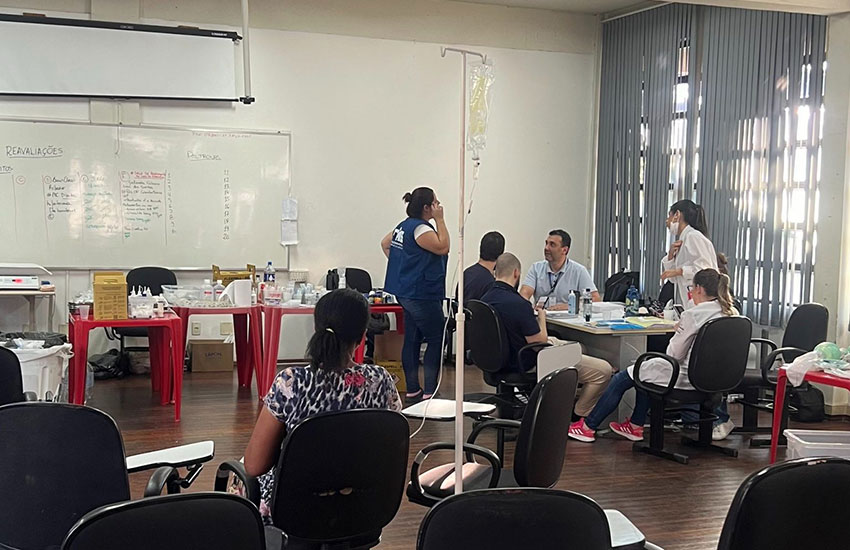
In the communities, people in need of job opportunities were identified and they were offered vocational courses, support in the preparation of CVs and participation in job fairs. The private sector mobilized to try to formally hire the refugees and migrants identified and trained them to present their skills during the job fairs. In the period after the floods, from May to December, out of 500 applications, around 380 people were given assistance and 22 companies became involved.
The flood and heavy rains also had a direct impact on the Fe y Alegría Foundation center in Porto Alegre and the surrounding community. The center that cares for vulnerable children and teenagers and homeless people remained flooded for four weeks. Staff, volunteers and service users also lost their homes. From the outset, Fe y Alegría has been committed to helping its students and their families, staff and the community in general, offering support and distributing donations.
In its efforts to rebuild the Center and resume activities, the Foundation launched an online campaign for direct donations and mobilized local and international cooperation partners, in addition to other works of the Society, which resulted in more than 2 million Reals in response to the emergency.
The capacity of the Society of Jesus to mobilize demonstrated that, in moments of crisis, solidarity proves to be a powerful force. With coordinated actions, donations and the dedication of volunteers, it was possible to offer physical, emotional and spiritual support to those who needed it most. Although the marks of the flood are still visible, the testimonies of compassion and resilience are also still there.

Related Posts:
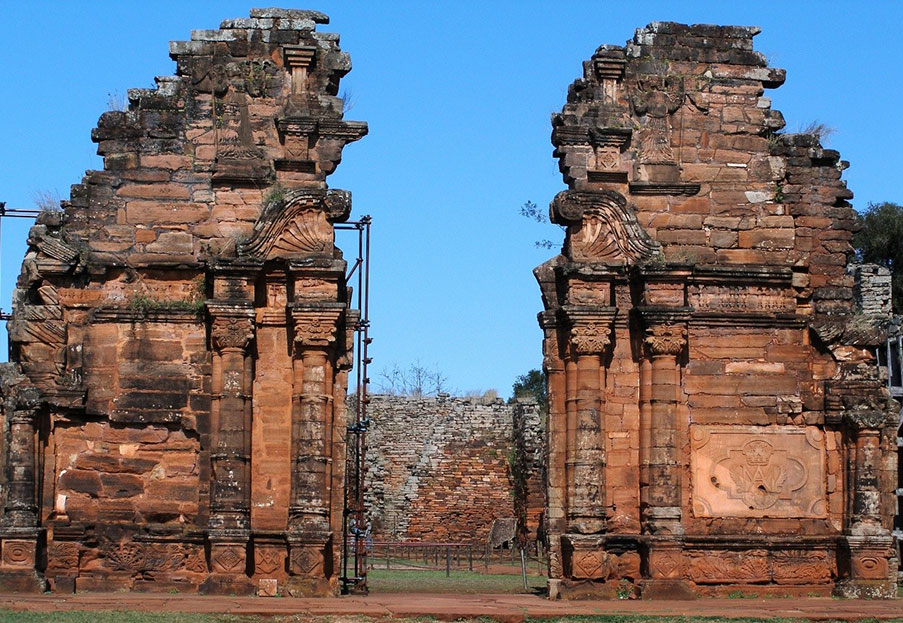
The Paraquarensis Province was separated from that of Peru in 1604. It comprised the territories of the present-day states of Paraguay, Argentina, Uruguay, part of Bolivia, and, temporarily, Chile. One of the most notable ministries in this Province was the Guaraní reductions...
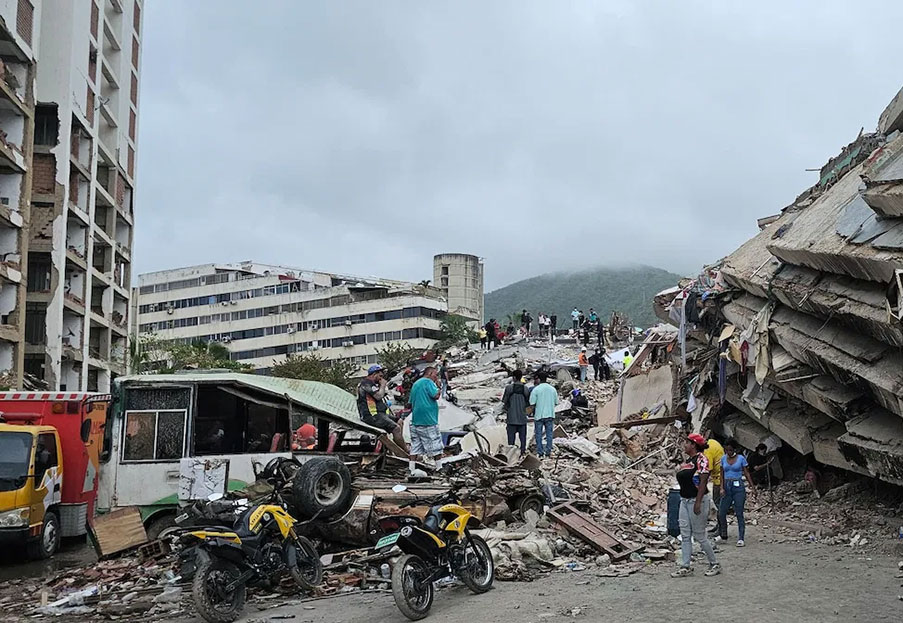
A series of powerful earthquakes have struck Venezuela on 24 June, causing widespread destruction across affected communities and leaving thousands of people in urgent need of assistance...

Pope Francis raised climate change to global consciousness as the defining moral issue of our time. As a result, the Church has become a global voice urging political accountability and personal responsibility for healing the planet. Building on his legacy, Pope Leo vigorously calls for urgent climate action...
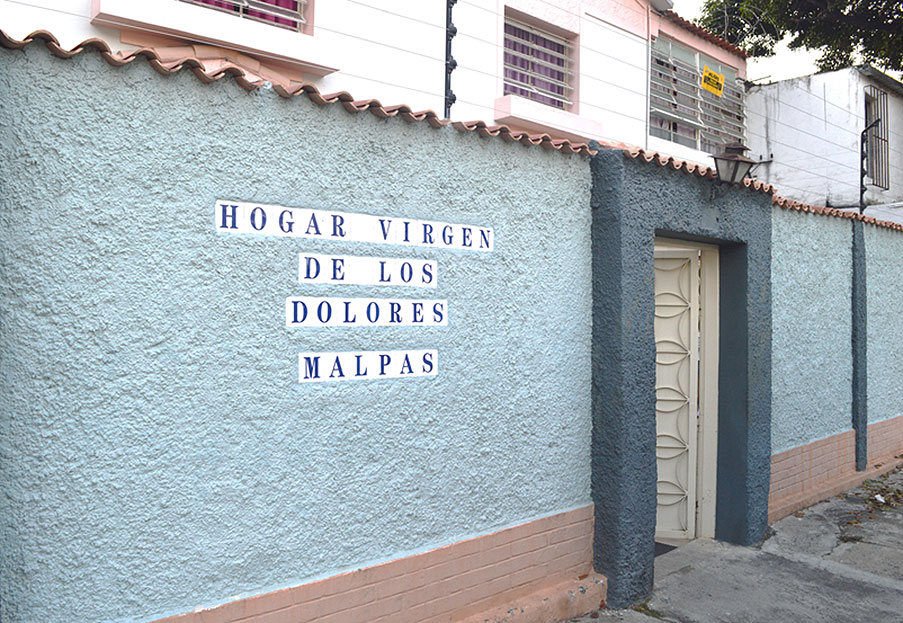
For eight decades, the Hogar Virgen de los Dolores (HVD) has served Venezuela’s most vulnerable children, building a legacy rooted in the Jesuit commitment to education and social justice. What began as an apostolic initiative has now evolved into a model of education...

The annual meeting of Eco-Jesuit delegates in South Asia, held at Inigo Bhawan in Matigara, Darjeeling, became much more than a routine gathering. Set against the fragile ecology of the Eastern Himalayas, the meeting turned into a moment of discernment on the future...

One of the Universal Apostolic Preferences promulgated by Father General in 2019 invites the Apostolic Body of the Society of Jesus to “Walk with the poor, the outcasts of the world, those whose dignity has been violated, in a mission of reconciliation and justice”...