The Challenge of Educating for Faith in the 21st Century continues…
Jesuit schools intentionally educate for Catholic faith in the 21st century by accompanying their students in discovering and deepening their core identity – their resilient faith – that emerges out of an encounter with God through an encounter with Jesus Christ that is supported by and celebrated within a community of faith and guided by adults formed and adept in Ignatian spirituality, our Catholic tradition, and the life of Jesus Christ, this identity entails dialogue with other religions and secular views, and implemented according to the local context and culture.
By José Mesa SJ
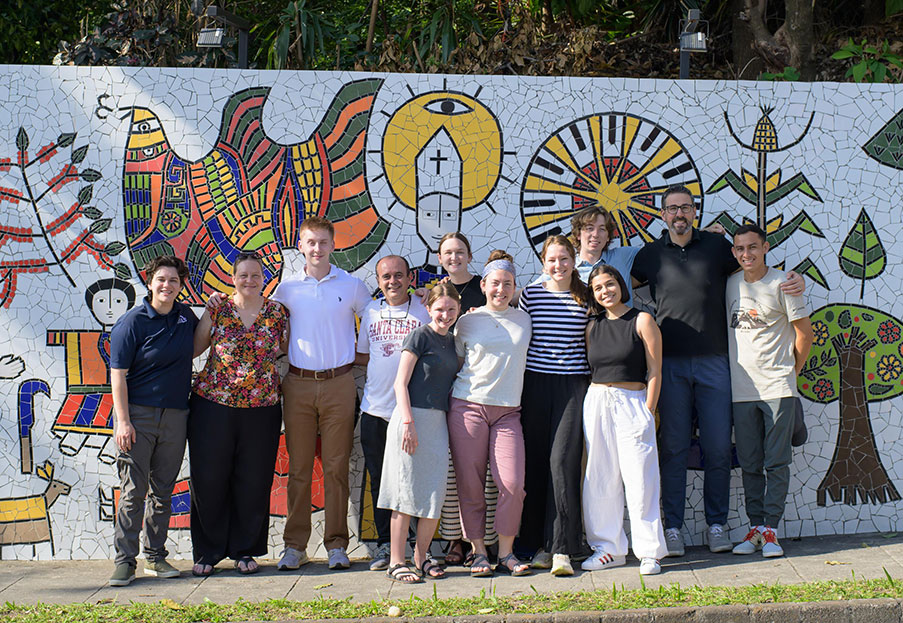
It was a year ago that 95 representatives of the Jesuit Global Network of Schools (JGNS) gathered in Jogjakarta, Indonesia to discern together how we can educate for faith in the 21st Century. The II Seminar JEDEDU-Jogja 2024 was truly a moment of deep discernment where we felt God’s presence in our midst as we recognized the very diverse contexts of our schools and the immense challenge that educating for faith represents today.
The Seminar was not intended to find “the answer” but rather to help us to continue the necessary ongoing discernment on this central aspect of our education at the local, regional and global levels. As the vision statement argues “Educating for Faith in the 21st Century requires a discernment that must continue at all levels of Jesuit schools and networks. Local, national, regional, and global contexts must be considered when making decisions and proposing plans.”
The good news is that regional and local networks have continued the discernment.
The European delegates of education dedicated their JECSE meeting in November 2024 to the topic, understanding better their own context and the different local contexts and finding ways to make sure that educating for faith remains at the centre. JSN North America (the network of Jesuit Schools in North America) has organized its triennial colloquium in June 2025, with more than 400 participants, focusing on “the faith formation and religious education of our students, particularly as they navigate the invitations and challenges of a secularizing culture”. No doubt this colloquium will help the schools in this part of the world to renew their commitment to the faith formation of their students in a creative and appropriate way.

I also had the opportunity to accompany one of the zonal triennial meetings of our schools in South Asia (JEASA) in Patna, India. The topic of faith formation was also very present in the context of a particularly challenging moment for our education in India and the need to find ways to make sure that our legacy and Jesuit education can be offered to the new generations in this part of the world was highlighted. The provincial delegates of education also met later and decided that all schools in the region will work on the topic during the new academic year creating opportunities to deepen the discernment.
JASBEAM, the network of our schools in Africa and Madagascar, has announced its own colloquium under the theme “Committed to Networking at the Service of the Mission to Educate for Faith in the 21st Century” in an event that promises to be an important moment for our schools in this part of the world. Similarly, our schools in Latin America (FLACSI) and Asia Pacific (JCAP-Education) have discussed the topic with their delegates and are making decisions on how to continue the momentum reached in Jogjakarta.
The topic of faith formation and Catholic identity not only refers to one of the Global Identifiers (#1 Jesuit Schools are committed to being Catholic and to offer in-depth faith formation), but it is essential to our education. As we know, St Ignatius of Loyola and the first companions engaged in education because they saw it as a great opportunity to share with the new generations the spiritual experience that had transformed their lives, a spiritual experience as an encounter with Jesus – poor and humble man. This experience led them to dedicate their life in service of God and others and later to establish the Society of Jesus as a religious order.

In the Constitutions of the Society of Jesus, Ignatius explains its end: “to devote itself with God’s grace not only to the salvation and perfection of the members’ own souls, but also with that same grace to labour strenuously in giving aid toward the salvation and perfection of the souls of their neighbours” (Constitutions #2). The language can sound passé for us, but the intention is the same that Fr Arrupe captured with an expression that we know by heart “to become persons for and with others.” For Ignatius, the glory of God and the service of the common good are intrinsically linked; in more contemporary words that speak to our time: the service of faith requires the promotion of justice. In this sense, educating for faith centres us again in our core tradition and reveals the deepest meaning of human excellence: to propose Jesus as the model of humanity.
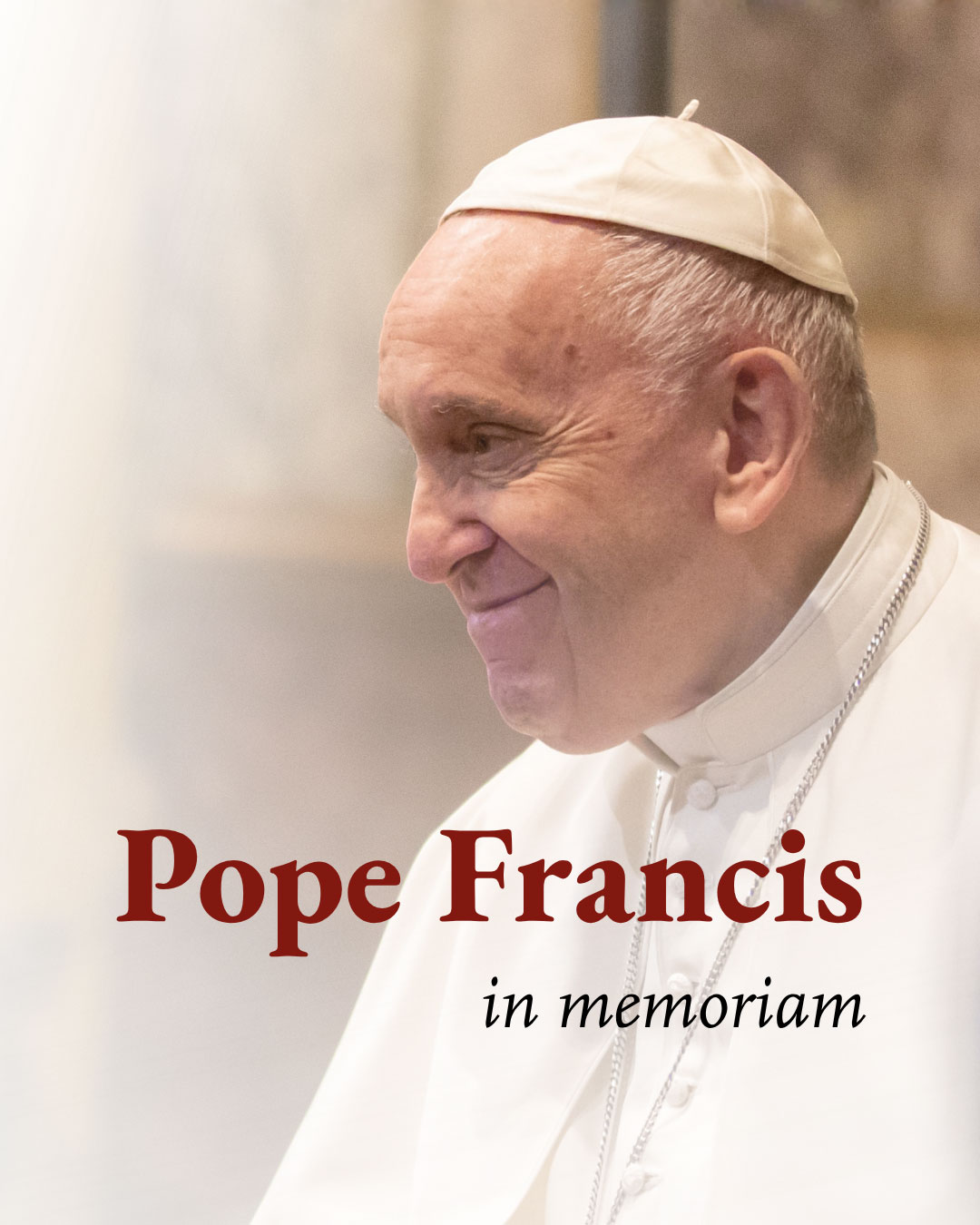
Pope Francis also highlighted in his address to the members of ICAJE (International Commission on the Apostolate of Jesuit Education) in 2024 what constitutes the core of Jesuit education as he explains its historic role: “Without doubt, the Jesuit schools have ensured that the message of the Gospel continues to be listened to by the new generations, accompanied by their characteristic academic and intellectual rigour. But the centre is, and must continue to be, Jesus.” In this same address Pope Francis expressed his happiness for, at that point, the upcoming international seminar in Jogjakarta so that young people today “can experience [Jesus’] liberating and salvific mystery”.
In Jogjakarta we remembered that the centre is, and must continue to be, Jesus... today, more than ever, the reason for Jesuit Education is relevant to our world. Let us continue the discernment on how we can educate for faith in the 21st Century in our post-Christendom, secularized, post-secularized, religiously diverse, and amazing world!
[Source: Educate Magis]

Related Posts:
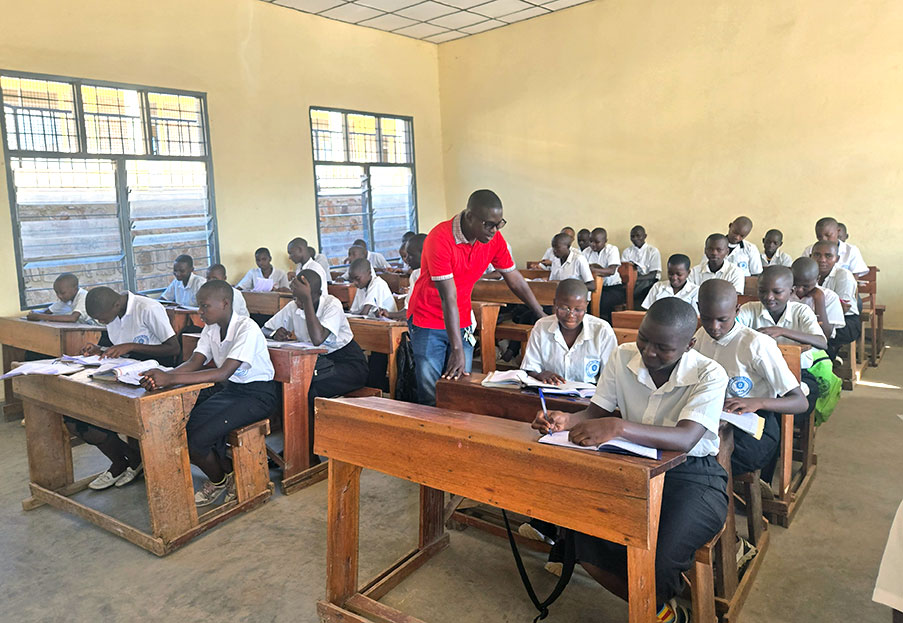
École Fondamentale Saint Louis de Gonzague was built to give every child space to be included, to live and learn alongside others, and to recognize their dignity as human beings. When the Jesuits founded the school in September 2004, in a region greatly affected by...
As the Society of Jesus prepares for the II Congress JESEDU-Montreal 2027, a global process of review, discernment, and foresight is now underway. This initiative seeks to evaluate how the shared vision for Jesuit education has been implemented across the worldwide network of...

The Secretary for Secondary and Pre-secondary Education, with great joy and gratitude, announces that Fr Hugo Gómez Sevilla, SJ, a Jesuit leader with a wealth of valuable international leadership experience building networks, pastoral sensitivity, and a deep commitment to Jesuit education...
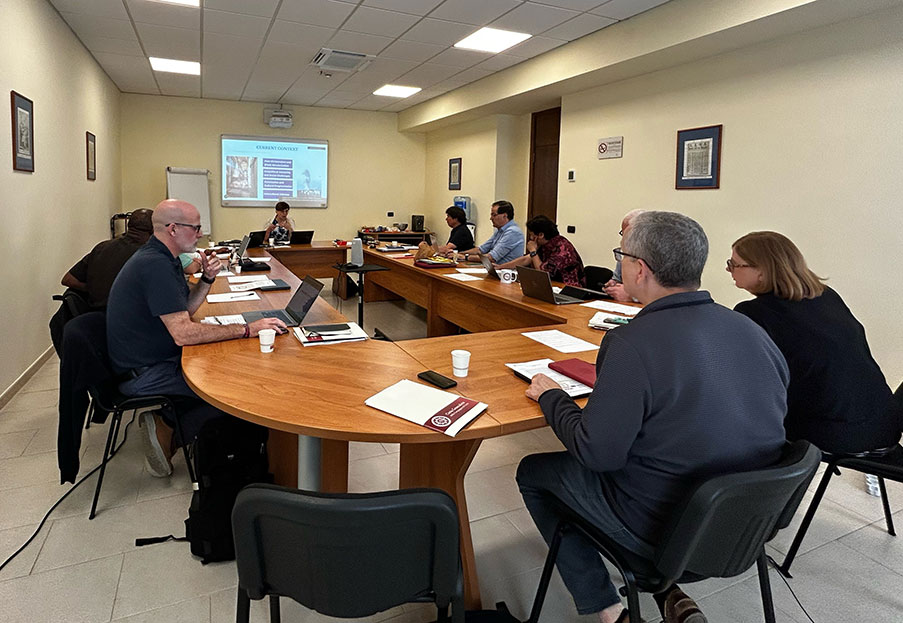
The ICAJE (International Commission on the Apostolate of Jesuit Education) and JGNS (Jesuit Global Network of Schools) Board meeting took place from 26 May to 29 May 2026, bringing together leaders of the global Jesuit educational apostolate to reflect on shared priorities...

After three years of being ad experimentum with the Jesuit Conference of Asia Pacific (JCAP), the Pakistan Jesuit Mission pauses to reflect on what it means to live and serve in this land. These years have not been easy. Pakistan is often described as an “arduous” place...
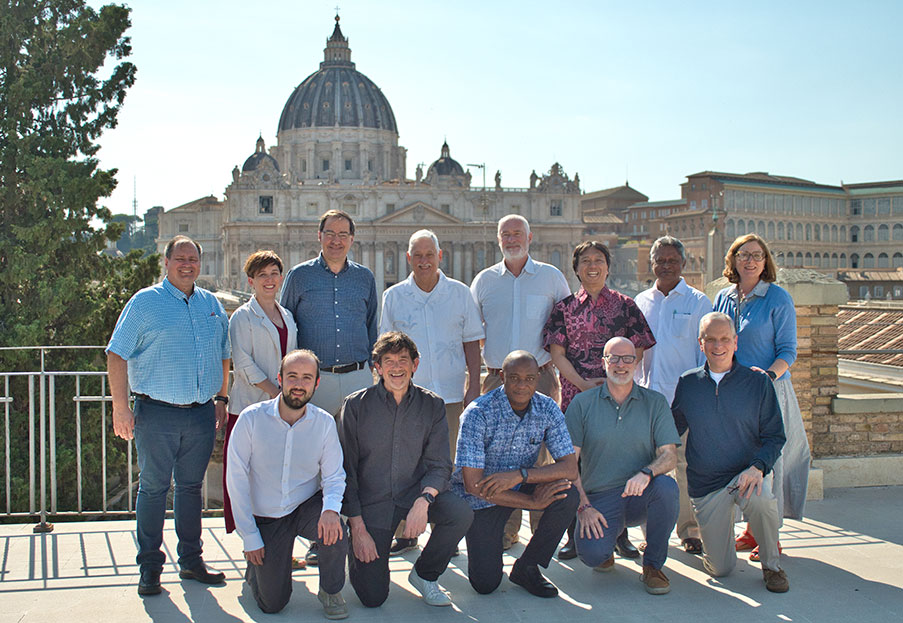
The International Commission on the Apostolate of Jesuit Education (ICAJE) supports the Secretariat for Secondary and Pre-Secondary Education in animating, coordinating, and renewing Jesuit education worldwide. Since its establishment in 1980, ICAJE has fostered collaboration...