Refugees as protected members of the Jesuit house community
Asylum for rejected refugees is practised in Nuremberg as a unique form of service to those who are most vulnerable in society
At the Jesuit Ukama Centre in Nuremberg, Germany, everything revolves around social and ecological transformation. But that’s not all. When Father General Arturo Sosa visits the place during his visit to Germany and the Central European Province (ECE), he will also meet foreign residents who have found temporary shelter there for a few months: rejected asylum seekers. The Jesuits live together with them in the house community, help them to handle their status before the law and start their integration into German society by language lessons.
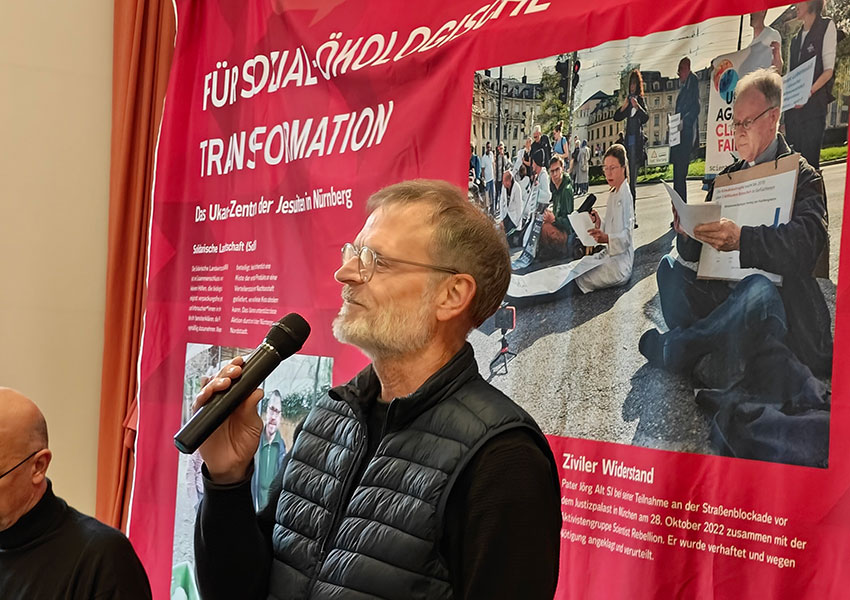
Brother Dieter Müller from the Ukama Centre explains this unique form of church asylum as a service to the most marginalized and vulnerable in German society.
By Dieter Müller, SJ
Inspired by the sanctuary movement in the United States, the idea of church asylum was established in Germany in the 1980s. However, it was only some 30 years later that it spread rapidly – prompted by the eviction of a church asylum in Augsburg, Bavaria, on 18 February 2014. A Chechen woman with her four kids was transferred back to Poland, where she had previously travelled through – a typical so-called Dublin case. The furore was huge and the press covered the issue for days. Since then, I have been working for the Jesuit Refugee Service (JRS) as a counsellor and supporter of parishes and congregations in Bavaria on this politically and legally controversial topic. In my community at the Ukama Centre for Socio-Ecological Transformation in Nuremberg, church asylum is practiced continuously in three rooms.
“We were beaten, imprisoned in cramped conditions with terrible sanitary conditions and they gave us only little to eat. The nightmare did not end until we gave our fingerprints for registration. Then they shouted at us: Away you go!” Many refugees coming via Bulgaria tell stories like this. In some other European Union member states, conditions are just as questionable in terms of human rights, either through mistreatment or complete neglect.
Church asylum makes a fair asylum process possible
The European Dublin Regulation stipulates that the member state of first entry is responsible for the asylum procedure. Registration by taking fingerprints is mandatory. When refugees move on to another member state, the authorities there have six months to organize the transfer back; otherwise, they become responsible for the asylum procedure. This is where church asylum comes in. It bridges the period in order to provide refugees coming from difficult situations in another member state a fair asylum procedure in Germany.
The process of church asylum is as follows: on the day of arrival of a refugee at a church, it must be reported to the relevant authorities. And within the following four weeks, a dossier must be submitted explaining the hardships the refugee was exposed to in the other member state. The migration office examines the dossier and decides whether Germany will voluntarily take over the asylum procedure. In the vast majority of cases, however, the dossier is rejected. Church asylum must then continue until the end of the six-month period.
Between 1,000 and 2,000 church asylums annually
It is also important to look at the country of origin when accepting someone into church asylum. The chances of a successful asylum procedure in Germany should be considered in advance. Syrians and Afghans have a very good prospect of staying, which is why they make up the largest number of those in church asylum. Between 1,000 and 2,000 church asylums have been granted annually in recent years. However, the number of requests – whether from the refugees themselves, from lawyers or from supporters – far exceeds the number of available slots.
What does the everyday life of a refugee in church asylum look like? At the Ukama Centre the refugees are not living separately from the Jesuits. They are temporary members of the house community. It is from there that they start to integrate into German society, practice German as best as they can, learn about our Christian way of life, just as we learn about their mostly Islamic origins and about their families in Afghanistan, Syria or elsewhere. If and when their church asylum situation would end, theywould no longer be such strangers in Germany.
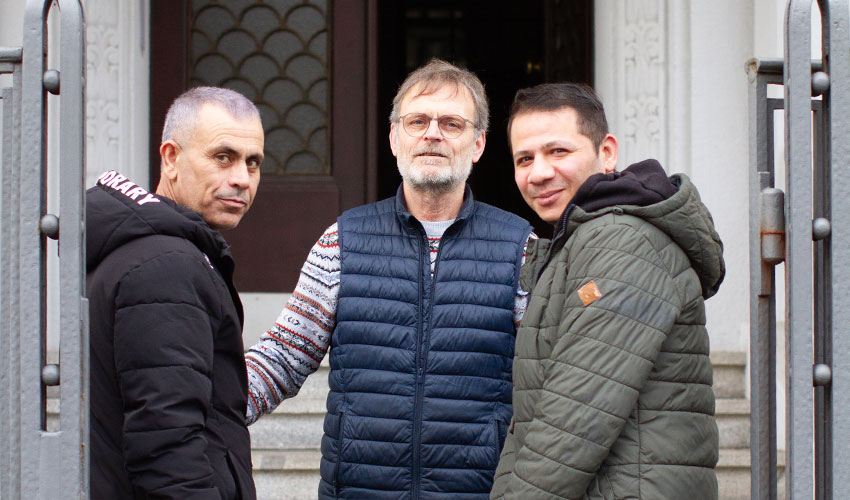
Let’s hear from some refugees who wrote to the community after their stay:
“Dear all, how are you? I am doing well, and I have some news. I took an assessment test and then got confirmation. This means that I can now take the German test straight away. And last week I received the decision from the migration office. I have been granted refugee status! I am so happy! Fayaz and Mustafa are happy too. Fayaz got the decision: “deportation forbidden”, and Mustafa is still waiting for decision about his case.”
“Hello Dieter, I am now at a friend’s house. Thank you all from the bottom of my heart. May God grant you success. May Jesus protect you from all evil. For the sake of our Master Muhammad, may God bless you and grant you peace.”
“Dear family, on the occasion of the birth of Jesus Christ – may God bless Him – and at the beginning of a new year, I extend my warmest congratulations and blessings. I ask Allah to make you happy and that he will never end to fill your hearts. Christmas brings with it a message from heaven that embodies love and peace. I wish you days full of blessings and goodness.”
Related Posts:
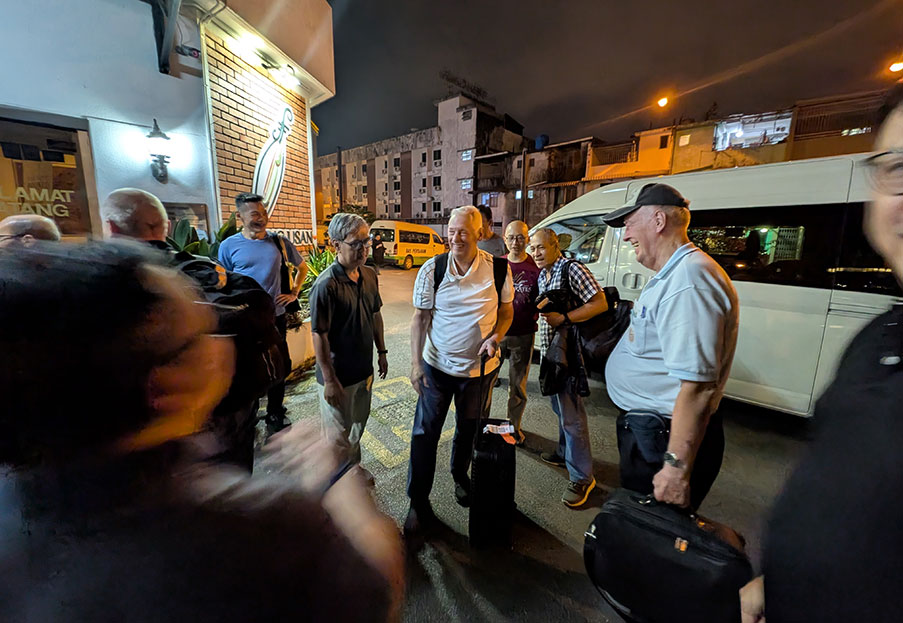
Fr Arturo Sosa, SJ, arrived in Kuching, Malaysia to begin his 5th apostolic visitation of the Jesuit Conference of Asia Pacific (JCAP). With a full schedule of meetings and travel between different Jesuit ministries and communities in Malaysia, Thailand and Indonesia...
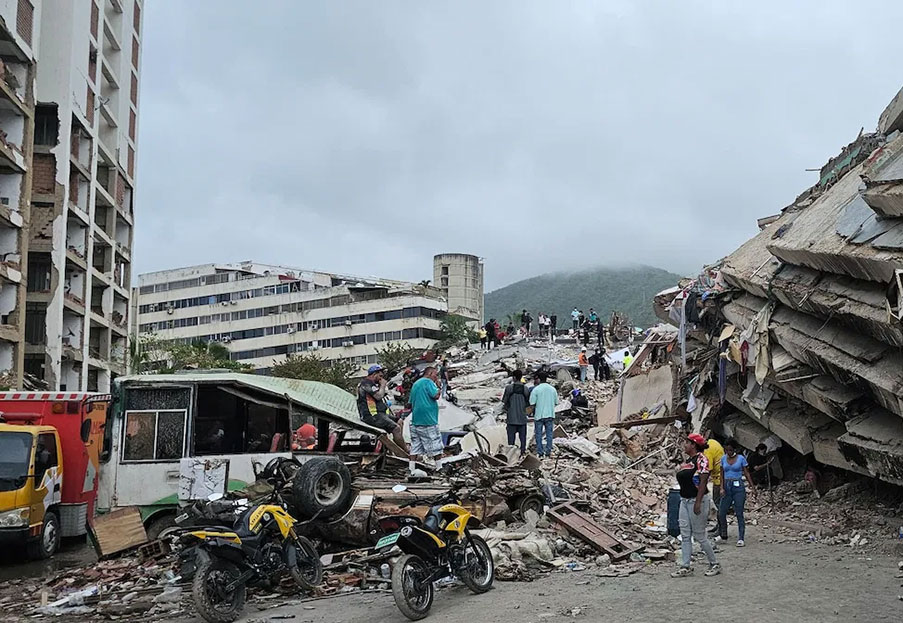
A series of powerful earthquakes have struck Venezuela on 24 June, causing widespread destruction across affected communities and leaving thousands of people in urgent need of assistance...
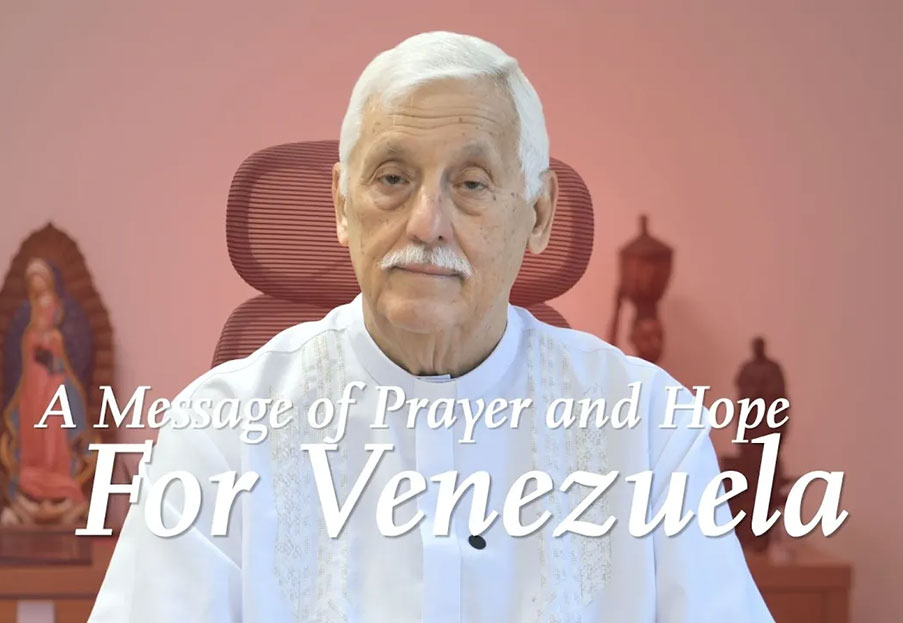
As Venezuela begins the difficult task of recovering after two strong earthquakes that claimed lives, left many missing and caused widespread destruction, Father General Arturo Sosa has sent a message of closeness and hope to the Venezuelan people.
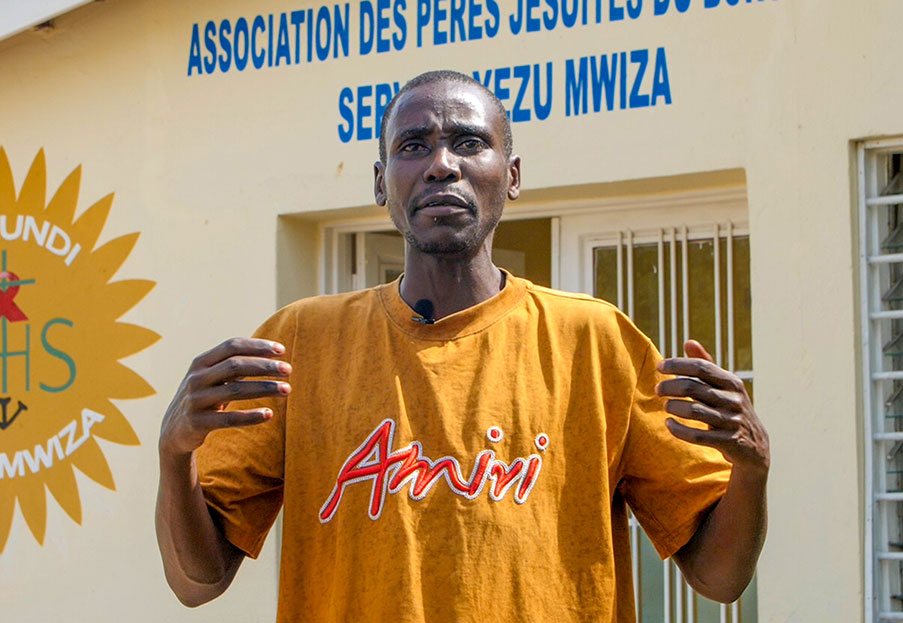
Service Yezu Mwiza (SYM) is a Christian, socio-medical organization dedicated to fighting HIV/AIDS, tuberculosis, and malaria, while promoting holistic healthcare and social justice. Founded in 2008, it operates as a prominent reference centre under the care of the Jesuits in Burundi...
As the Society of Jesus prepares for the II Congress JESEDU-Montreal 2027, a global process of review, discernment, and foresight is now underway. This initiative seeks to evaluate how the shared vision for Jesuit education has been implemented across the worldwide network of...
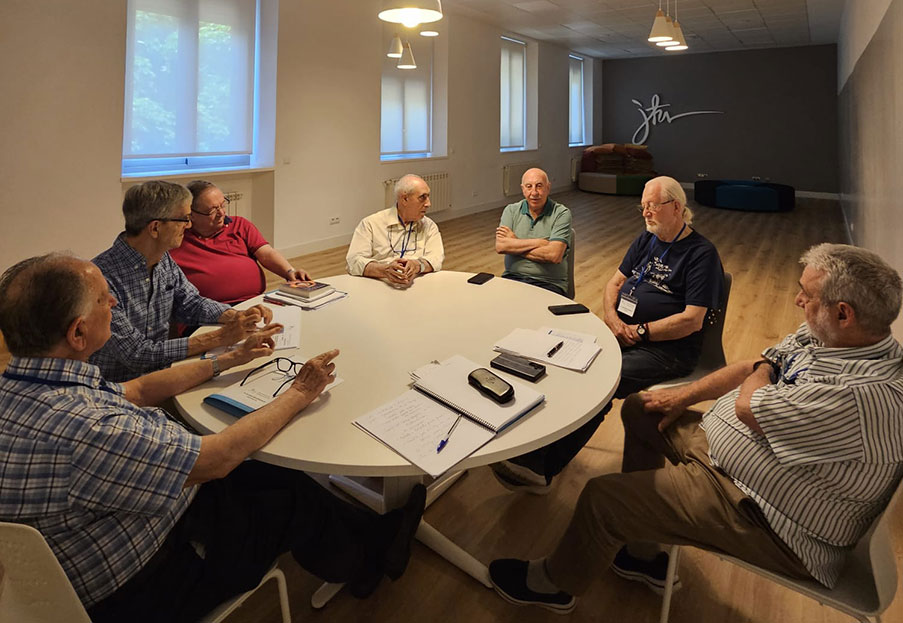
From 23 – 31 May, the Delegation for the Elderly of the Spanish Province organised the third edition of the formation course for elderly Jesuits at the Jesuit House in Salamanca. The program brought together 24 Jesuits aged between 70 and 85, with one or two participants in their 90s...