How a Small Village Became the Heart of Hope for Bangladesh’s Forgotten Tribes
By Patrick Vincent, SJ
In the rural expanse of northwestern Bangladesh, where dusty roads wind through villages most of the world has forgotten, a quiet revolution of faith and justice is unfolding. This is the story of Pachuria – a remote mission station where Jesuit priests have chosen to live among the Santal people, one of the region’s most marginalized communities.
An Invitation to Serve
The journey began in 2009 when Bishop Gervas Rozario of the Rajshahi Catholic Diocese extended an invitation that would change countless lives. He asked the Bangladesh Jesuit Mission to care for Bhobanipur, a neglected sub-station in Natore district’s Baraigram Upazila. What started as a modest outreach evolved dramatically: Bhobanipur became a Quasi-Parish in 2013 and a full parish by 2015. Today, two Jesuit priests serve as shepherds to a scattered flock, reaching communities up to 35 kilometers away.
Their parish encompasses four mission stations – Domrai, Pachuria, Rangamati, and Nawdapara – each nestled among tribal villages where faith and survival intertwine daily. These are communities living on the margins: Santal and Pahari tribes whose voices are rarely heard, whose rights are routinely ignored, and whose futures often seem predetermined by poverty and discrimination.
The Forgotten People
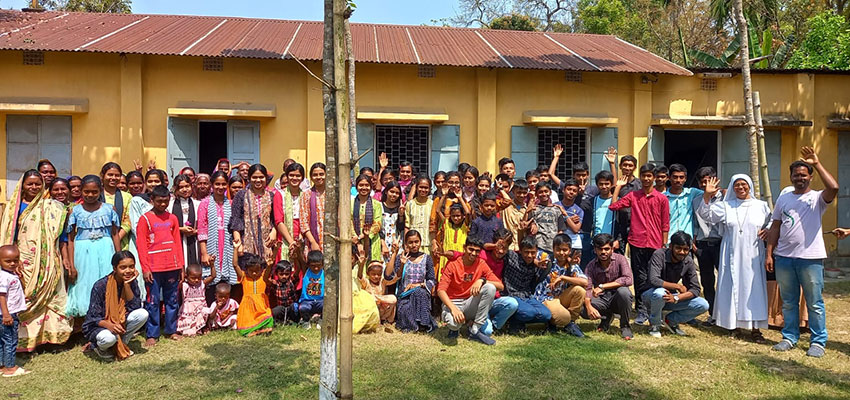
The Santals have a proud but painful history. Centuries ago, feudal landlords brought them from India’s heartlands to till Bengali soil. They’ve resisted oppression ever since – fighting in the Tebhaga movement, standing up during the 1971 Liberation War. Yet independence brought little relief. Today, they struggle for land rights in a country where they’re outsiders, fight to preserve their culture amid a dominant Muslim majority, and battle poverty without adequate education or legal protection. In Pachuria, a village mission station under St. Francis Xavier Church, these challenges are lived realities. But so is hope.
A Priest Who Chose the Sacristy
Enter Fr Eric Tigga, SJ – a Jesuit missionary from India who arrived in 2012 and made a decision that would define the mission’s character. Rather than maintaining a comfortable distance, Fr Eric moved into Pachuria’s small church sacristy. No rectory, no amenities – just a simple room beside the altar. Villagers took turns bringing him meals, a practice that broke down barriers between priest and people.
Why Pachuria? Its central location made it the perfect hub for reaching all four mission stations. But Fr Eric’s choice went deeper. By living as the people lived, celebrating Mass in their villages, and sharing their struggles, he built something more durable than church buildings: a foundation of radical trust. When he left in 2015, that foundation remained – and continues to grow today.
Education as Liberation
Walk through Pachuria on any afternoon and you’ll find students streaming into the Loyola Study Centre, established in 2022. Government schools in rural Bangladesh often fail these children – overcrowded classrooms, absent teachers, inadequate resources. The Jesuits recognized that without educational support, another generation would be trapped in poverty’s cycle.
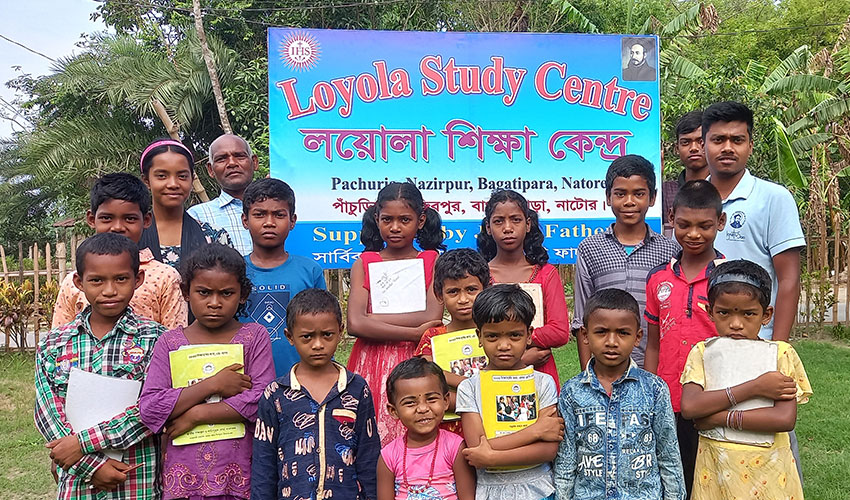
So, they created a space where tribal students receive free tutoring and mentorship. It’s more than homework help; it’s a declaration that these children matter, that their futures hold possibility, that education can be their pathway to dignity.
Where Culture Meets Faith
Once a year, something extraordinary happens in Pachuria. Families from all four mission stations converge for St. Joseph’s Gathering – a celebration born from the vision of Fr Joseph Mistri. It’s part reunion, part cultural festival, part spiritual renewal. Santals and Paharis come together to share traditional dances, songs, stories, and prayers. For people scattered across dozens of kilometres, often feeling isolated and invisible, this gathering affirms a powerful truth: you are not alone.
The event strengthens bonds across villages and generations, creating a community where individual struggles become shared burdens and collective joys.
Beyond the Sunday Service
The Jesuit presence in Pachuria extends far beyond sacramental ministry. When tribal families face land disputes or legal injustices – common occurrences for people with little power or literacy – the priests provide legal aid and advocacy. When discrimination or exploitation occurs, they offer moral support and amplification of silenced voices. Through regular programs for children, youth, and parents, they address both spiritual hunger and practical socio-economic needs.
This is ministry at the grassroots – messy, demanding, deeply incarnational work that requires priests to be pastors, teachers, advocates, and companions all at once.
A Living Testament
The Pachuria mission embodies what St Ignatius called “contemplatives in action” – people so immersed in prayer that they can’t help but pursue justice, so attentive to God that they see Christ in the faces of the poor.
In a world increasingly divided between rich and poor, powerful and powerless, the Jesuits of Bhobanipur Parish have made their choice clear. They’ve pitched their tents among the forgotten, believing that faith without justice is hollow, and that the Gospel must be good news especially for those who’ve heard precious little good news in their lives.
The Santal and Pahari communities they serve may never make international headlines. But in the daily rhythm of Mass and tutoring sessions, legal aid and cultural celebrations, land disputes and literacy programs, something profound is happening: lives are being transformed, dignity is being restored, and hope is taking root in unlikely soil. This is mission at the grassroots. And it’s changing everything.
Father General Sosa’s Heartwarming Visit to Pachuria’s Santal Faithful
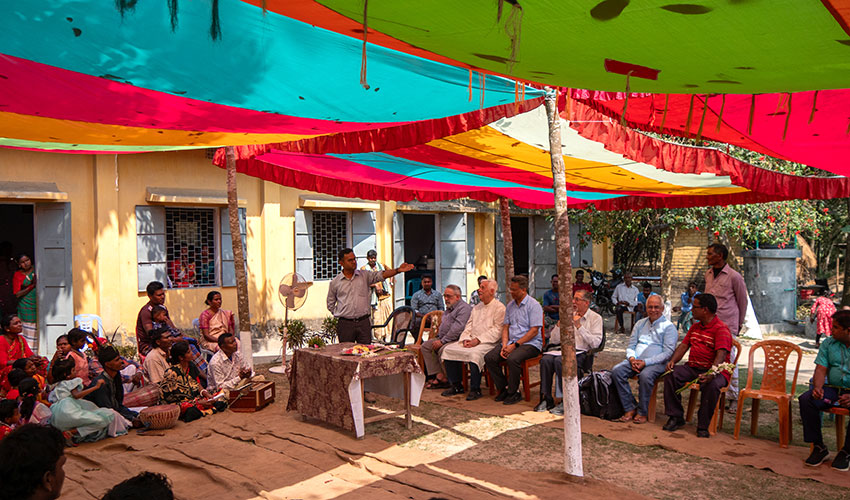
Father General Arturo Sosa made a visit to Pachuria, where he warmly met with the faithful members of the Santal tribes. The community greeted him with an outpouring of joy and hospitality, creating a truly heartwarming atmosphere. In his address to the Santal community, Fr General offered inspiring and encouraging words, drawing from themes of faith, unity, and hope. His presence left a profound and lasting impact on everyone, strengthening their spiritual bonds and renewing their commitment to their traditions.



Related Posts:
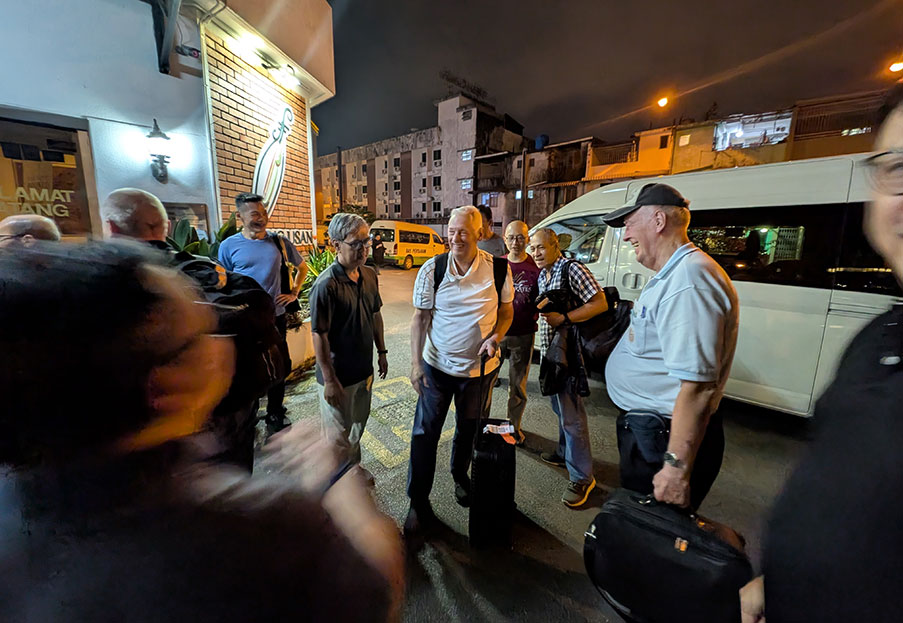
Fr Arturo Sosa, SJ, arrived in Kuching, Malaysia to begin his 5th apostolic visitation of the Jesuit Conference of Asia Pacific (JCAP). With a full schedule of meetings and travel between different Jesuit ministries and communities in Malaysia, Thailand and Indonesia...
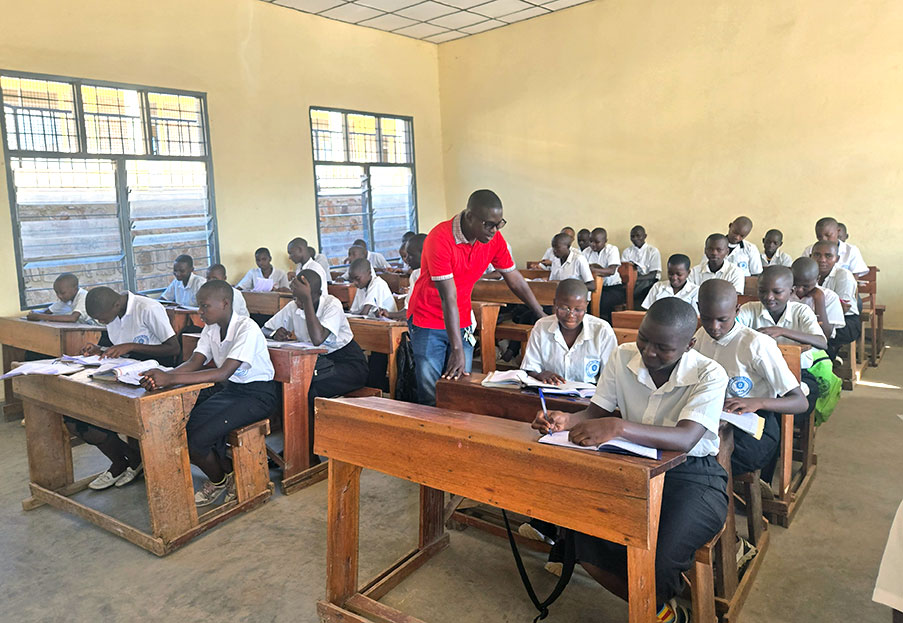
École Fondamentale Saint Louis de Gonzague was built to give every child space to be included, to live and learn alongside others, and to recognize their dignity as human beings. When the Jesuits founded the school in September 2004, in a region greatly affected by...
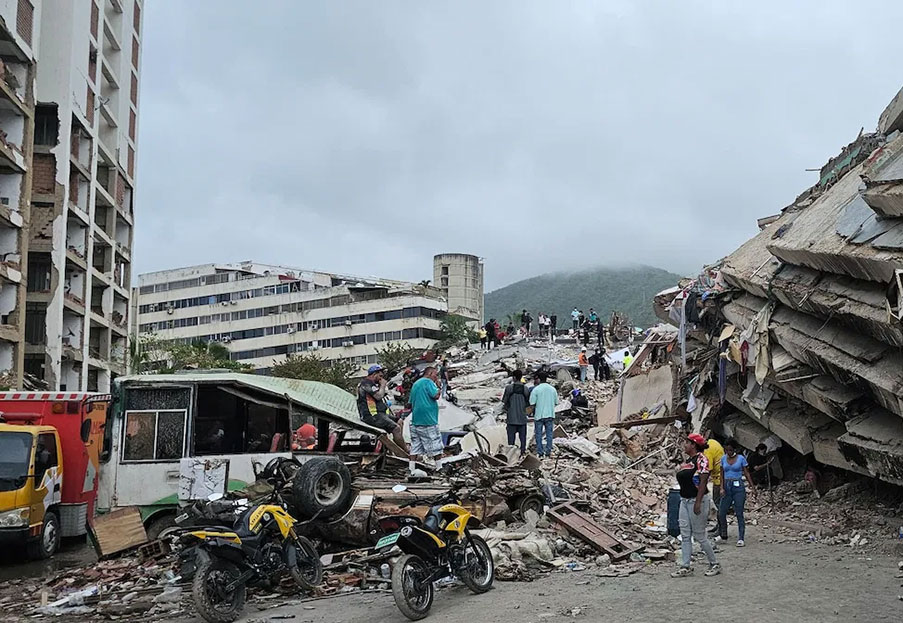
A series of powerful earthquakes have struck Venezuela on 24 June, causing widespread destruction across affected communities and leaving thousands of people in urgent need of assistance...
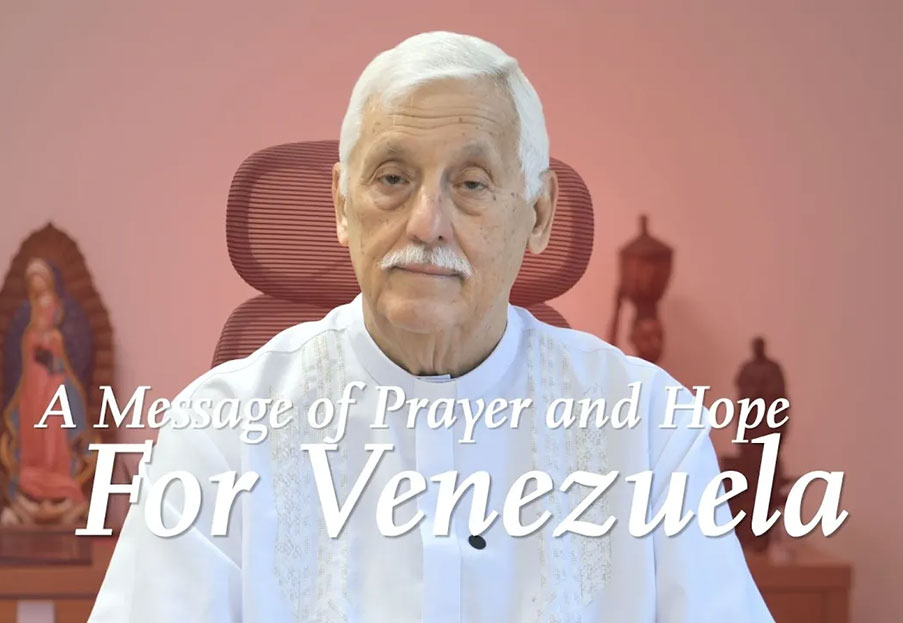
As Venezuela begins the difficult task of recovering after two strong earthquakes that claimed lives, left many missing and caused widespread destruction, Father General Arturo Sosa has sent a message of closeness and hope to the Venezuelan people.
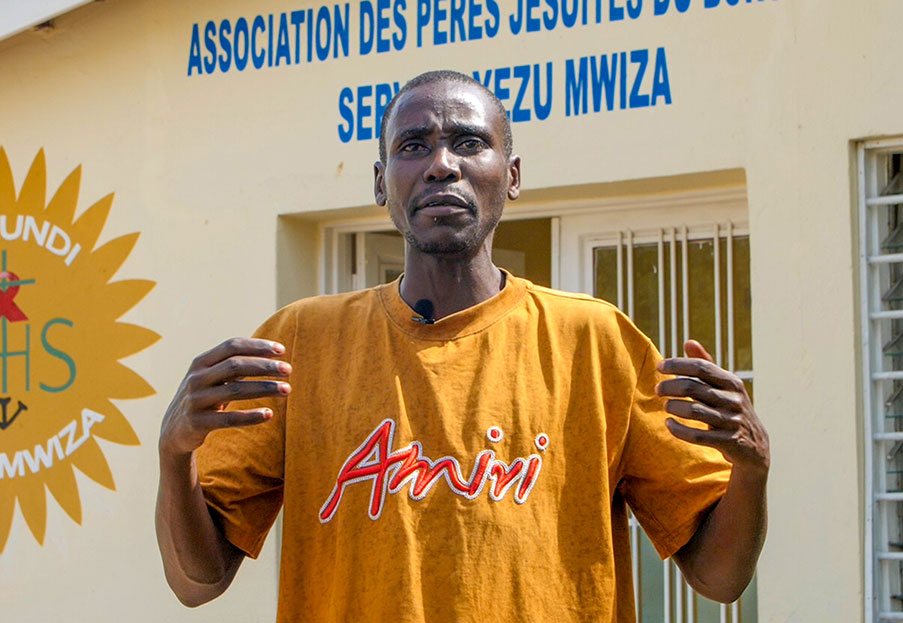
Service Yezu Mwiza (SYM) is a Christian, socio-medical organization dedicated to fighting HIV/AIDS, tuberculosis, and malaria, while promoting holistic healthcare and social justice. Founded in 2008, it operates as a prominent reference centre under the care of the Jesuits in Burundi...
As the Society of Jesus prepares for the II Congress JESEDU-Montreal 2027, a global process of review, discernment, and foresight is now underway. This initiative seeks to evaluate how the shared vision for Jesuit education has been implemented across the worldwide network of...