Reshaping the Church for Today’s World
The Second Session of the 16th Ordinary General Assembly of the Synod of Bishops represents a significant moment in the history of the Church. Among the Jesuit participants at the Synod is Fr Agbonkhianmeghe Orobator, SJ, who took some time to share his experience of the month-long event.
Fr Orobator describes the Synodal process as a “remodeling” of the Church, inviting reflection, listening and a collaborative spirit. He likens it to a structure undergoing renovation. Just as craftsmen and artisans – architects, welders and carpenters – work together to reshape a building, so too does the Church engage its members with their gifts and talents in this remodeling effort. The aim is not necessarily to build something entirely new, but rather to fashion a Church that more closely reflects God’s vision.
As an African, Fr Orobator says synodality calls the Church within the continent to be more attentive to its pressing issues, by fostering a Church that listens and responds to the needs of the heterogenous context. “What is the Spirit trying to teach us as a Church in these contexts where people live and work out their lives in Africa?” he asks.
Fr Orobator notes that the penitential moment which preceded the start of the Second Session of the Synod was significant as it was a moment of humility and a powerful reminder of the Church’s fragility. He insists that a listening Church has to also recognize Her failures in order to be open, vulnerable and willing to grow.
In his role as the Dean of the Jesuit School of
Theology in Berkeley, USA, Fr Orobator highlights that the synodal process must
continue beyond the synod, engaging theologians, practitioners, and everyday
parishioners in an ongoing conversation. He notes that there are still pressing
questions that have to be confronted, and the way these are addressed will
shape the future of the Church. All of these, he hopes, will contribute to
making the Church a “big tent” where all voices are welcomed and heard.
Related Posts:

Sr Nathalie Becquart, the undersecretary of the Synod of Bishops discusses how to accompany dioceses or local church communities in implementing a synodal process, based on experiences from the Secretariat General of the Synod. She emphasizes two foundational principles...

Fr Joseph Xavier, SJ, a Jesuit priest from Madurai, India, shares his involvement with the Conference of Catholic Bishops of India (CCBI), which oversees 132 dioceses. Over the past few years, he has facilitated a spiritual discernment process across 14 regions, engaging bishops, clergy...
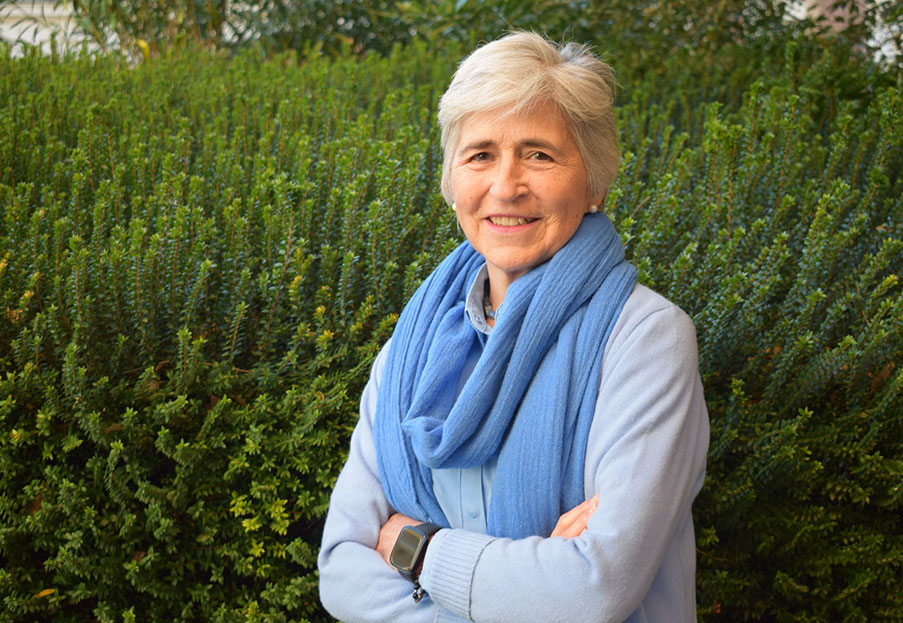
In this interview, María Lía Zervino offers an insightful reading of the present and future of the Church, drawing on her clarity of thought and extensive ecclesial experience, placing synodality, mission and the co-responsibility of women in dialogue with one another...
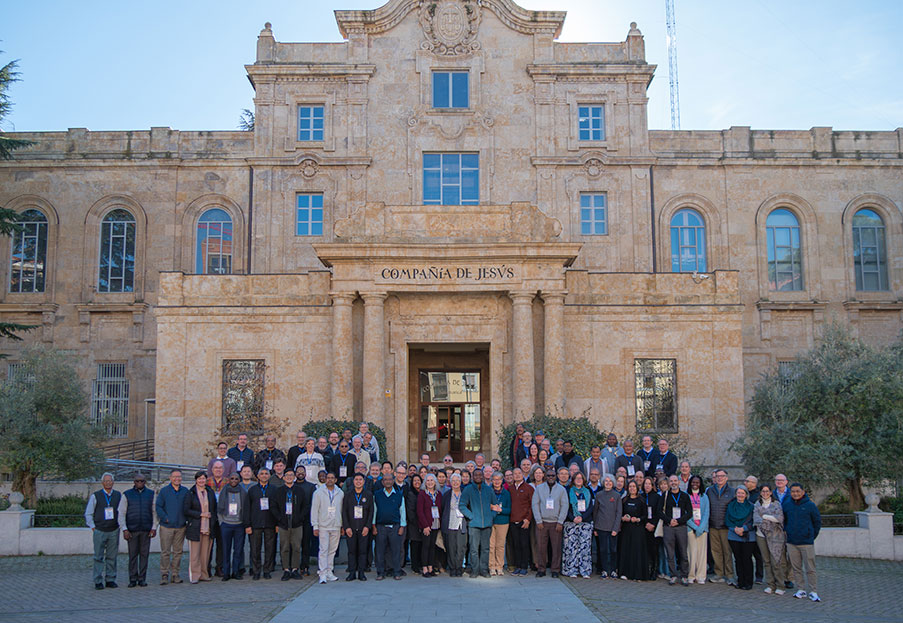
After nine days in Salamanca, nearly 100 facilitators of discernment processes concluded the inaugural “Ignite the Way” meeting on 3 December. Participants – Jesuits, diocesan priests, religious women, and lay people from across the globe – are now preparing to bring their experience home...
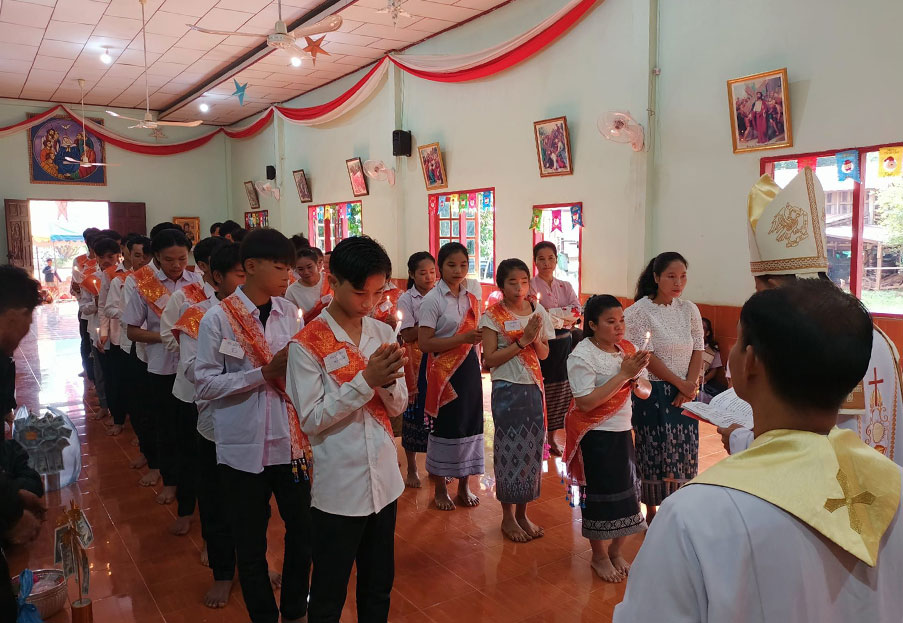
Laos, a nation situated in the heart of Southeast Asia, is a land of rolling hills, pristine forests, and the Mekong River, which flows through its entire territory and serves as a symbol deeply intertwined with the local culture...

The Jubilee Year of Hope offers the Church a sacred time for renewal, reconciliation, and revival. On June 25, the Church sets aside a special moment for the Jubilee of Priests to honor and to celebrate the sacred calling of presbyters in their ministry to the faithful...