Where Living Water Flows: Jharna Spirituality Centre and the Formation of Jesuit Identity
By Ignatius Tete, SJ | Socius to the Novice Master, Ranchi
A Centre Born from Thirst
When Jharna Spirituality Centre in Ranchi Province opened on 13 September 2008, it answered a deep longing. Thousands have since crossed its threshold seeking spiritual renewal – Jesuits primarily, but also priests, religious sisters and brothers, and laypeople hungry for authentic encounter with God. The name itself, “Jharna”, captures this longing. In Hindi, it means spring or waterfall, evoking the image of water bursting forth to refresh parched land.
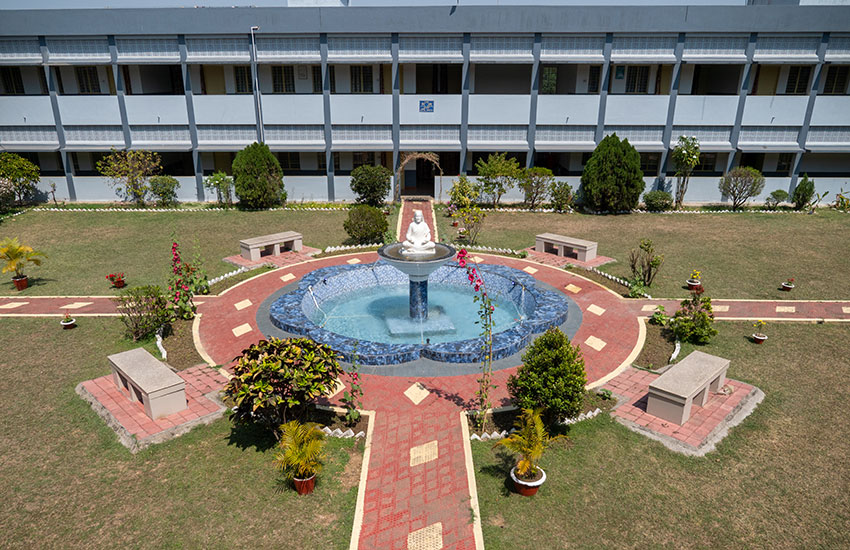
The Centre’s design embodies its spiritual purpose. Four wings surround an open courtyard where a fountain stands at the intersection of four pathways arranged as a cross. This central fountain isn’t mere decoration – it’s the beating heart of Jharna’s identity and mission.
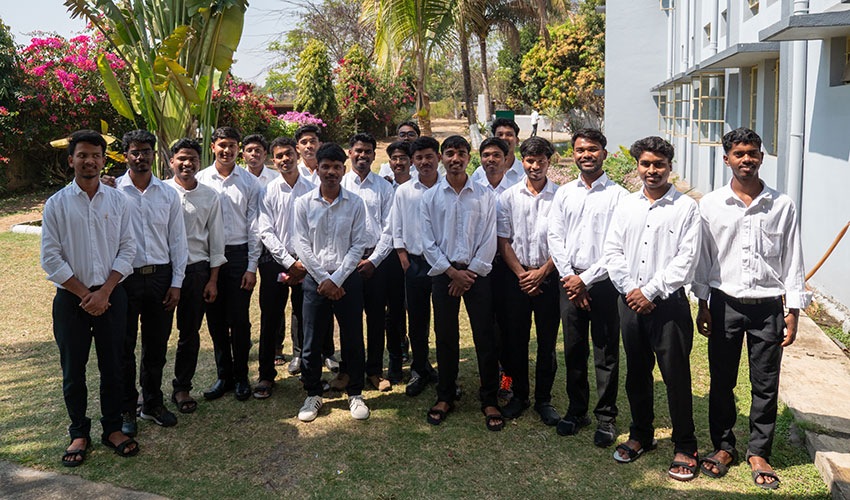
One wing shelters the Jesuit Novitiate, christened Ashirvad (Blessing). Though architecturally distinct, it remains connected to the broader Centre, creating a single community of novices and staff. This integration reflects a conviction: Jharna and Ashirvad bless each other, and together become channels of God’s blessing for the Ranchi Province, the worldwide Society of Jesus, and the Church in this region.
Water as Metaphor, Water as Reality
Why call a spirituality centre a spring? Because water carries profound spiritual meaning. The prophet Jeremiah heard God lament that people had “forsaken me, the fountain of living water” (Jer 2:13). Jesus himself promised the Samaritan woman that whoever drinks the water he gives “will never be thirsty. The water I give them will become in them a spring of water welling up to eternal life” (Jn 4:14).
John’s Gospel layers meaning upon this living water. It signifies fresh, flowing water contrasted with stagnant pools. It represents divine wisdom breaking into human experience. Ultimately, it points to the Holy Spirit, whom Jesus promised would flow from believers’ hearts (Jn 7:38).
This living water accomplishes what human effort cannot – it purifies, heals, and satisfies our deepest longing for God. Genuine spirituality, then, isn’t abstract theory but lived experience: becoming whole, becoming holy, becoming oriented toward God’s dream for creation. St Ignatius structured his Spiritual Exercises around this transformative journey – purification of heart, illumination of mind, union with God’s will, and liberation for mission. Jharna exists to guide people through this process, helping them discover reconciliation and the Spirit’s life-giving presence.
Reading the Fountain’s Language
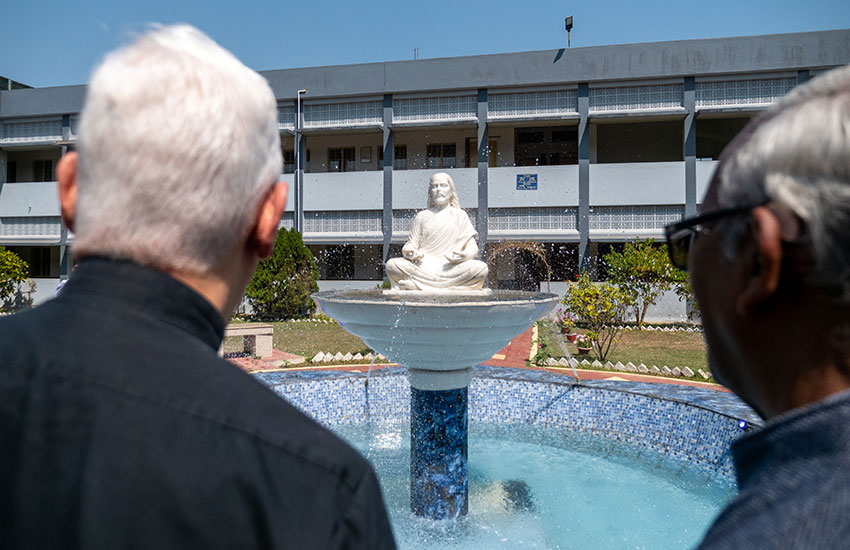
Step into Jharna’s courtyard and you encounter a fountain designed as a seven-petaled flower. At the sculpture’s centre, a cup holds a bronze figure of Jesus seated in contemplation. Water cycles continuously through the system. Seven streams cascade onto the statue while three spotlights illuminate Jesus from different angles.
Every element speaks, though different traditions hear different messages. For tribal communities familiar with the dandakatta ceremony, the seven semicircular petals honor God as Creator and Guardian of the world’s seven directions. For those steeped in Indian spirituality, Jesus resembles a sage on a lotus throne – that ancient symbol bridging earth and heaven – inviting seekers to contemplate existence’s deepest questions.
Christians versed in Scripture see baptismal imagery and salvation history flowing through water. The seven streams suggest the Spirit’s sevenfold gifts that descended upon Jesus at his baptism. The seven petals evoke the seven sacraments through which the Spirit continues working in Christ’s Body, the Church.
Ignatian symbolism emerges too. The contemplative posture of Jesus mirrors St Ignatius beside the Cardoner River, where he received transformative illumination about God’s ways. The three lights converging on the Son hint at Trinitarian sending –the Father and Spirit commissioning Jesus for the world’s salvation. From the eastern terrace during liturgy, the fountain even resembles a monstrance holding the Eucharistic host, inviting wordless adoration.
Mission Crystallized
Over nearly two decades, Jharna has refined its purpose. The Centre aspires to be precisely what its name suggests – a spring of living water for Jesuits and all seekers, deepening their grasp of Ignatian spirituality. Fidelity to the Spiritual Exercises and Constitutions shapes every program. The goal remains constant: helping people discover God’s presence through prayerful discernment, learning to praise, reverence, and serve God while finding the Divine in all created things.
This isn’t intellectual exercise but transformative encounter. Through personal experience of God’s love, retreatants gain freedom from disordered attachments. They discover integration – spiritual vitality flowing into emotional maturity and psychological health. They leave not just informed but transformed, ready to carry living water back into their daily lives.
From Promise to Practice
Jharna’s impact exceeded initial expectations. Within the first six weeks, 177 people participated in retreats and days of recollection. Dedicated leadership and skilled facilitators quickly established Jharna’s reputation as North India’s premier centre for Ignatian formation.
The Centre diversified beyond classic eight-day or thirty-day Spiritual Exercises. Programs now include psycho-spiritual healing workshops, seminars addressing social and cultural issues, counselling for married couples and young people, and collaboration with Jesuit schools and parishes across the region. Some years have seen nearly a thousand participants pass through Jharna’s programs annually.
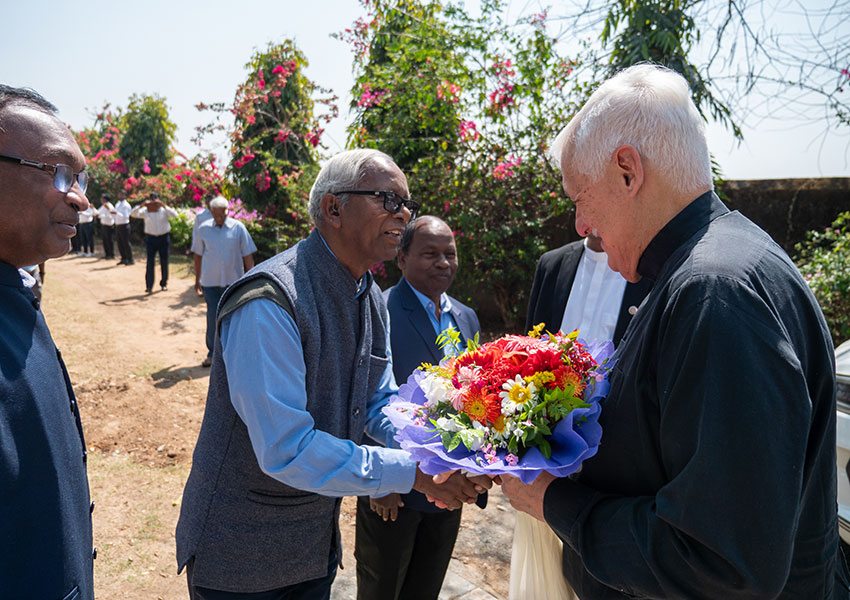
One recent milestone stands out: an Ignatian retreat specifically designed for diocesan priests, attended even by their Archbishop. This unprecedented initiative received enthusiastic response, suggesting hunger for Ignatian spirituality extends far beyond Jesuit circles.
Clouds on the Horizon
Yet Jharna faces real threats to its vitality. Several experienced retreat directors have moved on, creating knowledge and skill gaps. The Centre struggles to find Jesuits with adequate training and availability to guide Ignatian retreats. Those who remain carry multiple responsibilities that drain creative energy and limit long-term planning.
Programs that once flourished have contracted. Lay formation initiatives – crucial for extending Jharna’s impact – receive less attention than before. Training programs for new retreat guides have stalled. These aren’t administrative inconveniences but existential questions: Will Jharna sustain its mission? Can the Province provide personnel and resources to keep this spring flowing?
Eighteen Years of Grace
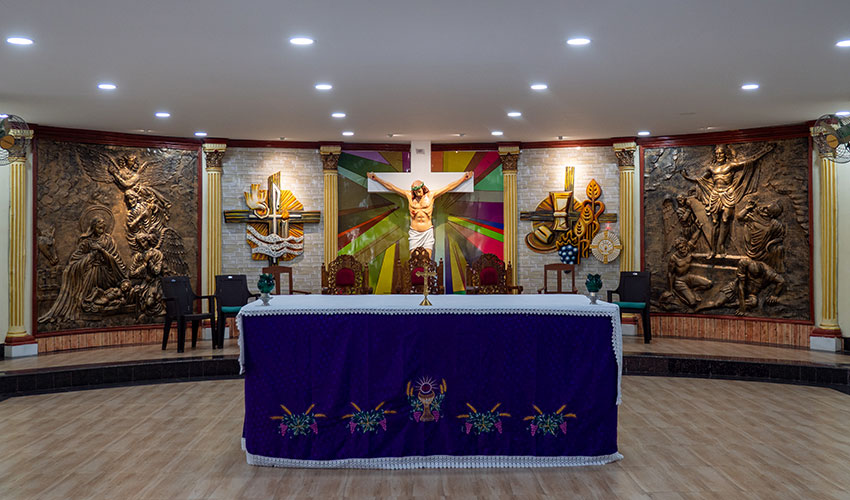
Despite challenges, Jharna’s contribution demands recognition. Its peaceful environment provides rare space for silence and reflection in a frenetic world. The physical campus has expanded – a new chapel and multipurpose hall enhance both worship and community gatherings. These additions haven’t just improved facilities; they’ve lifted spirits and strengthened participants’ sense that this place matters.
More importantly, Jharna continues forming Jesuit identity at its deepest level – not through lectures about Ignatian charism but through lived experience of the Spiritual Exercises. It offers clergy and religious communities a place to return to their roots. It opens Ignatian spirituality to laypeople who might never encounter it otherwise. In short, it remains what it was meant to be: a fountain of living water.
The path forward requires honest assessment and bold action. With adequate staffing, renewed training programs, and coordinated vision, Jharna can flourish for another generation. The invitation Jesus extended two millennia ago still echoes through this Centre: “Let anyone who is thirsty come to me and drink. Whoever believes in me, as Scripture has said, rivers of living water will flow from within them” (Jn 7:37-38).

Related Posts:
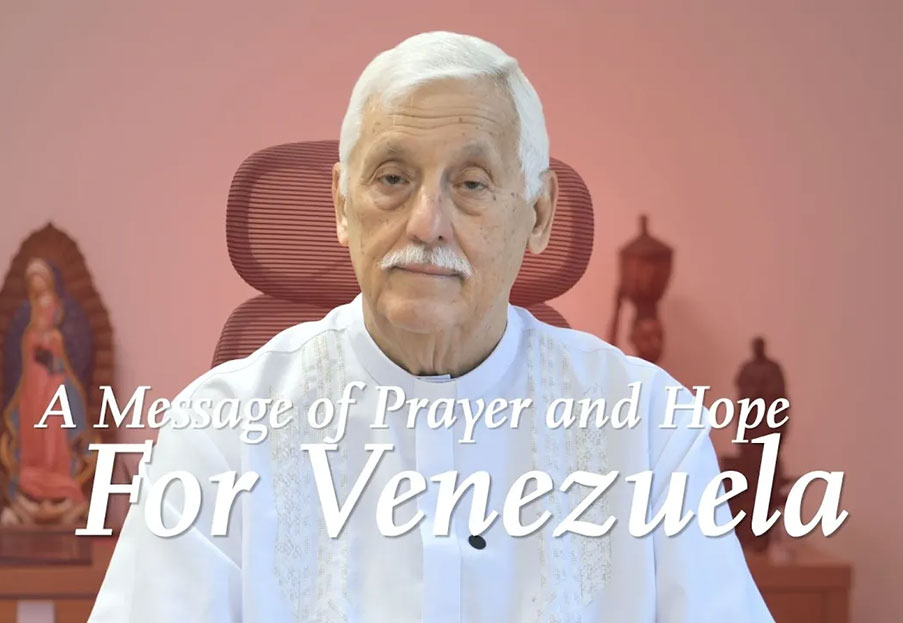
As Venezuela begins the difficult task of recovering after two strong earthquakes that claimed lives, left many missing and caused widespread destruction, Father General Arturo Sosa has sent a message of closeness and hope to the Venezuelan people.

As the Society of Jesus prepares for the II Congress JESEDU-Montreal 2027, a global process of review, discernment, and foresight is now underway. This initiative seeks to evaluate how the shared vision for Jesuit education has been implemented across the worldwide network of...

“Since the third Universal Apostolic Preference was given to us, I have spent time discerning how the General Curia can help to move it forward. I didn’t want to set up a heavy structure. I didn’t think a Secretariat here in the Curia was needed. In the end, I opted for a light network structure...”

The Enlarged Council brought together the Secretaries of the Apostolic Sectors, General Counsellors, General Treasurer, Presidents of Conferences, and other officials at the Curia to examine a central question: How to increase and deepen collaboration across apostolic...
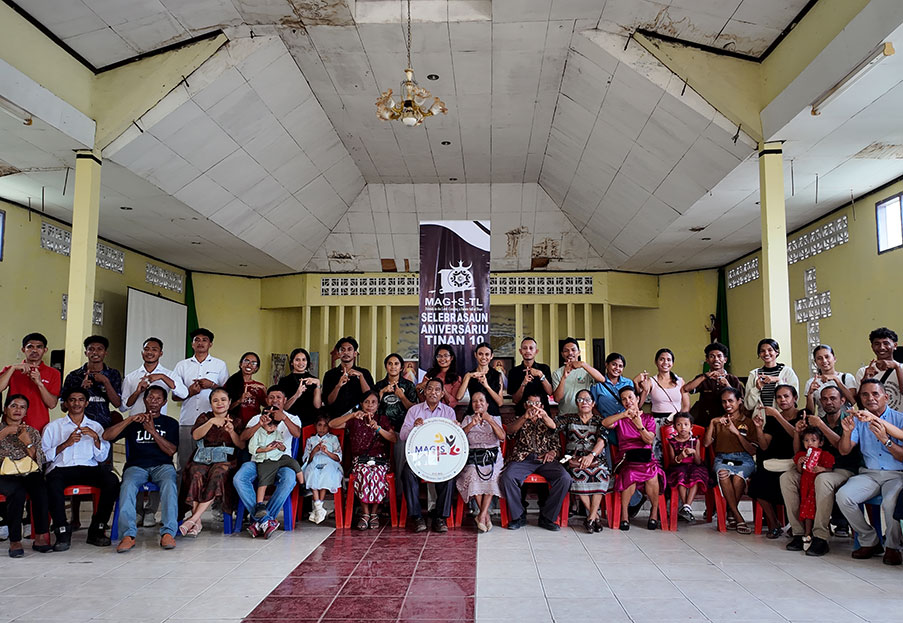
For ten years, MAG+S Timor-Leste has been quietly accompanying young people. In our small community shaped by friendship, prayer, and service, many young people have encountered the richness of Ignatian spirituality and discovered a deeper relationship with God...
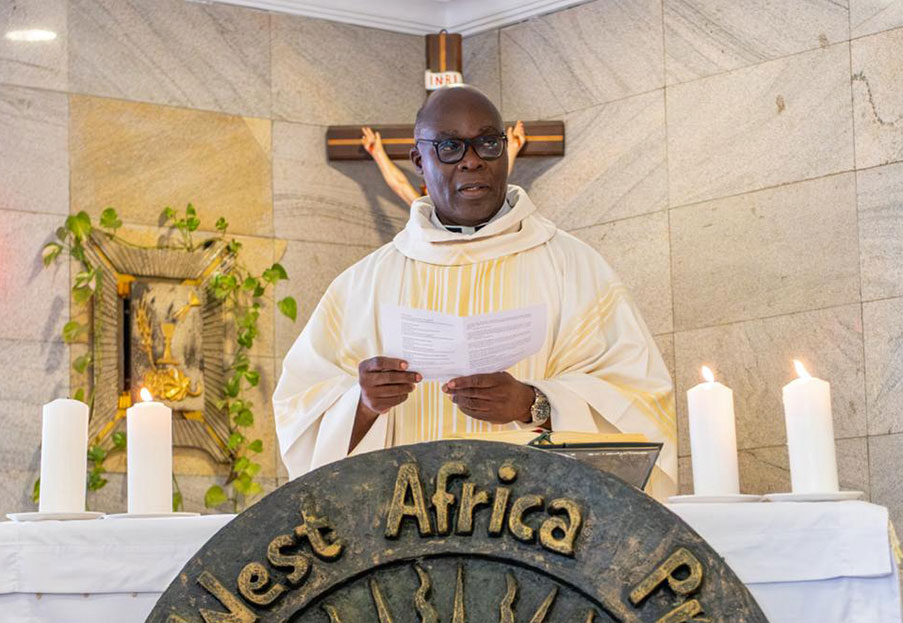
Father General Arturo Sosa has appointed Fr John Kobina Ghansah as the new Regional Assistant for Africa and Madagascar and General Counsellor. Fr Ghansah, currently Provincial of the North-West Africa Province (ANW), will assume his new role on 6 January 2027...