From Dreams Deferred to Doors Opened: A New Era Begins at St. Xavier’s College, Simdega
By Roshan Ba’a, SJ | Principal, St. Xavier’s College, Simdega
The Problem with Distance
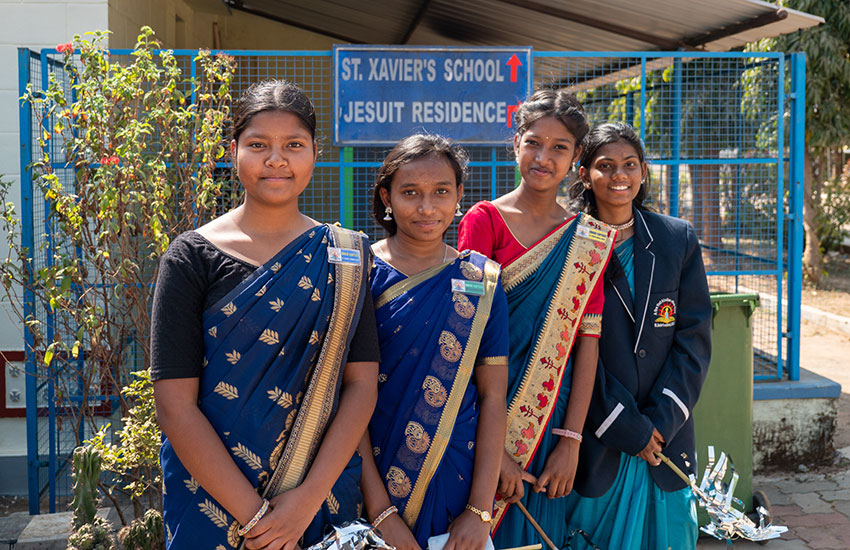
For generations, tribal youth in Simdega, Jharkhand, India, faced a cruel choice: abandon your education after Class 12, or leave your family behind and migrate to distant cities for college. Most chose the first option – not because they lacked talent or ambition, but because higher education simply wasn’t within reach.
The nearest colleges were hours away. Tuition, hostel fees, and living expenses crushed family budgets already strained by subsistence agriculture. Talented students who could have become doctors, teachers, engineers, or social workers instead became statistics – another generation trapped in cycles of limited opportunity.
This wasn’t an accident. It was the predictable outcome of structural neglect: geographical isolation, economic hardship, and decades of underinvestment in tribal regions. Primary schools had expanded, yes, but higher education remained a distant dream, something that happened elsewhere, to other people’s children.
On March 6, 2026, that reality changed.
A Building That Means Everything
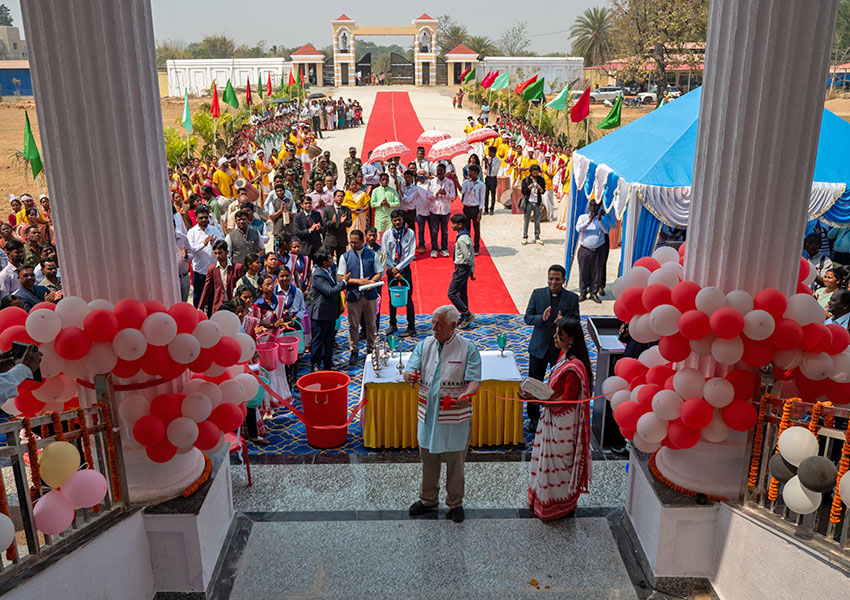
The inauguration of St. Xavier’s College’s new building in Simdega represents far more than bricks, classrooms, and laboratories. It’s a declaration: Quality higher education belongs here. Your children deserve the same opportunities as youth in Ranchi, Delhi, or Mumbai. Distance will no longer determine destiny.
Since its founding on 1 August 2016, St. Xavier’s College has operated with a clear mission rooted in Jesuit tradition: the “total and integral liberation of the human person”. Not just job training. Not just information transfer. Liberation – intellectual, social, economic, and spiritual.
The college serves youth across Chotanagpur, including Jharkhand, Odisha, and Chhattisgarh. Its students come from communities that India’s rapid development often bypasses – tribal villages where electricity is unreliable, internet access spotty, and career counselling non-existent. Yet these students arrive with raw talent, deep cultural wisdom, and hunger for knowledge that would shame more privileged peers.
The new building doubles down on a promise: we will meet your hunger with excellence.
What Modernization Actually Means
The buzzword “modernization” gets thrown around constantly in educational circles, usually meaning more computers and air-conditioned classrooms. But at St. Xavier’s, modernization means something deeper and more radical.
It means aligning with India’s New Education Policy 2020, which emphasizes multidisciplinary learning, flexibility, critical thinking, and skill development. It means preparing students not just for employment but for thoughtful citizenship in a complex, rapidly changing world.
It means state-of-the-art science labs where tribal students conduct real research addressing real problems in their communities – water quality, soil health, sustainable agriculture. It means literature and cultural studies that honour Adivasi languages and traditions alongside Shakespeare and Sanskrit. It means classrooms designed for collaborative learning, not rote memorization.
But here’s what makes St. Xavier’s approach distinctive: this modernization is anchored in values.
Technology with a Soul
Plenty of colleges chase the latest educational technology trends. Fewer ask: Technology for what purpose? Innovation toward what end?
Guided by Ignatian pedagogy, St. Xavier’s integrates reflection, experience, and action. Students don’t just consume information – they examine their assumptions, engage real-world challenges, and discern how to respond with integrity. Digital advancements are welcomed, but they’re tools serving a deeper formation, not ends in themselves.
The college promotes what it calls “learner-centred pedagogy” – treating students as active participants in knowledge creation rather than passive receptacles. Faculty mentor rather than merely lecture. Assignments connect abstract concepts to lived realities. Assessment measures growth, not just grades.
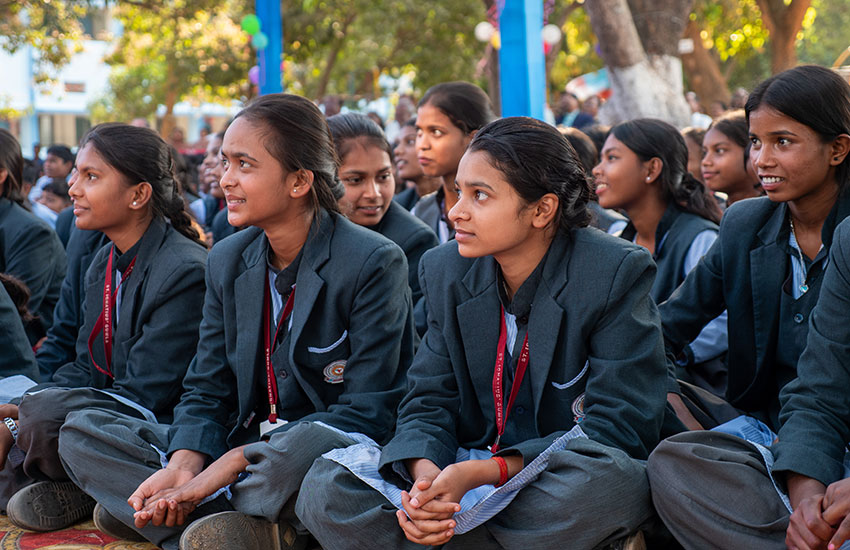
This approach is especially crucial for first-generation college students, many of whom arrive believing that education means memorizing what authorities tell you. St. Xavier’s challenges them to think critically, question constructively, and develop their own voices.
Who Gets Left Behind?
India’s economic growth has been remarkable, but wildly uneven. Urban areas boom while tribal regions languish. English-medium education opens doors while regional languages face stigma. Tech startups get celebrated while agricultural communities struggle.
The danger of modernization is that it accelerates these inequalities, creating ever-wider gaps between privileged and marginalized populations. The promise of modernization – when done right – is that it can be a great equalizer.
St. Xavier’s College in Simdega embodies that promise. By bringing quality higher education to a predominantly tribal region, it challenges the assumption that excellence requires urban settings. By integrating Adivasi cultural values with contemporary pedagogy, it proves that tradition and innovation aren’t opposites. By offering affordable, accessible education to students regardless of background, it makes merit rather than money the determining factor.
The college explicitly commits to what India’s Constitution demands: access, equity, quality, affordability, and accountability. Those aren’t just buzzwords. They’re operational principles shaping admissions, curriculum, faculty hiring, and resource allocation.
The Road Ahead
The new building inaugurated on 6 March 2026 doesn’t solve every challenge tribal youth face. Financial pressures persist. Cultural barriers to higher education – especially for women – remain strong in many communities. The job market doesn’t always reward graduates fairly, particularly those from tribal backgrounds.
But the building represents something irreversible: institutional commitment. The Jesuits aren’t experimenting with tribal education to see if it works. They’re investing in infrastructure, faculty, and programs because they believe tribal youth deserve the best, not the bare minimum.
Every classroom in that new building declares: You belong in higher education. Your intellect matters. Your questions are valuable. Your future is wide open.
For a tribal student in Simdega who no longer has to choose between education and family, between opportunity and home, that message changes everything.
Building a Just Society
Education is often called the great equalizer, but it only equalizes when it reaches everyone. For too long, geography, economics, and systemic neglect have rationed higher education – reserving quality for the privileged while offering scraps to the marginalized.
The new St. Xavier’s College building challenges that arrangement. It insists that tribal regions deserve the same educational infrastructure as urban centres. That Adivasi students should have laboratories, libraries, and learning spaces matching any college in the country. That excellence and inclusion aren’t competing values but interdependent ones.
Rooted in Ignatian spirituality and committed to the holistic development of students – intellectual, emotional, social, ethical – the college aims to form not just graduates but change-makers. People who will return to their communities not to escape them. Leaders who understand both traditional wisdom and contemporary challenges. Citizens equipped to build the just, enlightened society India aspires to become.
On 6 March 2026, as the new building was inaugurated, it became more than a college facility. It became a promise kept, a future claimed, and a statement of faith in the potential of tribal youth.
Let them shine. Let them burn. And watch what happens when education finally reaches those who’ve been waiting longest for their turn.
Father General Visits Ranchi Jesuit Province, Boosting Education in Jharkhand’s Christian Heartlands
Continuing his visit to the Ranchi Jesuit Province, Father General Arturo Sosa made time to tour key educational institutions in Gumla and Simdega – two districts in Jharkhand with the state’s highest Christian populations, thanks to pioneering missionary work by Belgian Jesuits since the early 20th century.
These institutions shine for their holistic education, blending academic excellence with extracurriculars like sports and athletics. Notably, their programs have produced national and international stars, including athletes who have won medals at events like the Asian Games and National Games including several tribal hockey players representing India.
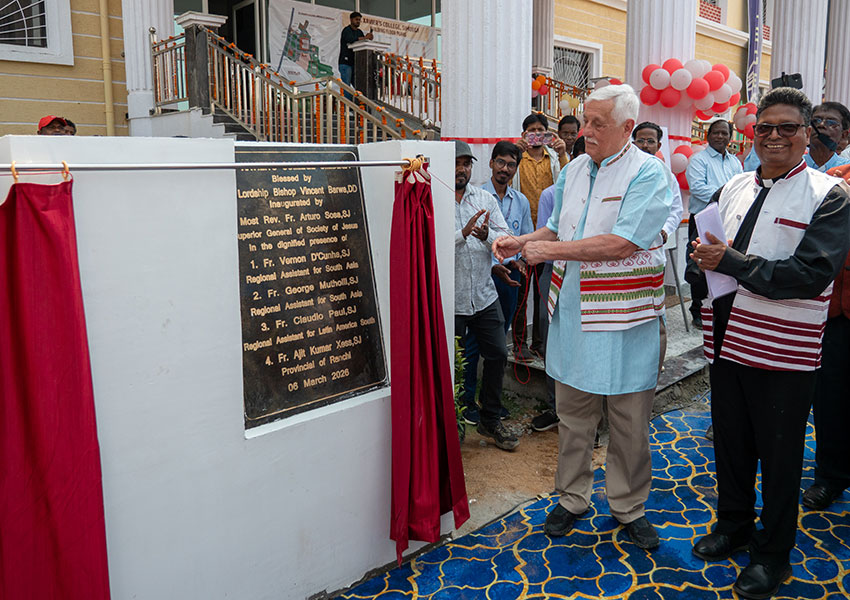
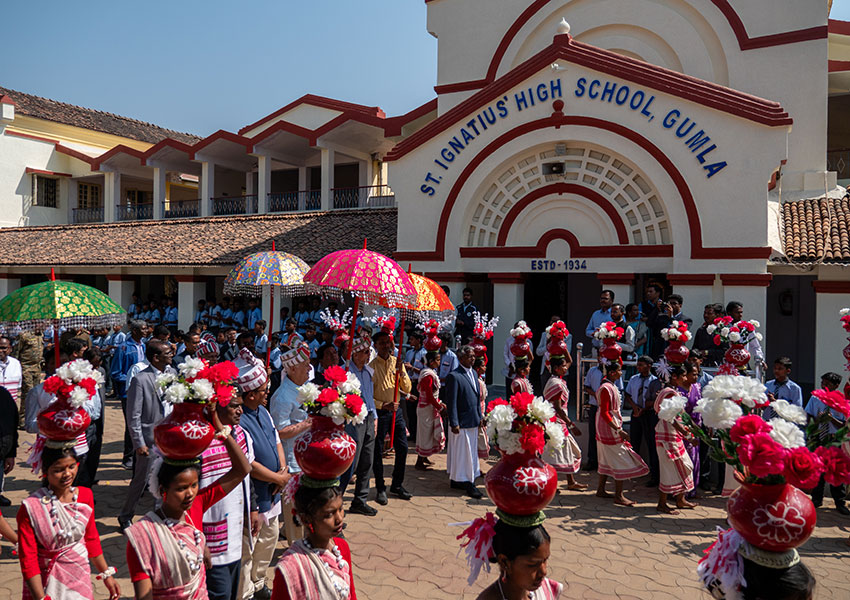
At St. Xavier’s School, Gumla, Fr General inaugurated a state-of-the-art English-medium school wing on March 5. In a lively interaction with students, he emphasized the value of a disciplined life, urging them to cultivate habits of prayer, study, and service rooted in Jesuit values.
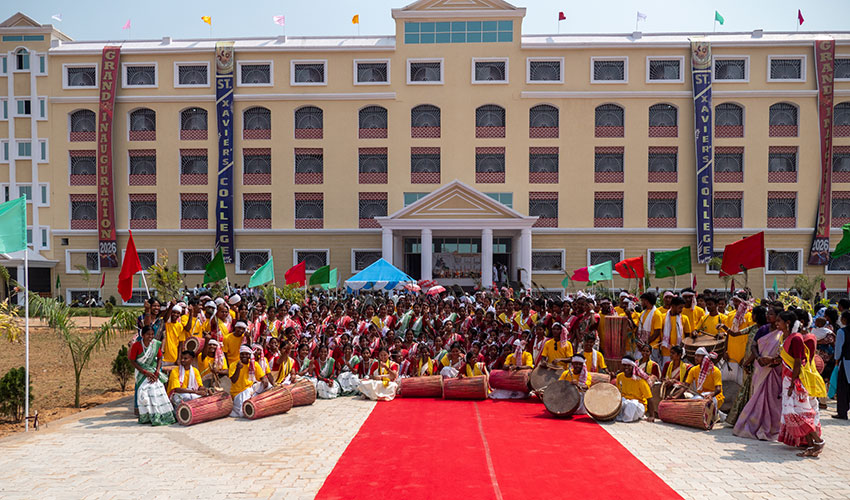
The following day, 6 March, in Simdega, Fr General inaugurated a new multi-story building at St. Xavier’s College. The event featured a vibrant cultural program showcasing the story of Mahabharatha by students. This expansion introduces science courses alongside existing arts and commerce programs, enabling over 2,000 students annually to pursue higher education, marking a major step forward for local youth in a region with limited higher-education access.
This visit signals exciting growth for the Ranchi Jesuit Province, reinforcing its mission to empower marginalized communities through quality education and holistic development.

Related Posts:
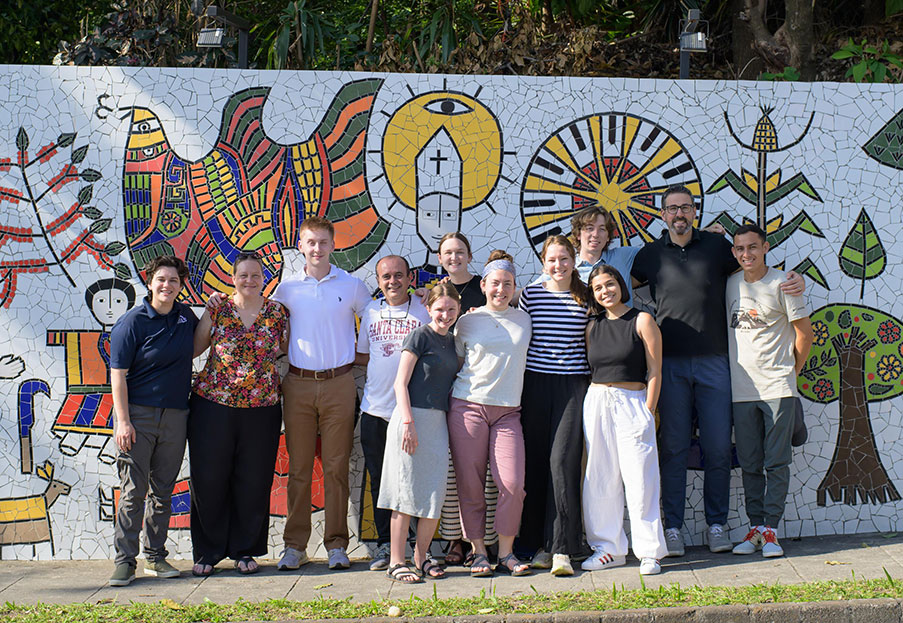
Launched at the 2018 IAJU Assembly, Magis Exchange offers students the chance to study across borders, cultures and academic contexts. It is more than an academic mobility program: it embodies a shared commitment to forming young people ready to engage thoughtfully...

Excitement is building for MAGIS Korea 2027, the international gathering that will bring young people from across the Ignatian family to Korea ahead of World Youth Day in Seoul. A recent online information session, led by Fr Hakjoon Lorenzo, SJ, General coordinator of MAGIS Korea...
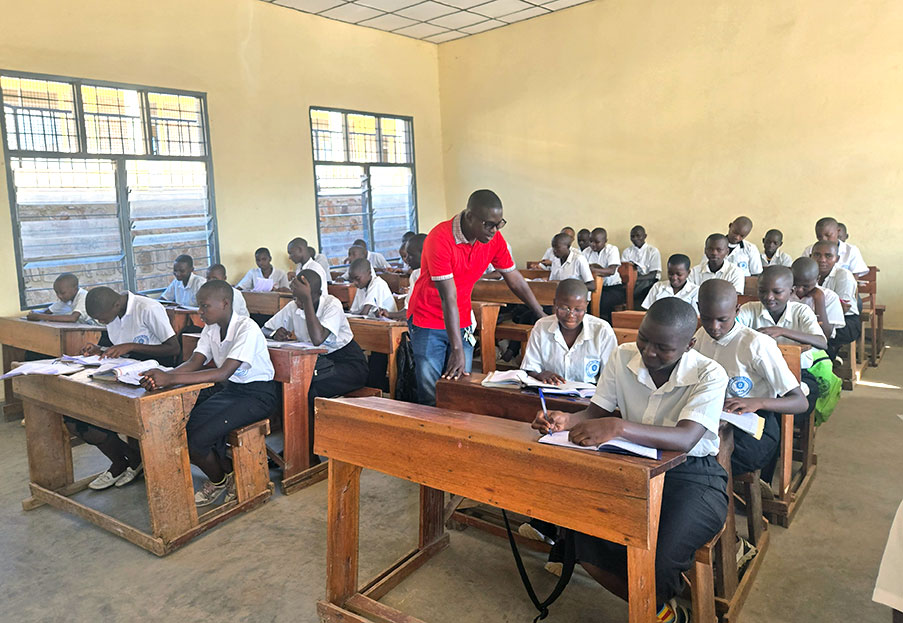
École Fondamentale Saint Louis de Gonzague was built to give every child space to be included, to live and learn alongside others, and to recognize their dignity as human beings. When the Jesuits founded the school in September 2004, in a region greatly affected by...
As Venezuela begins the difficult task of recovering after two strong earthquakes that claimed lives, left many missing and caused widespread destruction, Father General Arturo Sosa has sent a message of closeness and hope to the Venezuelan people.
As the Society of Jesus prepares for the II Congress JESEDU-Montreal 2027, a global process of review, discernment, and foresight is now underway. This initiative seeks to evaluate how the shared vision for Jesuit education has been implemented across the worldwide network of...

“Since the third Universal Apostolic Preference was given to us, I have spent time discerning how the General Curia can help to move it forward. I didn’t want to set up a heavy structure. I didn’t think a Secretariat here in the Curia was needed. In the end, I opted for a light network structure...”