Subsidiarity: Leading to Strength
The Meeting of Major Superiors 2025
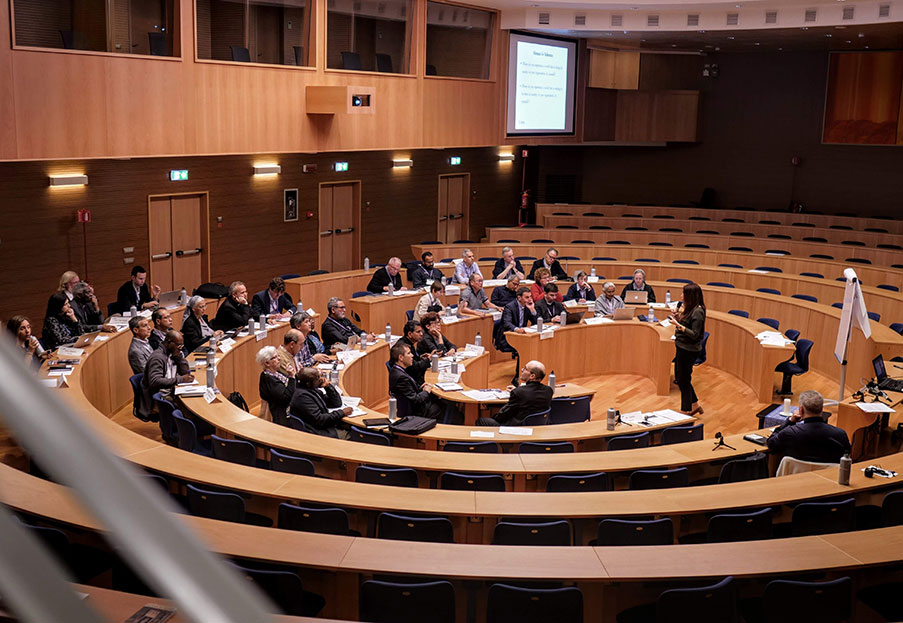
With the Meeting of Major Superiors coming in October, we’ve spent time explaining the role of a Major Superior. Nestled into that explanation of how the Society of Jesus governs itself is the idea of “Subsidiarity”.
Subsidiarity comes from Catholic social teaching, but it is very much connected to the Society of Jesus. The principle was shaped in part by Jesuit theologians like Gustav Gundlach and Oswald von Nell-Breuning, who helped draft Pope Pius XI’s 1931 encyclical Quadragesimo Anno which formalized subsidiarity within Catholic doctrine.
At the core of subsidiarity is the belief that decisions are best made at the most local level that is capable of effectively addressing a challenge or opportunity. While this sounds like the “local leaders made the best decisions” principle that is popular in politics, Jesuit subsidiarity isn’t just about decentralization of governance. For Jesuits, subsidiarity is not only administrative but also theological and spiritual, grounded in the belief that each person is endowed with reason, conscience, and agency, as well as a lifetime of training in discernment of spirits. Acknowledging this, individuals and communities are entrusted not only with the decision of what is most beneficial, efficient or expedient, but also with what is best in line with the greater good of the Church and Society of Jesus.
In Jesuit institutions – schools, universities, and social apostolates – subsidiarity fosters a culture of empowerment. Faculty, students, and staff are encouraged to take initiative and discern how best to respond to local needs and challenges. This avoids a top-down model of governance and emphasizes participation and shared mission. The Jesuit commitment to cura personalis, or care for the whole person, reinforces this model by recognizing the unique dignity and capacity of every individual to contribute meaningfully to the common good.
Subsidiarity also plays a vital role in Jesuit social justice work. Rather than imposing solutions from above, subsidiarity calls for the empowerment of local communities to articulate their own needs and craft their own responses. This approach aligns with Ignatian discernment, which values reflection, dialogue, and responsiveness to context. In this way, subsidiarity becomes an expression of the most closely held tenets of Jesuit spirituality.
The global structure of the Society of Jesus further reflects subsidiarity. While guided by a Superior General and regional leadership, Jesuit Provinces and apostolic works operate with considerable autonomy, allowing them to tailor their ministries to local realities. This decentralized structure reflects the belief that mission is most effectively carried out when local leaders have the freedom and responsibility to discern and act in line with the Society’s broader values and priorities.
In sum, Jesuit subsidiarity is both a practical and spiritual principle. It trusts individuals and communities to act responsibly while fostering collaboration and accountability within a broader mission. Grounded in Ignatian spirituality and Catholic social teaching, it encourages a respectful and empowering way of proceeding – one that upholds dignity, promotes justice, and builds inclusive communities through shared responsibility.
It is that subsidiarity that power the Meeting of Major Superiors. Please pray for all of us.

Related Posts:
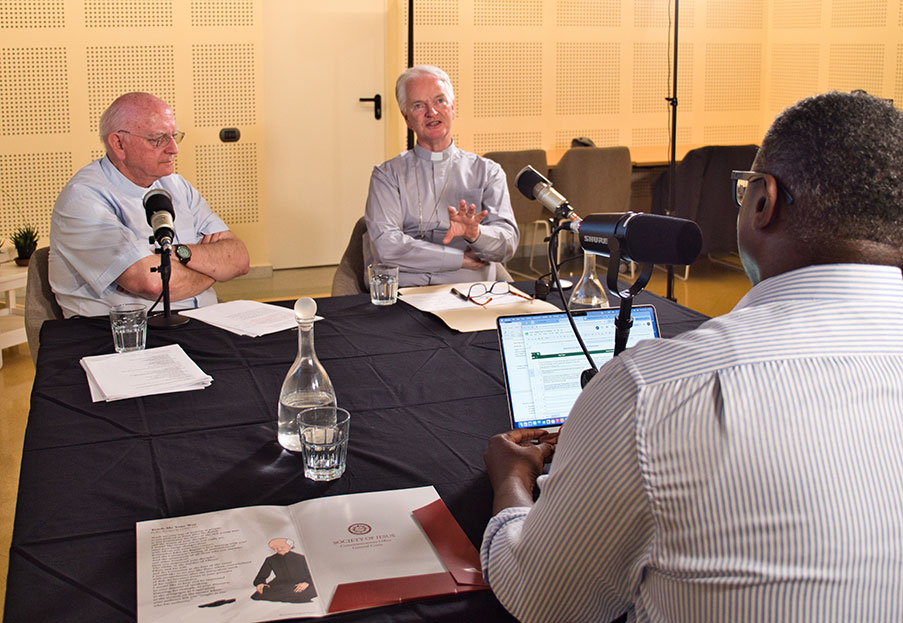
The General Curia of the Society of Jesus launches its brand-new Webinars’ Calendar. After being in pilot mode for the last two years, these meetings have proved to be incredibly useful, with sometimes up to 600 people taking part from all around the globe. The idea is to provide ongoing formation...
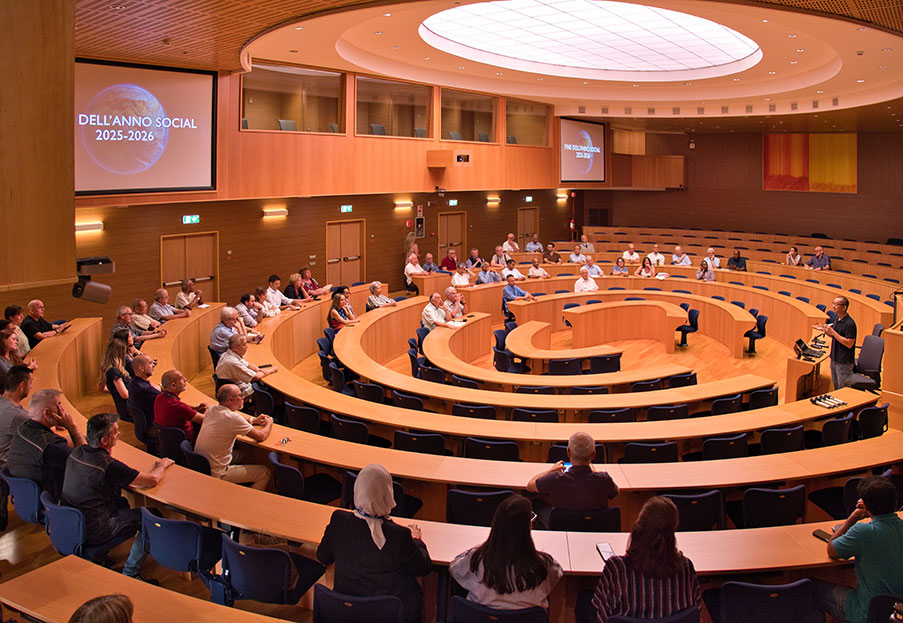
The General Curia concluded its social year with a gathering in the Aula on 19 June that brought together the Jesuit members of the Curia community and the lay collaborators that jointly sustain its administrative operations...

The Enlarged Council brought together the Secretaries of the Apostolic Sectors, General Counsellors, General Treasurer, Presidents of Conferences, and other officials at the Curia to examine a central question: How to increase and deepen collaboration across apostolic...
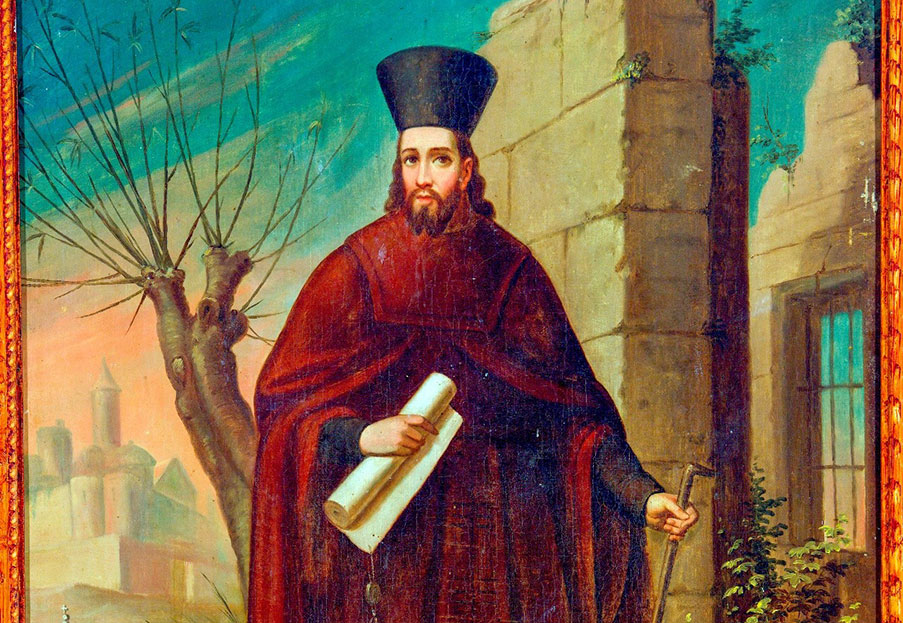
On 5 June 1546, Paul III signed the brief “Exponi nobis”, which addressed how men who did not belong to the original group of highly qualified priests of the Society could nonetheless belong to it and serve its mission. The brief did so by establishing the grade of coadjutor...

Four hundred and eighty-four years ago, the Apostle of Asia stepped ashore in Portuguese India – marking both the end of a long formation and the beginning of a ministry that would span a continent. The arrival of St Francis Xavier (1506–1552) in Goa, India, on 6 May 1542 was at once a...

Superior General Arturo Sosa has convoked the 72nd Congregation of Procurators, bringing representatives from across the Society of Jesus to Indonesia in October 2027. The gathering will examine how the Society’s structures must be reshaped to carry its mission forward...